If you were to ask a fleet buyer which Renault Trafic to order, the answer would usually be the lowest cost one, that is what we need. Undoubtedly that is a perfectly OK answer, but not all fleets think like that, and many owner drivers certainly don't.
It is also a terrible way to buy a van you actually have to sit in for four years. That's why we're going to take a look at what is the best Renault Trafic to buy, right now.
We'll look at options for both the panel van, and the people mover version and give your our own view on why these are the models that make the most sense to buy in the Renault Trafic range.
Once you've decided what size of Renault Trafic van you need, using our dimensions guide, it's time to look at the various trims on offer in the range. Trim options include entry level Advance,Extra and Extra Sport but a new and top of the range Graphite Edition model was also launched in April this year.
The UK-only Graphite Edition now sits at the top of the panel van range and with a facelifted Trafic Passenger alongside it, the question of which Trafic to actually buy has got more interesting. We have been through the current model year price list, the brochures for panel vans and people movers, and then gone out and test driven the models. Here are the two versions that stand out.
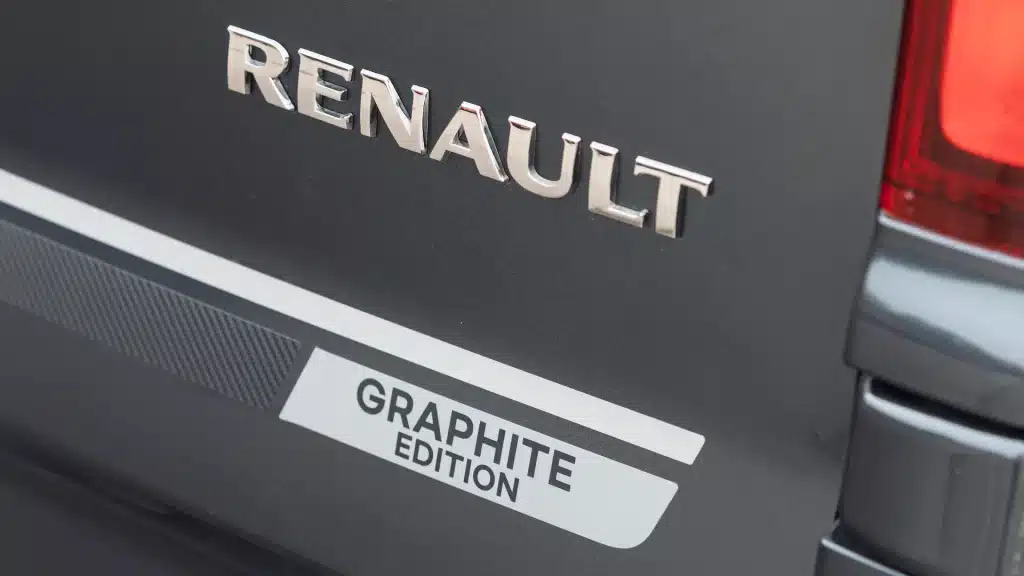
Renault Trafic van range includes three trim levels, starting with the entry-level Advance, mid-range Extra, and high-end Extra Sportand now a top of the range Graphite Edition.
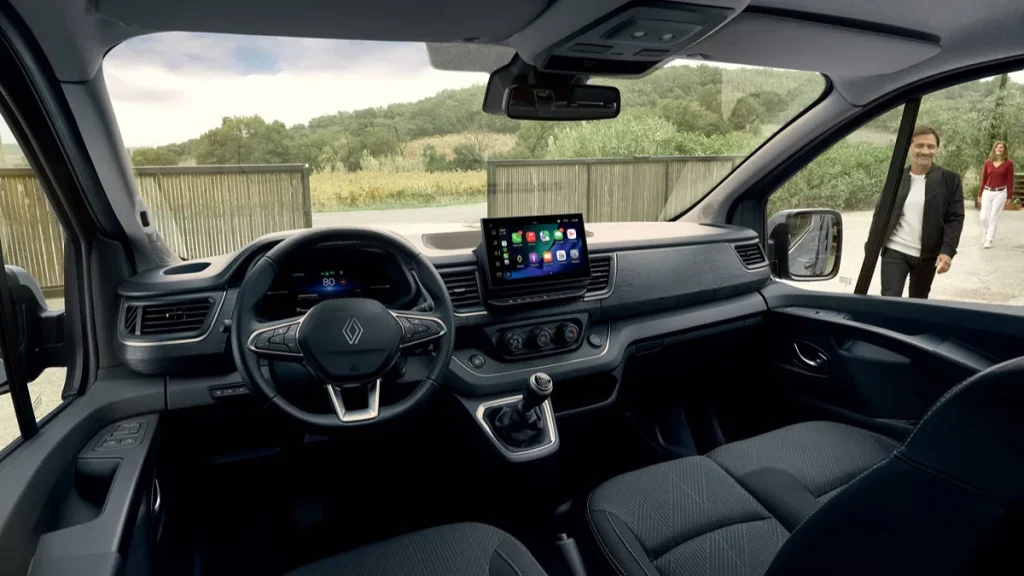
Advance trim sets the tone for the range with an eight-inch Easy Link touchscreen with DAB and Bluetooth, manual air conditioning, a load-through bulkhead and the passenger bench with its fold-out mobile office desk
Extra adds navigation, a rear parking camera, LED cabin lighting and the faux leather steering wheel.
Extra Sport piles on climate control, 360-degree parking sensors, the hands-free key card and 17-inch alloys with black inserts, from £34,550 excluding VAT.
Body-wise it is straightforward, with all trims available in either the L1H1, which gives 5.8 cubic metres and up to 1,222kg of payload, and L2H1, which stretches that to 7.8 cubic metres with a 4,150mm load length..
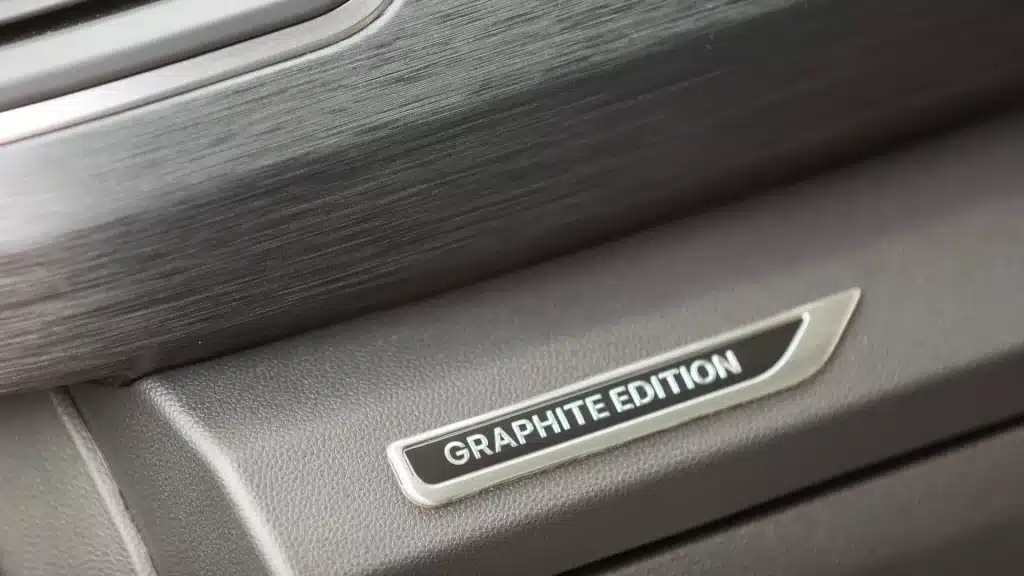
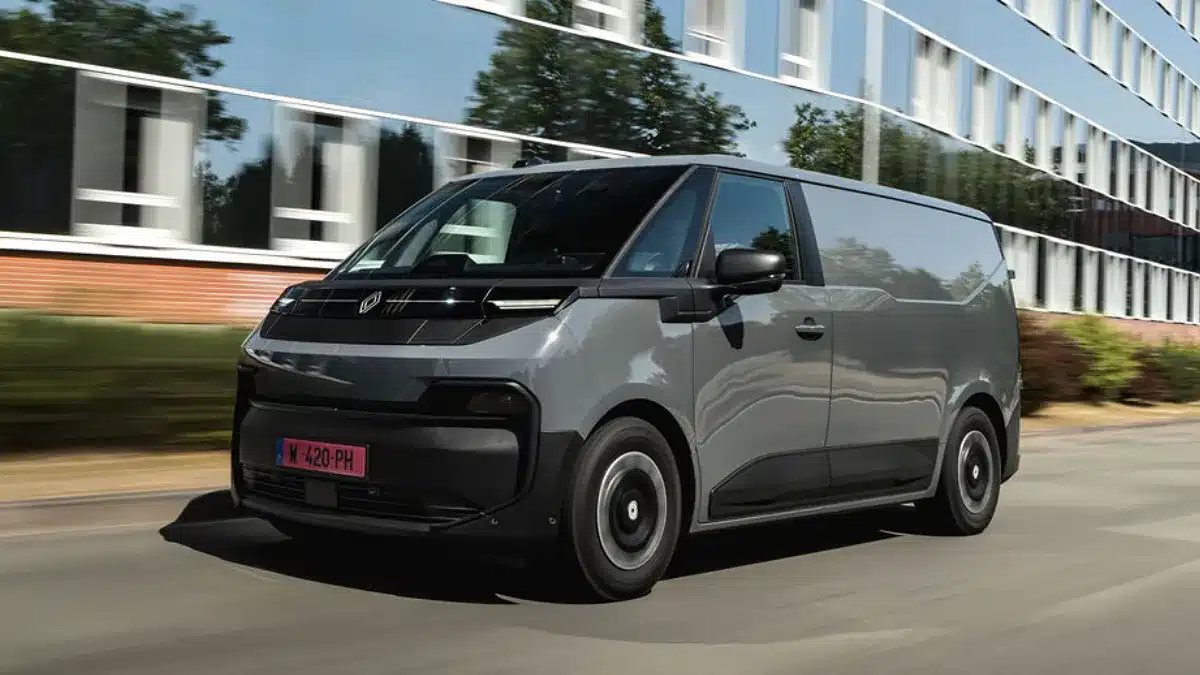
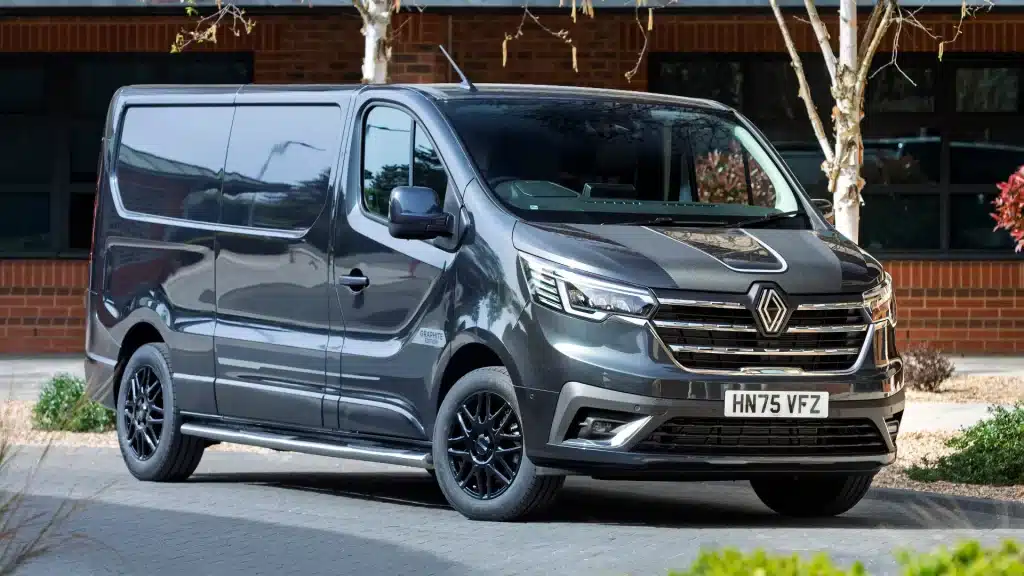
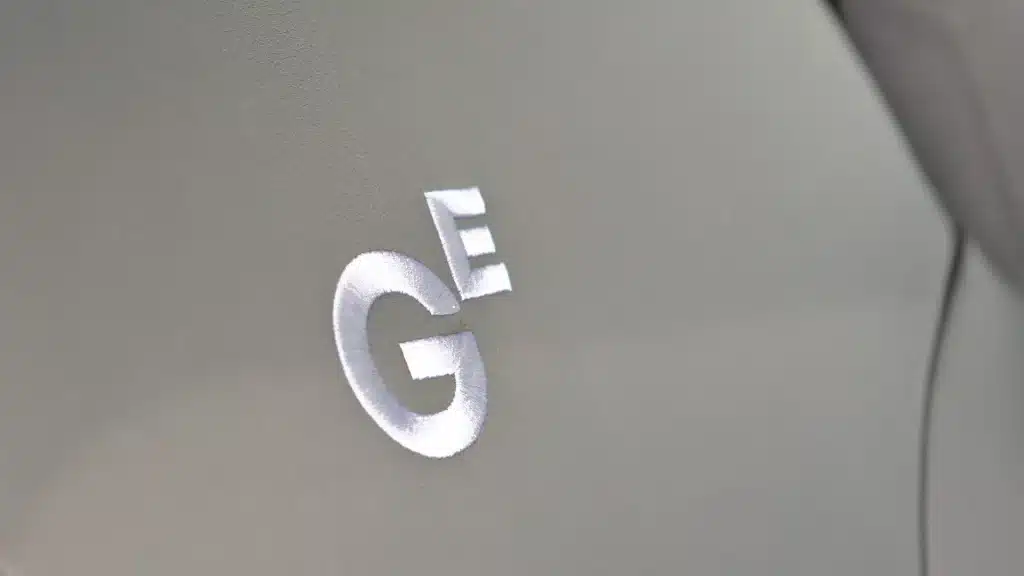
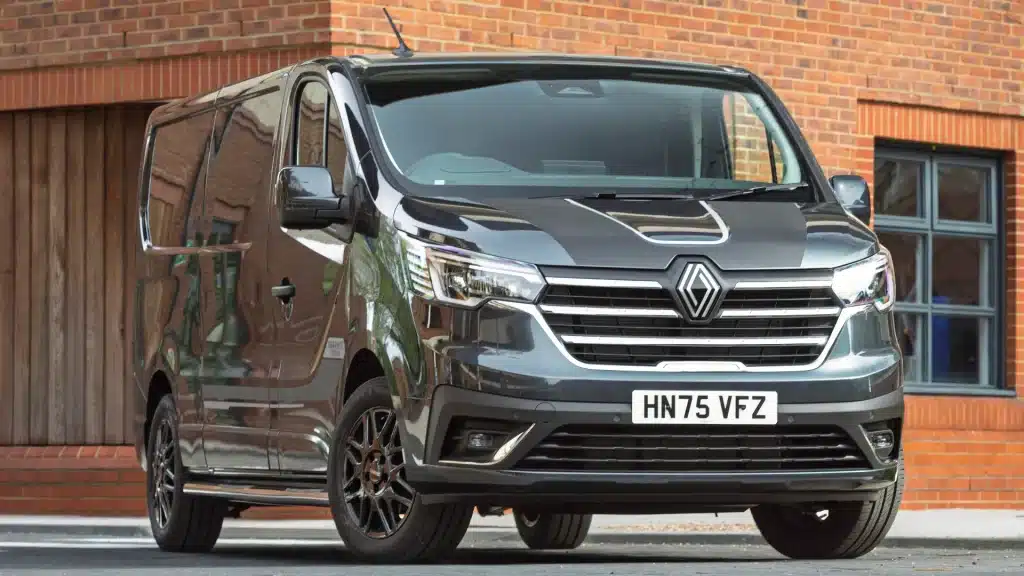
Then there's the Renault Trafic Graphite Edition. On paper the Graphite Edition adds all the cosmetic upgrades you'd want from a top-end van, with Slate Grey paint, gloss black 17-inch alloys, bonnet and side decals, a rear spoiler, chrome side steps and stitched faux leather seat covers with GE embroidery on the headrests.
From £2,950 more than the Extra Sport it is based on, with a start price from £37,500 (ex VAT) On the list of extras are two items that are not cosmetic at all. Adaptive cruise control and blind spot warning. Two invaluable standard additions to any panel van for keeping it and its driver out of harms way.
Then there is the added resale that comes from a special edition, such as the Graphite. The used mid-size van market is a wall of white ex-fleet metal, and a Slate Grey Trafic with black alloys and distinctive badging will not be one of forty identical vans on a page of classifieds in 2030.
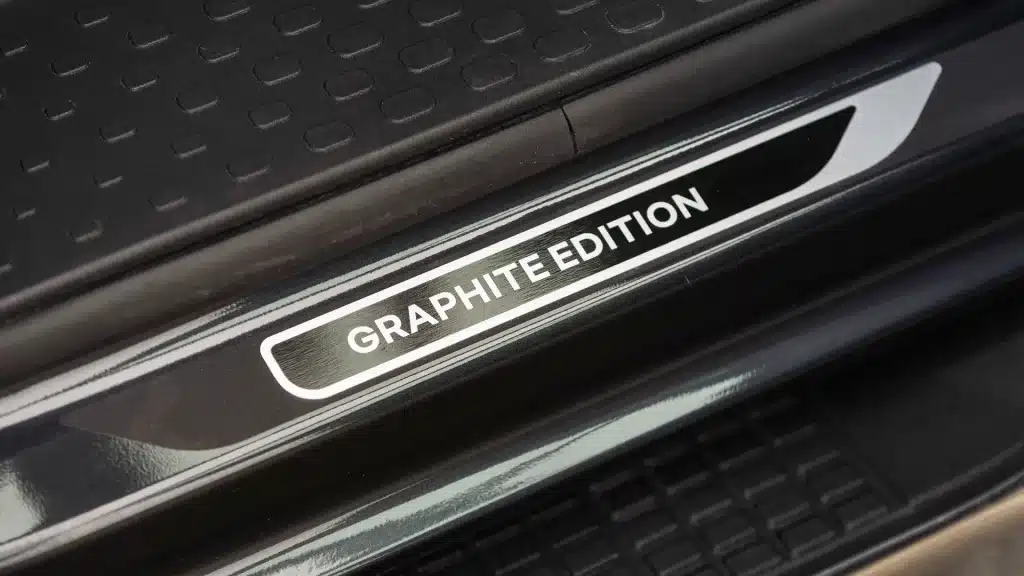
Renault Trafic Graphite Edition is available in four versions. There's the SL30 and LL30 body lengths, with either the Blue dCi 150 manual or the Blue dCi 170 9-speed automatic gearbox.
If you want the 130, then the Graphite Edition makes a strong case to be the one for you if you want to indulge in a sportier, more dinstinctive model.
If you want a panel van, buy the Trafic Graphite Edition. It costs £37,500 excluding VAT, or £46,115 on the road. For the money you get a distinctive van, with immediate driver appeal and potential longer term value, and there's also the two most important driver aids as the cherry on a very good looking cake.
The Trafic Passenger is a different proposition, but with no Graphite Edition trim available you need to look elsewhere to find the pick of the range.
The range consists of two trim levels, Advance or Extra, and there's a choice of three power outputs with 110, 150 or 170 dCi producing 300, 350 and 380Nm of torque, respectively. There's also manual of automatic transmissions.
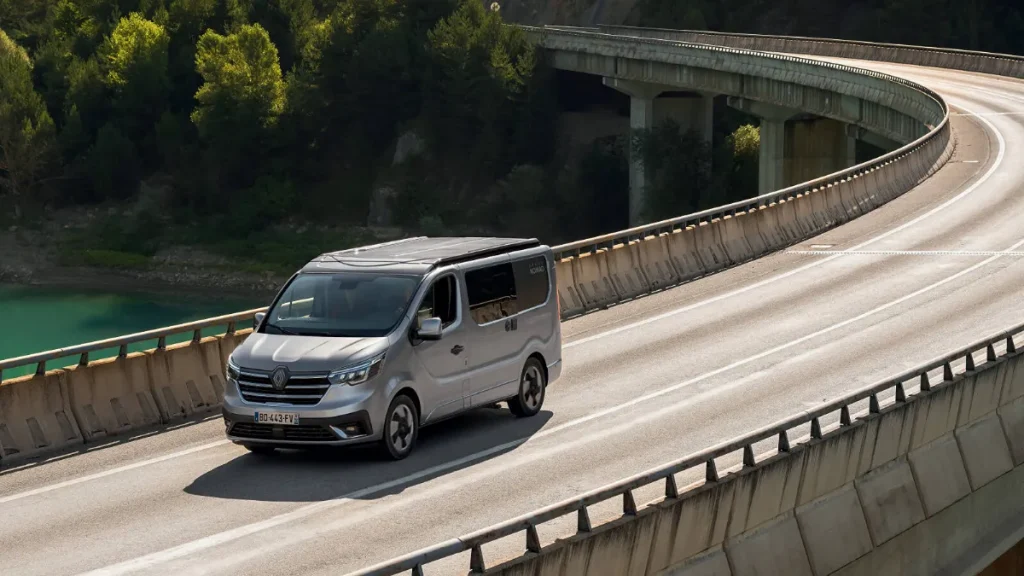
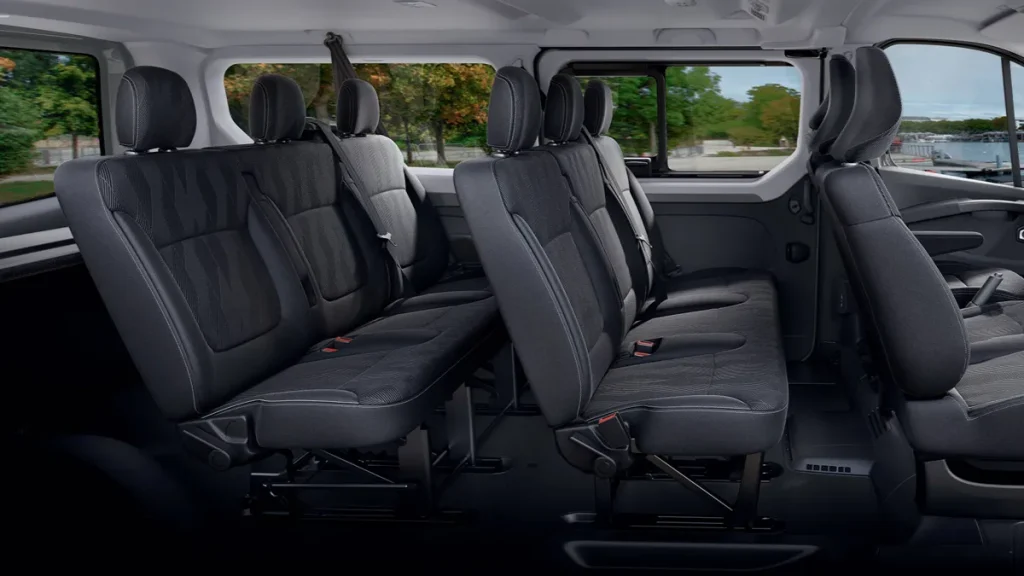
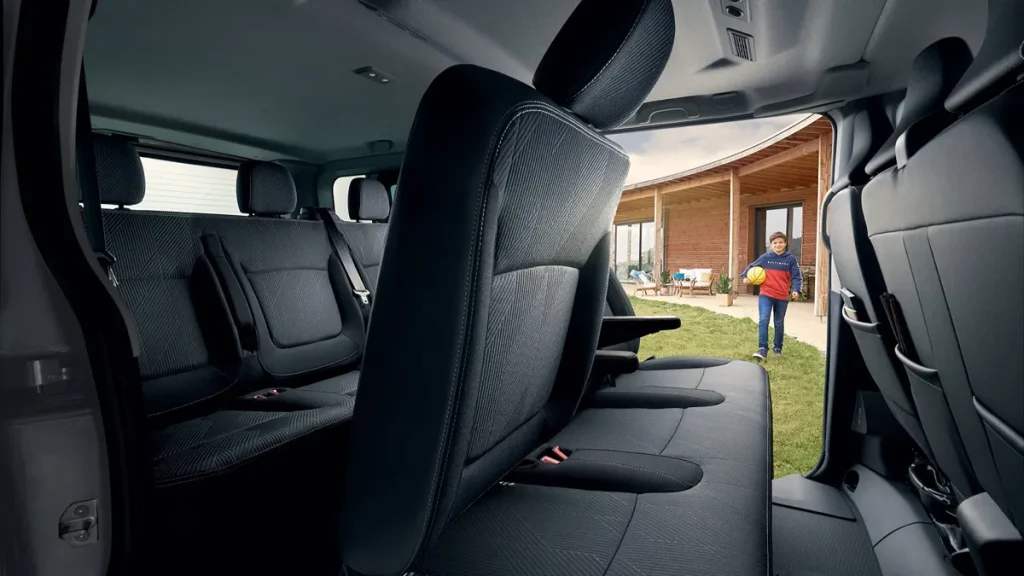
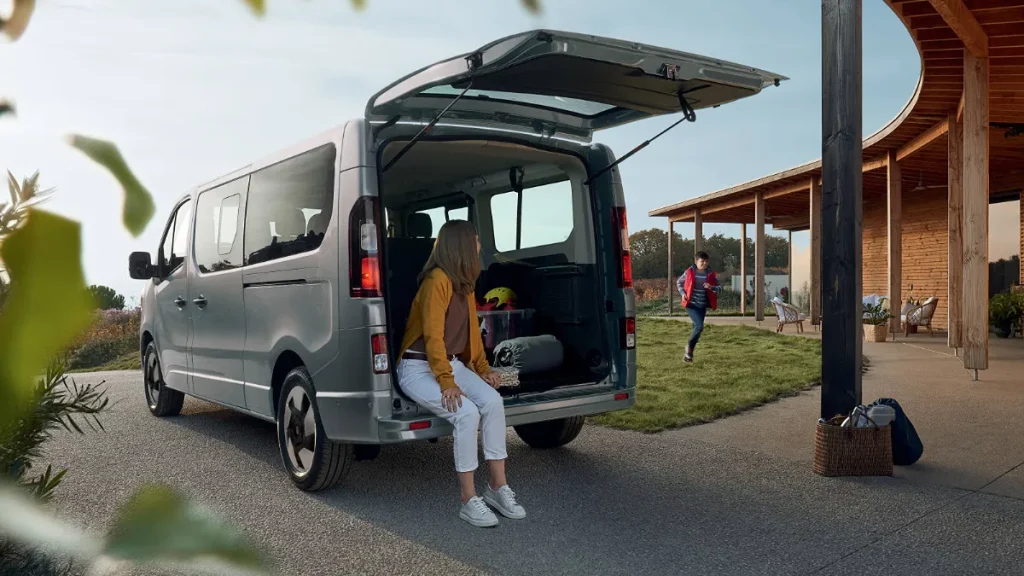
With room for up to 9 people, the Trafic Passenger is extremely versatile as both a family or business vehicle, with up to 6000 litres of boot space.
It's also generous when it comes to the standard specification of the Advance trim level, which includes.
Upgrading to extra adds rear air conditioning, which in a vehicle designed to carry up to nine people, in a cabin more than five metres long, is a major improvement, particularly during the multiple heatwaves we've endured. Extra also includes built-in navigation, LED interior lighting and 17-inch wheels, making it a much more useful and attractive option. It's certainly where we'd opt to spend our money.
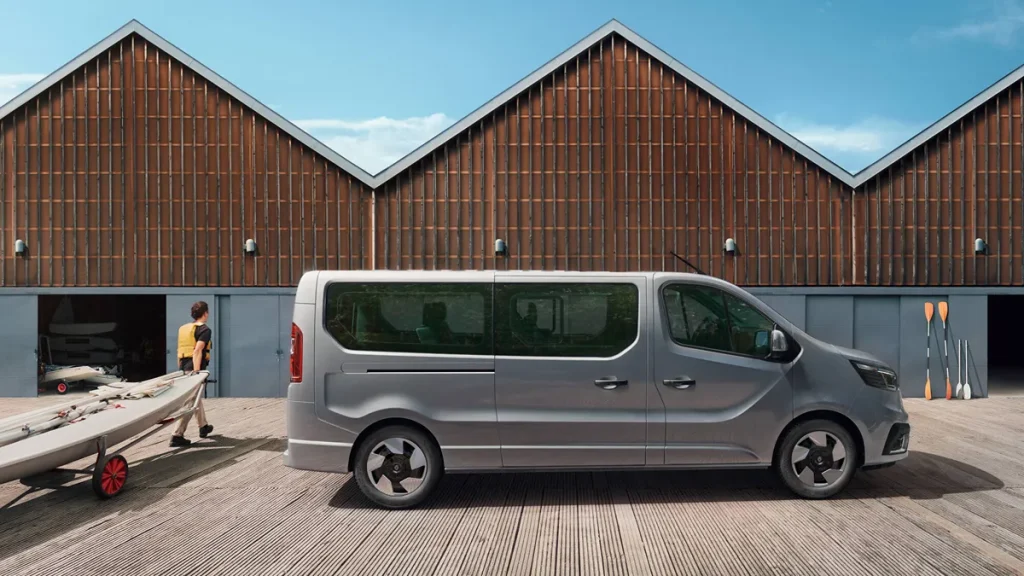
The transmission is the other half of the argument. The Passenger's job is likely to be school runs, airport trips, shuttle work and stop-start town driving with a full load of adults and children.
For that reason we'd only choose the entry-level Blue dCi 110 engine if you're limited on price and definitely don't want an automatic. Opting for the 150 gives you the choice of an Auto, while the 170 is exclusively available with a new 9-speed automatic gearbox which is even more responsive than the previous dual clutch EDC.
While the 6-speed manual pairs well with the 2-litre diesel, the EDC dual-clutch adds more refinement to the Trafic Passenger. It also means no clutch pedal in traffic, so for anyone using a Trafic Passenger as part of their day-to-day, they will feel the benefit immediately.
Standard safety features include active emergency braking, lane departure warning, rear camera and sensors, as well as drowsiness detection and curtain airbags. It's a well-rounded package and a sensible and far more useful vehicle than a large SUV might be.
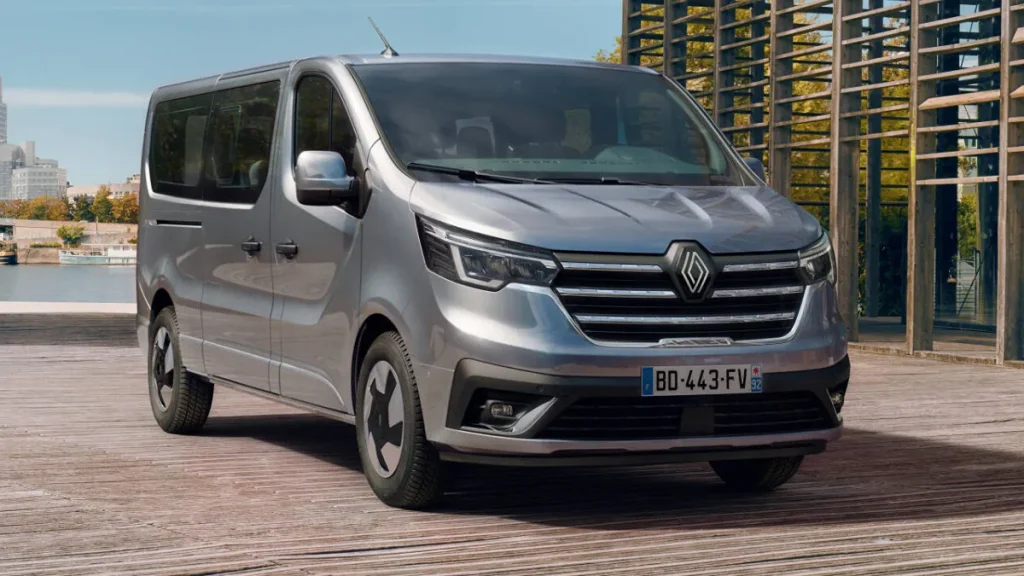
We've driven the Trafic Passenger as a manual and the panel van with both manual and auto transmissions, and there's really only one winner in our eyes. While the manual is good, the auto is great, and for the added refinement your passengers would appreciate, we'd choose the 9-speed auto every time.
There's also the choice between Advance and Extra trim level. Extra adds the rear air conditioning, which we would say is certainly a massive positive for a vehicle whose primary goal is to transport passengers, but there's also nice upgrades for the driver with a slightly larger 8 inch screen, which fills the space a bit better, and the addition of LED interior lighting and a premium faux leather steering wheel. It's certainly a sensible upgrade to choose.
As a value for money option, it goes without saying that you should buy the Trafic Graphite Edition if you want a van.
The extra equipment, along with the badge-and-decals makes it really stand out, but the unseen reason to buy it is the blind spot warning and adaptive cruise control which you'd have to pay for as extras on any of the other trims. Factor in the additional demand a high-spec van like the Graphite Edition will have in the used market and it makes even more sense.
As a people moving passenger van, the Trafic Passenger in Extra trim with the 9-speed automatic is what we would suggest is the best Trafic to buy if you want to carry people. Rear air conditioning plus an automatic gearbox make it a much more passenger friendly van, and turn this nine-seater into one you will not resent on a Friday afternoon in August.
In both cases, though the logic for buying these high-end versions of the Trafic is the same. Renault Trafic is a good enough van that specifying it down is a false economy, not speccing it up. Spend more, get more.
Published:
Last updated: