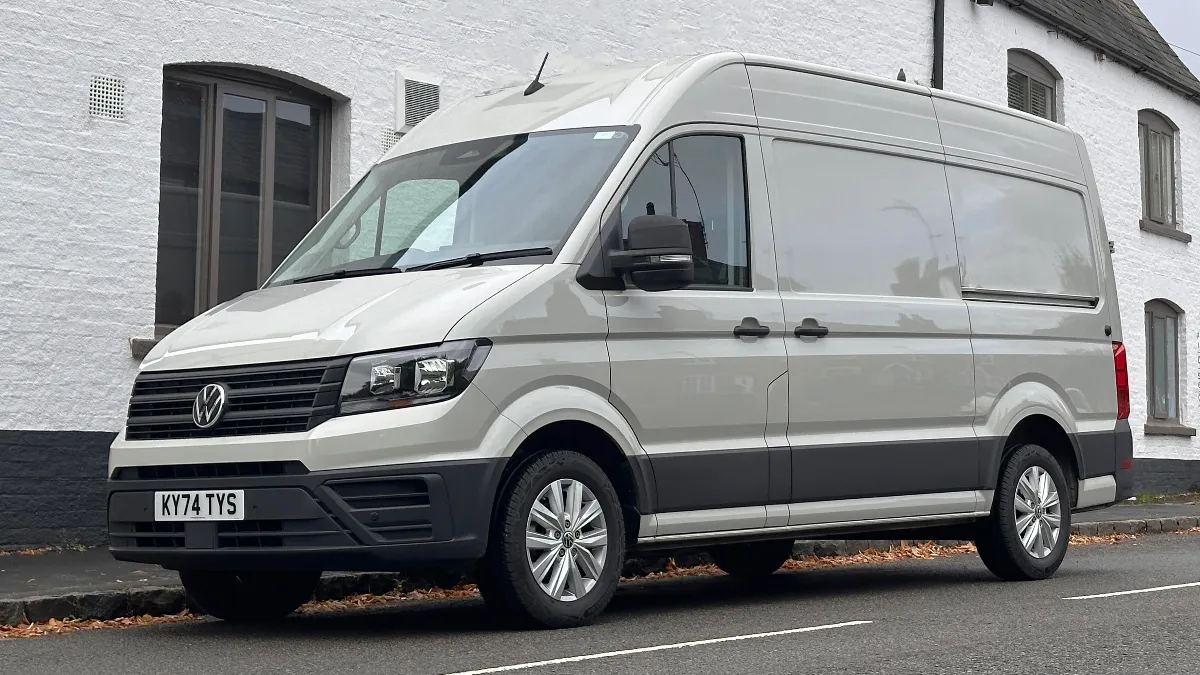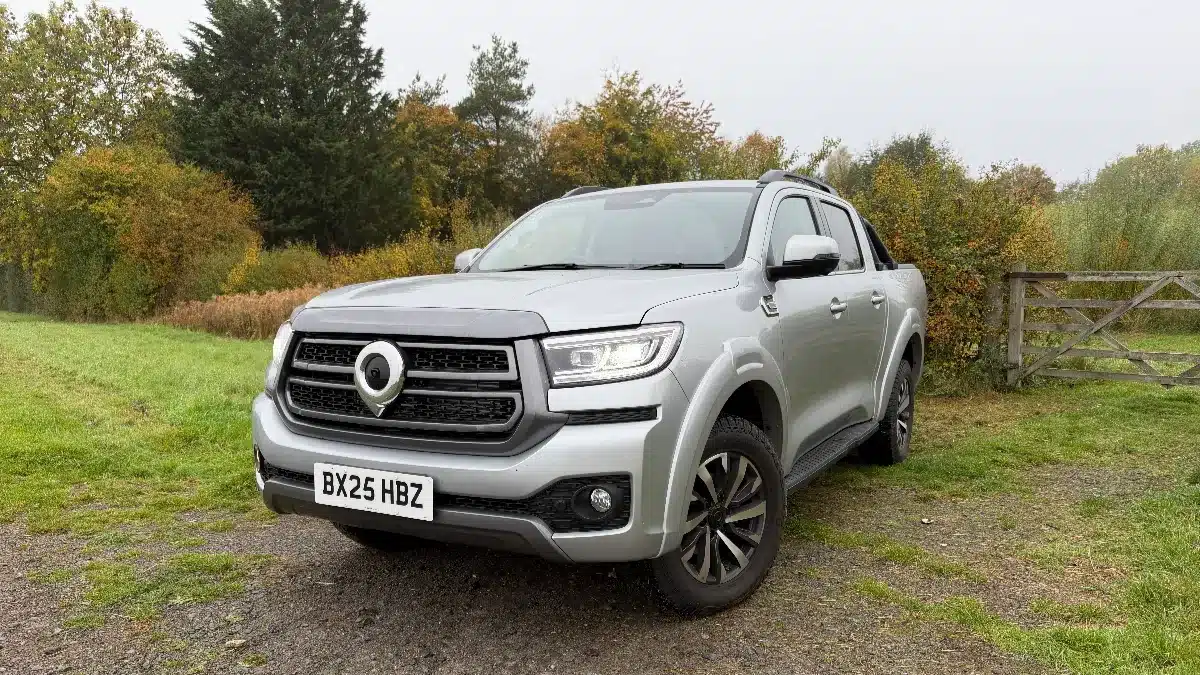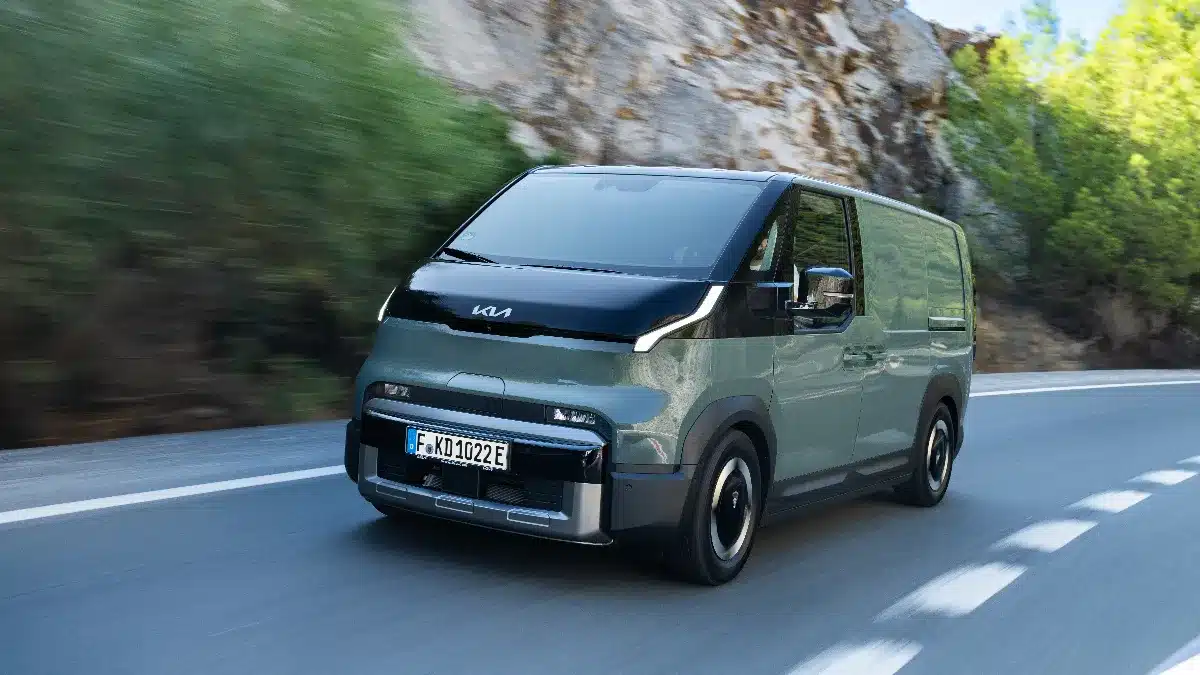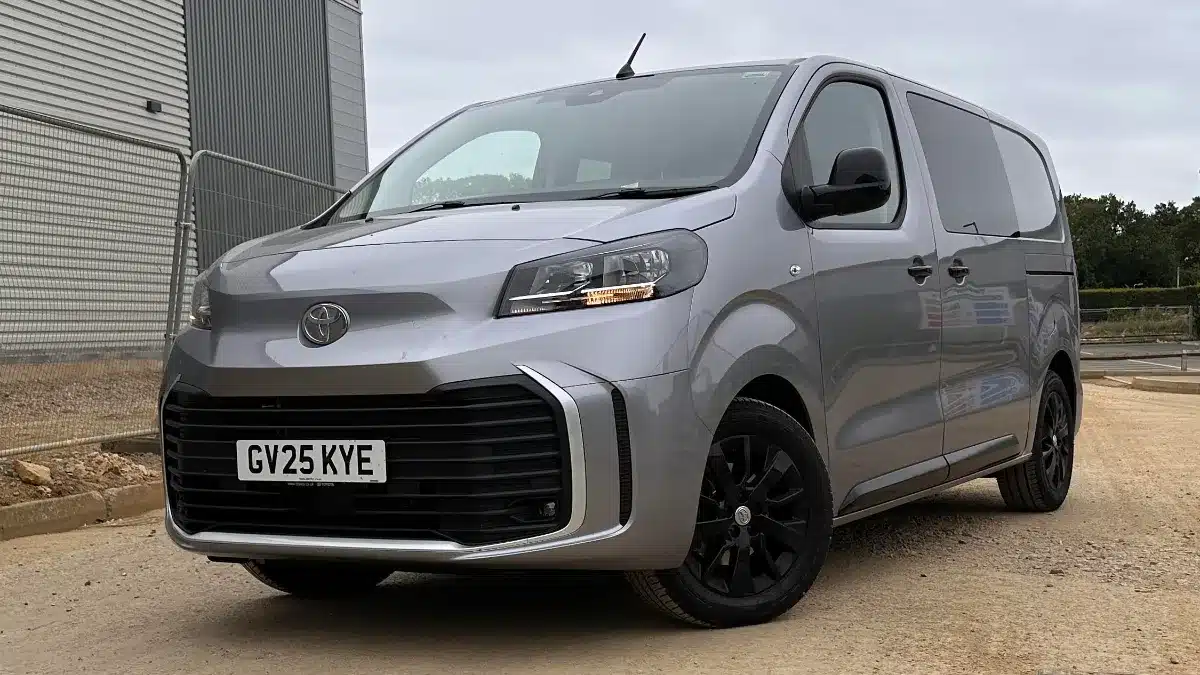

For years, Europe’s van manufacturers have comforted themselves with the belief that their biggest rivals were the companies parked next to them.
Stellantis worried about Renault. Renault worried about Volkswagen. Volkswagen looked at Mercedes-Benz, while everyone took notice of Ford.
Well... something like that, anyway. But not anymore.
That's because last year Kia upset the apple cart with the launch of the PV5, and since then it has felt like everyone in Europe is now looking at the East for the next big "what next" moment for vans. We've had many new names on the IVOTY shortlist before, Farizon were on the list last year with the SV, and Maxus has been nominated in previous years for a whole host of vans including the eDeliver 5 and eDeliver 7.
Read our Farizon SV review
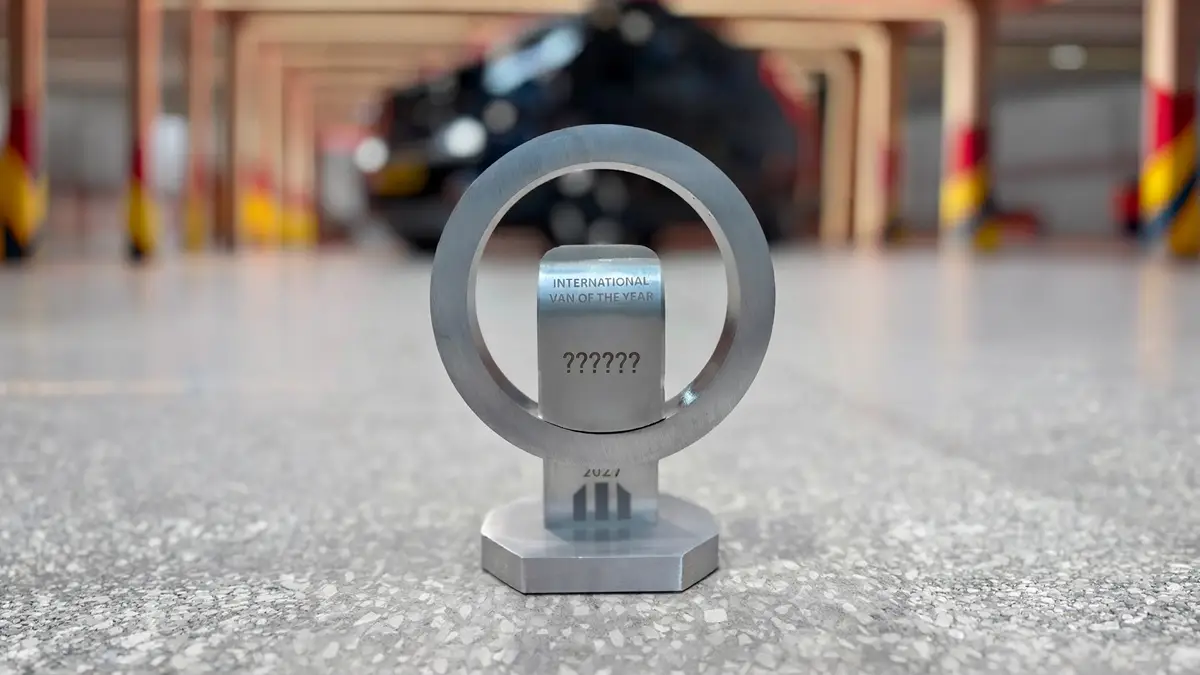
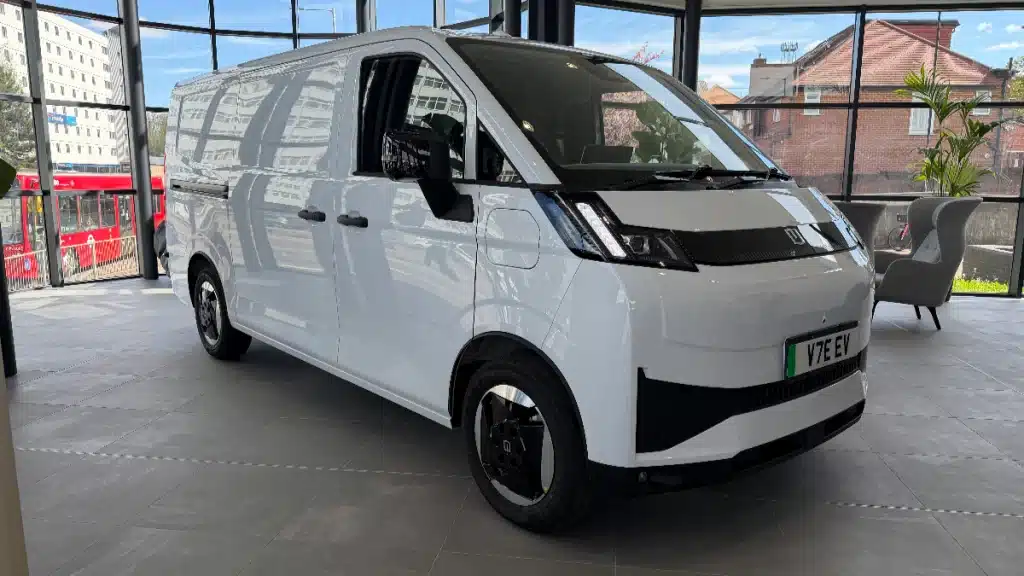
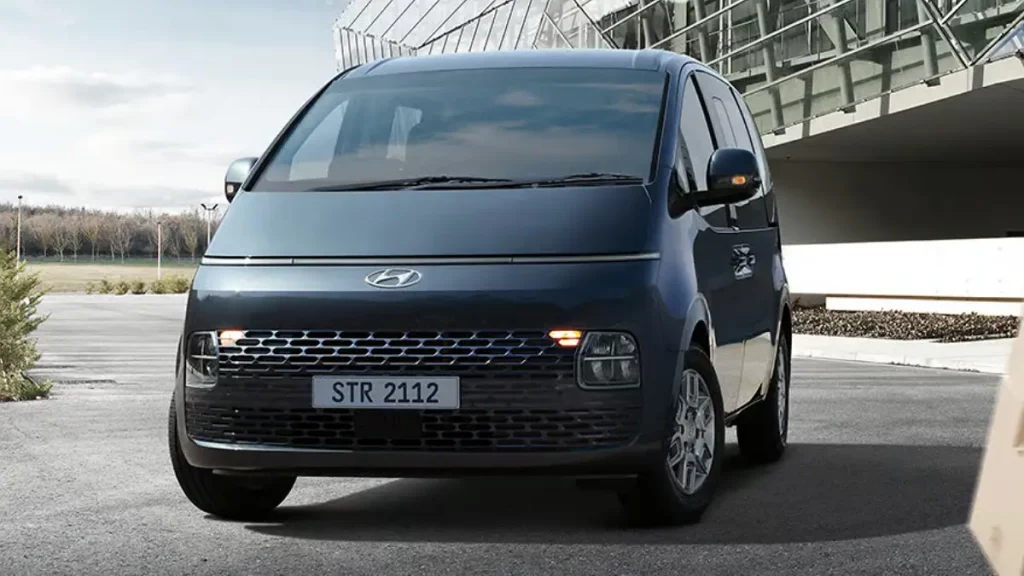
This year though, the International Van of the Year 2027 shortlist sends a message that’s impossible to ignore. Alongside Europe’s traditional heavyweights like Renault and Stellantis there are Farizon and Maxus, as well as Hyundai.
They're not just making up the numbers, either. Everyone on the shortlist is producing vans that deserve to be considered amongst the best in the business.
For years, the narrative around Chinese commercial vehicles has been predictable. They’re cheap. They’re improving. They’ll eventually become competitive.
Well, “eventually” has definitely arrived. Whether it’s Farizon’s innovative approach to engineering electric vans with big payloads, or Maxus’ relentless expansion across Europe with ever improving products, there's huge momentum behind these brands.
Hyundai Motor Group’s growing commercial vehicle ambitions, with both Kia and Hyundai also underline another treat from the eastern manufacturers, who are no longer knocking politely at the door. They’re already inside the building and it's possible that European manufacturers may have underestimated just how quickly this would happen.

Legacy brands have spent years carefully managing the transition to electrification, having to balance their diesel sales, with emissions regulations and dealer network resistance - not to mention ever-present shareholder expectations - these newer entrants have been able to move faster.
Whether that's because they don't have heritage to protect, or decades of diesel investment to claw back, it's allowed them to aggressively target the sector with products and prices that are bound to cause a stir.
Read our Volkswagen ID Buzz Cargo review
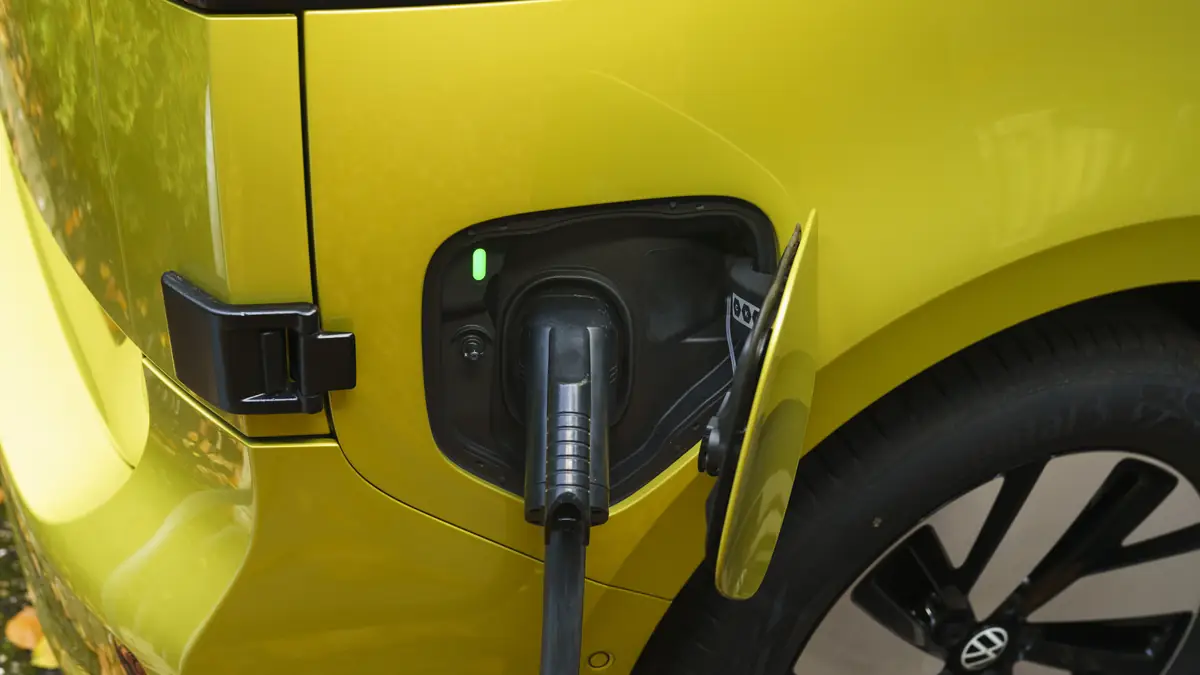
Just yesterday, Volkswagen announced improvements to its ID Buzz Cargo, increasing range with a new battery, but also dropping the price of their small/medium electric van to make it even more comparable with the Kia PV5. A £5k drop in RRP is massive, especially when there's the Plug In Van Grant.
That also brings us to the second obvious feature of the shortlist. It’s electric. Very electric.
Although the International Van of the Year Jury gave its award to an electric van, the Renault Kangoo ZE, as early as 2012 - incidentally my first full year involved with the IVOTY jury - the list is increasingly being dominated by zero-emission vans. Not surprising as these are the products that manufacturers are betting their futures on.
Read our Renault Kangoo E-Tech review
Perhaps that’s another reason why the eastern brands have arrived so strongly.
Unlike many European companies, they haven’t had to persuade customers to move away from generations of diesel vans that were already hugely successful. In many cases they’ve entered the market with electric vehicles from day one, allowing them to build their identity around the technology.
Of course, European manufacturers still possess enormous advantages. Their dealer networks are vast. Their aftersales support is well established. Fleet relationships have been built over decades, and trust counts for a great deal when your van is your livelihood.
But even recent history is littered with examples where incumbents believed reputation would protect them - anyone heard from Kodak, recently?
The battle for Europe’s van market is no longer a European affair. And if Europe’s biggest manufacturers aren’t feeling at least a little nervous, they probably should be.
Read What is the International Van of the Year award?
Manufacturers know where legislation is heading. They know where fleet investment is heading. Most importantly, they know that every major new van platform being developed today has to work in an electric future.
Perhaps, though, the most refreshing aspect of the shortlist is that it is still diverse.
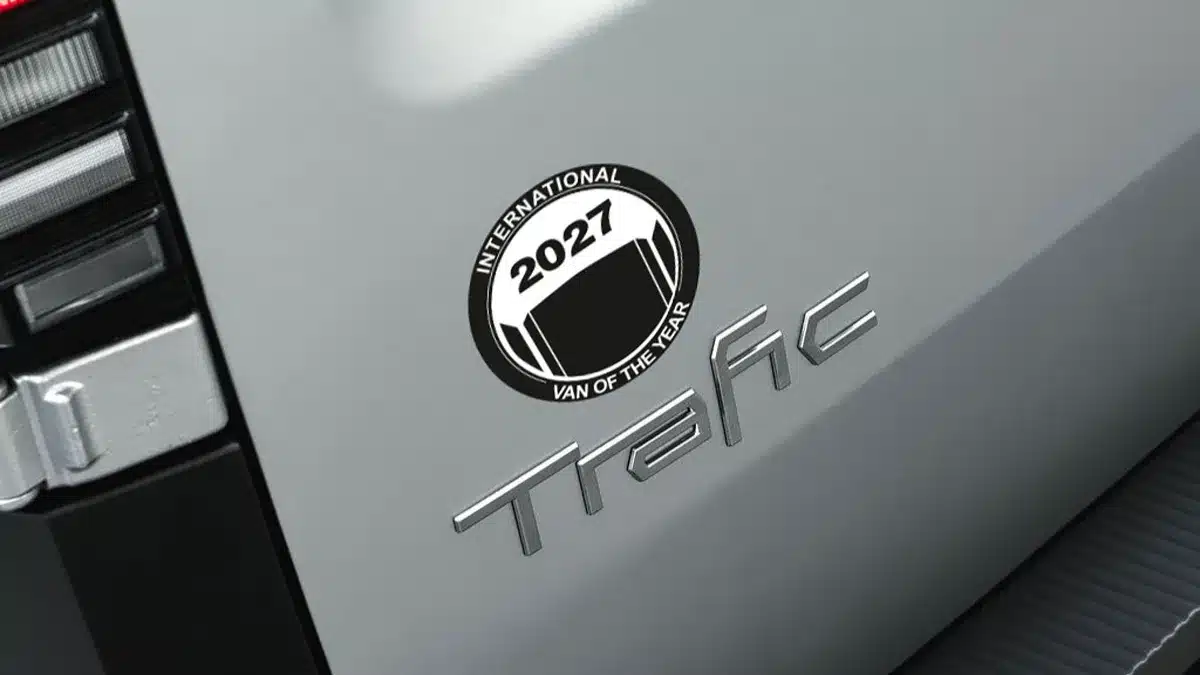
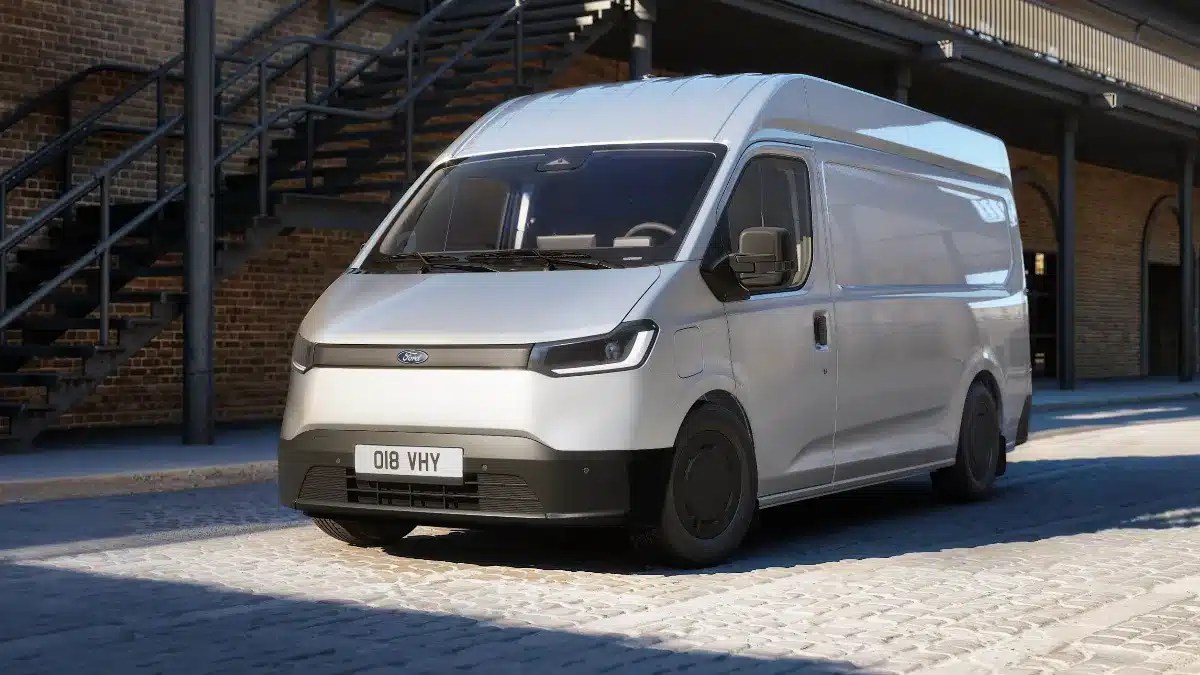
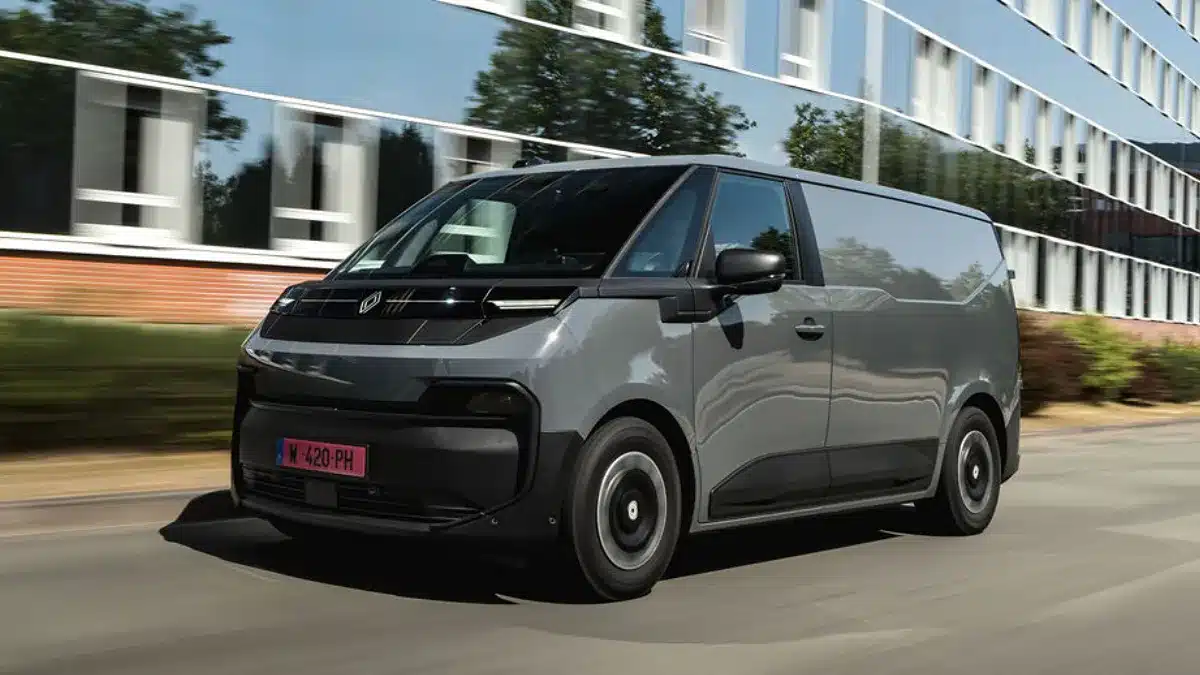
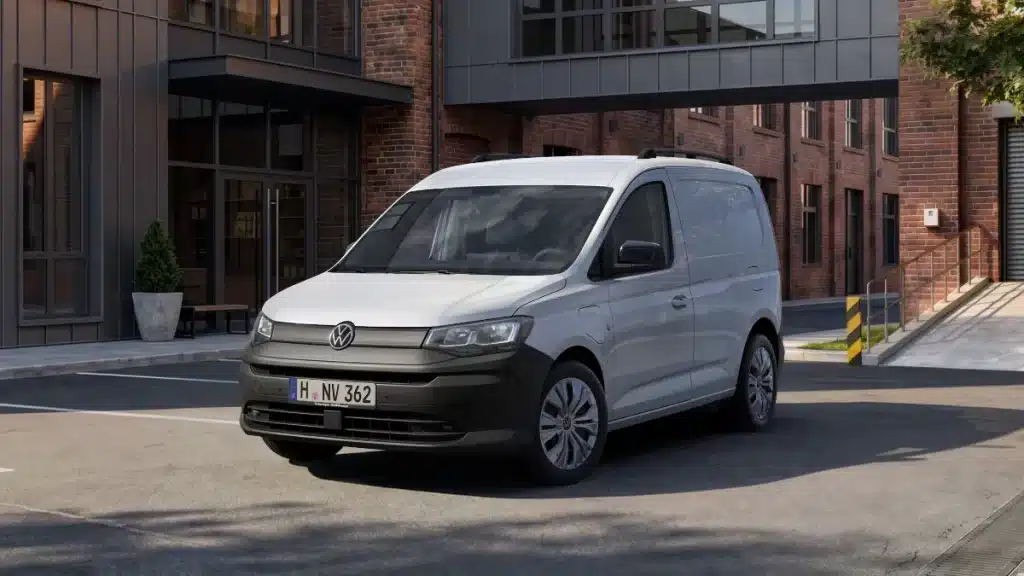
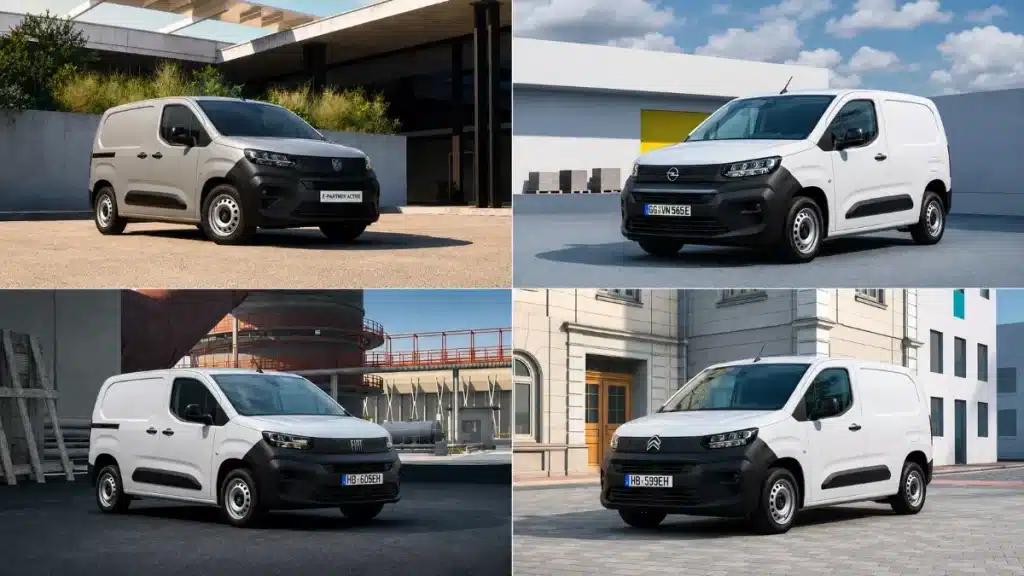
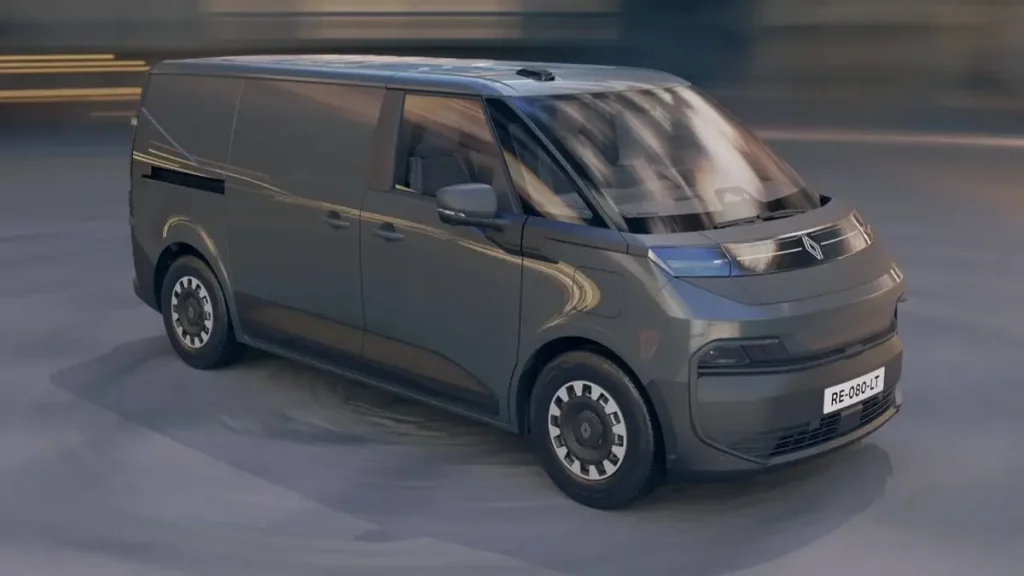
Volkswagen continues to refine the Caddy, one of the sector’s benchmark compact vans. Renault continues to pioneer electrification with the 800V, software-defined Renault Trafic E-Tech, and Stellantis is focusing on what it has most recently become known for, value, with its new Smart Compact range.
While the battle for the International Van of the Year 2027 will, like it always is, be a tough call, when I cast my votes in a few weeks time, however, country of origin won't be weighing on my mind. But rest assured, European and Eastern manufacturers are sure to put in a strong showing when my colleagues, spread across 26 countries, register their scores.