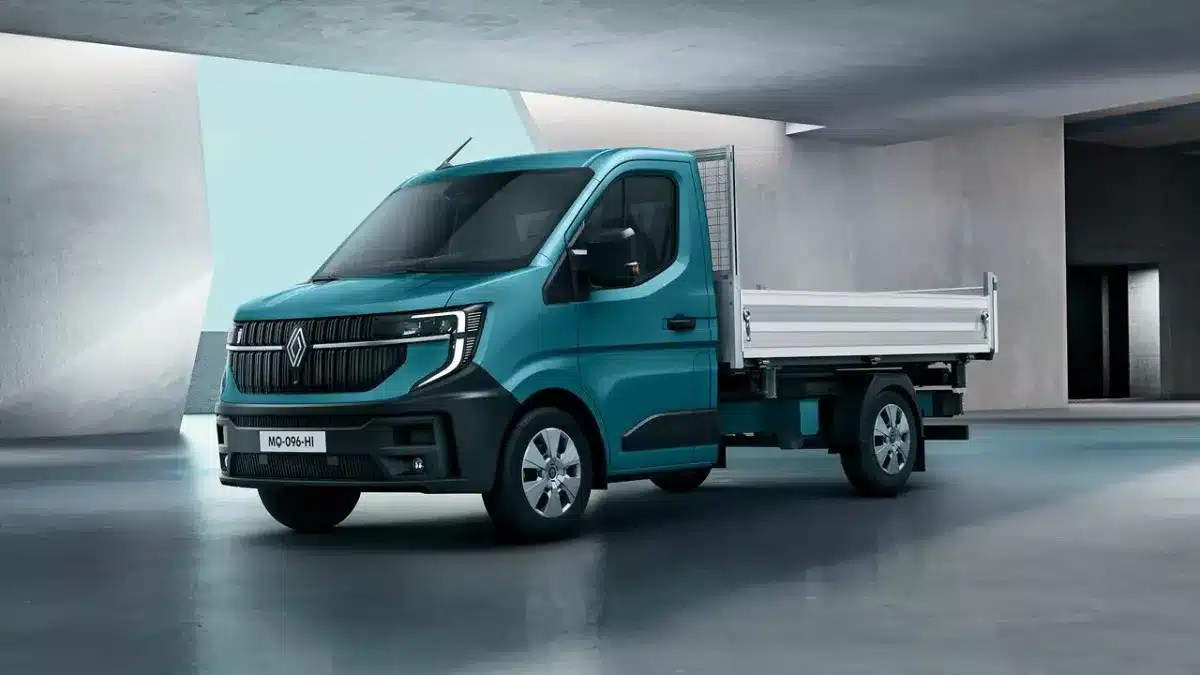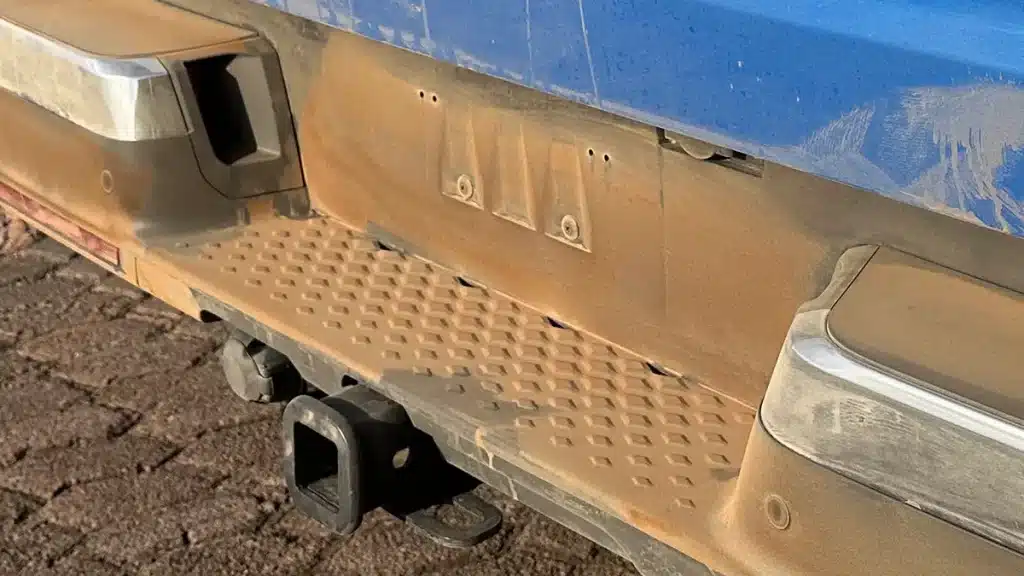
Number plate theft is on the rise, but thieves don't always have to physically take your plates to land you in hot water and cause you a nuisance. Here's what to do if your car or van has had its number plate cloned.
One tell-tale sign that your numberplate has been cloned is receiving a speeding ticket, parking fine or clean air zone penalty for somewhere you have never visited. It could mean your van’s number plate has been cloned.
Number plate cloning happens when someone puts your registration number on another vehicle. The cloned plate allows that vehicle to trigger enforcement cameras while making it appear that your van was responsible.
Criminals can use cloned plates to avoid speeding fines, parking charges, tolls and clean air zone payments. They may also use them on stolen vehicles or while committing more serious offences.
For van owners and operators, the consequences can be particularly disruptive. A cloned registration could generate penalties from several different authorities, while police may repeatedly stop the genuine van because its number plate has been linked to suspicious activity.
The important thing is to act quickly. Do not assume an incorrect fine will disappear once the issuer realises it has made a mistake.
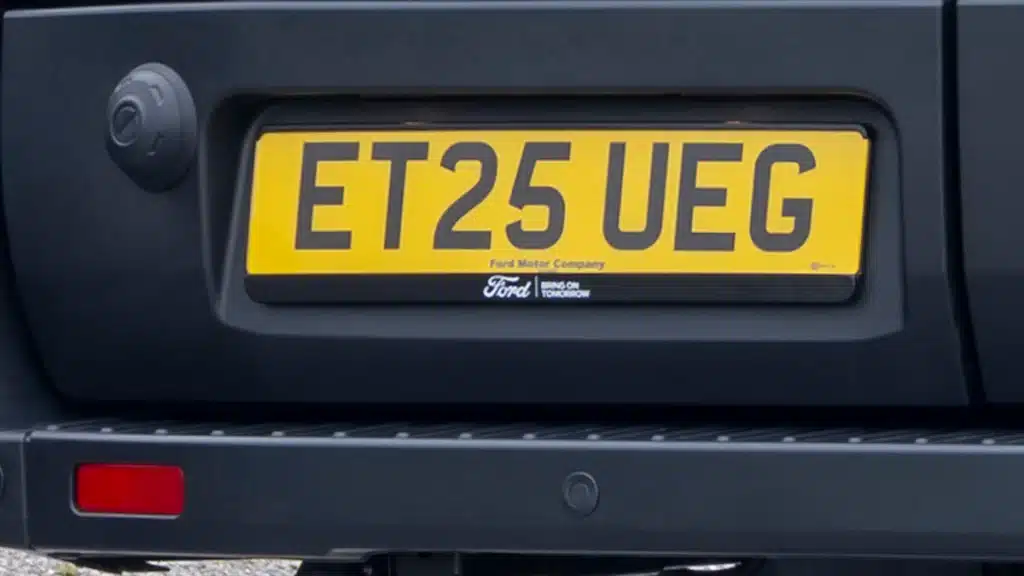
The first indication is often an unexpected letter relating to:
Check the date, time and location carefully. You should also inspect any photographs supplied with the notice.
Cloners frequently look for a vehicle of the same make, model and colour because this makes the deception harder to detect. There may still be differences, particularly with working vans.
Look for variations in:
A penalty photograph might show a white Ford Transit Custom that initially appears to match yours, for example, but it may have a different roof rack, rear doors, trim level or wheelbase.
Report the suspected cloning to the police using 101 or your local force’s online reporting service. Call 999 only if a crime is taking place or there is an immediate danger.
Explain that another vehicle appears to be using your van’s registration and provide details of any notices or photographs you have received.
Ask for a crime reference number and keep it somewhere accessible. You may need to quote it repeatedly when challenging penalties.
Police guidance says motorists who receive a ticket as a result of a suspected cloned vehicle should report it, contact the issuing organisation and provide supporting evidence where available.
You must respond separately to every penalty, notice or allegation.
Reporting the cloning to the police does not automatically cancel a council parking fine, ULEZ penalty or speeding allegation. It also does not necessarily alert every organisation operating enforcement cameras.
Follow the challenge procedure printed on each notice and meet its deadline. Include:
Do not pay a penalty simply to make the problem go away if you intend to dispute liability. Payment may be treated as accepting the penalty and could close the appeal process.
Most penalty charge notices allow 28 days to pay or make representations, although the precise procedure depends on the issuer and the type of notice. Ignoring a PCN can result in the amount increasing and eventually being registered as a debt.
Check the government advice on parking tickets, here GOV.UK parking-ticket guidance
Contact the DVLA and explain that you believe another vehicle is displaying your van’s registration.
DVLA’s published guidance says victims should contact the police, return any fines or correspondence to the issuing authority with evidence, and write to the DVLA so it can record the matter.
Write to: DVLA, Swansea, SA99 1ZZ
Include your registration number, vehicle make and model, police crime reference number and copies of any relevant notices. Do not send original documents unless the DVLA specifically requests them.
DVLA may consider issuing a replacement registration number where the problem cannot be resolved satisfactorily. This is not necessarily automatic, so discuss the options with the agency before ordering new plates or making changes to your van.
Start collecting evidence as soon as you suspect cloning. Useful information can include:
Telematics can be particularly valuable for van operators. A reliable tracking record showing that the genuine van was in Leicester when a camera recorded its registration in London could provide compelling evidence.
Keep copies of everything you send and note when and how it was submitted. Create a separate record for every penalty rather than assuming that one successful challenge will deal with all future notices.
Tell your insurer that the registration may have been cloned, even if no insurance claim has been made.
This gives the insurer an early record of the problem in case the cloned van is subsequently involved in a collision, insurance claim or criminal investigation.
If the van is leased, financed or owned by your employer, tell the registered keeper and fleet manager as well. A leasing company may receive notices before they reach the driver and could charge an administration fee for processing them.
Challenge the notice directly with the authority that issued it.
For a London ULEZ penalty, the person or company named on the notice must normally make the representation. TfL says representations should be made within 28 days of the PCN’s service date. Supporting evidence should be supplied when the vehicle shown is not yours.
Visit TfL’s PCN challenge procedure website to challenge it.
Other clean air zones have their own appeal procedures, so use the details on the notice rather than sending a general complaint to DVLA.
Do not ignore a Notice of Intended Prosecution or a request to identify the driver.
Respond within the deadline and explain that the vehicle shown was not yours and that you believe your registration has been cloned. Follow the instructions on the notice, contact the issuing police force and supply your crime reference number and evidence.
Failing to respond to a legal request for driver information can create a separate offence, even when you dispute the original allegation.
Replacing your existing plates with another set displaying the same registration will not stop a clone. The other vehicle can continue using its copy.
Changing the registration mark itself may eventually be appropriate, particularly if false penalties continue arriving, but it should be discussed with DVLA. A different registration will also need to be recorded with your insurer, leasing provider, fleet systems, toll accounts and clean air zone accounts.
If DVLA allocates another registration, destroy the old plates securely once the change has been completed and the new registration is legally assigned to the van.
You should not make major changes solely because of cloning, but clear identifying features can help distinguish your van from the cloned vehicle.
Discreet security markings, professionally applied graphics or identifiable stickers may help. Keep recent photographs showing every side of the van and update them whenever accessories or graphics change.
Avoid publishing clear, unobstructed photographs of the registration plate unnecessarily when advertising the vehicle online. Also avoid sharing photographs or copies of the complete V5C. DVLA warns that sharing its document reference number can put a vehicle at risk of fraud or cloning.
Figures show an increasing number of cases, rising from 7,430 in 2021 to 11,395 in 2025.
| Year | Suspected cases |
|---|---|
| 2021 | 7,430 |
| 2022 | 7,837 |
| 2023 | 9,848 |
| 2024 | 10,462 |
| 2025 | 11,395 |
That represents a reported increase of 53% over five years.
If you think your van has been cloned:
Having your registration cloned does not make you liable for another driver’s offences.
However, you will usually need to demonstrate that the vehicle responsible was not yours. Fast reporting, good records and clear photographs can make that process considerably easier.
Published:
Last updated: