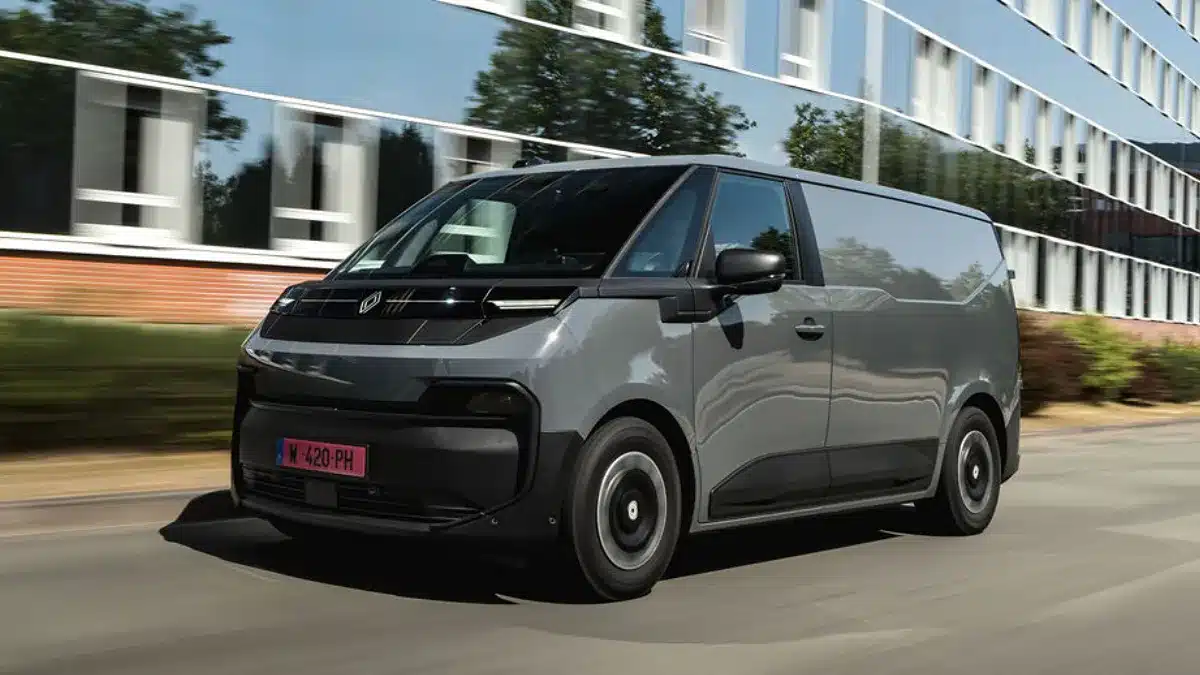
If you thought Kia was simply following the PV5 with a slightly larger electric van, think again. The Korean manufacturer has revealed plans to produce no fewer than 23 variants of its newly unveiled PV7 as it dramatically expands its van range.
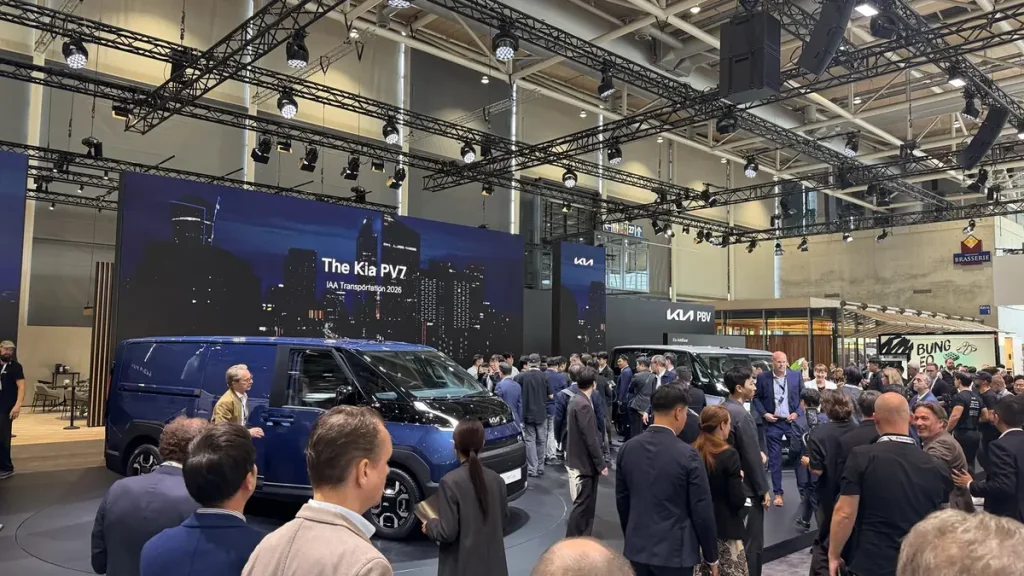
The new PV7 was unveiled at IAA Transportation 2026 and will initially arrive in Cargo and Passenger form during the second half of 2027. But those models will be only the beginning...
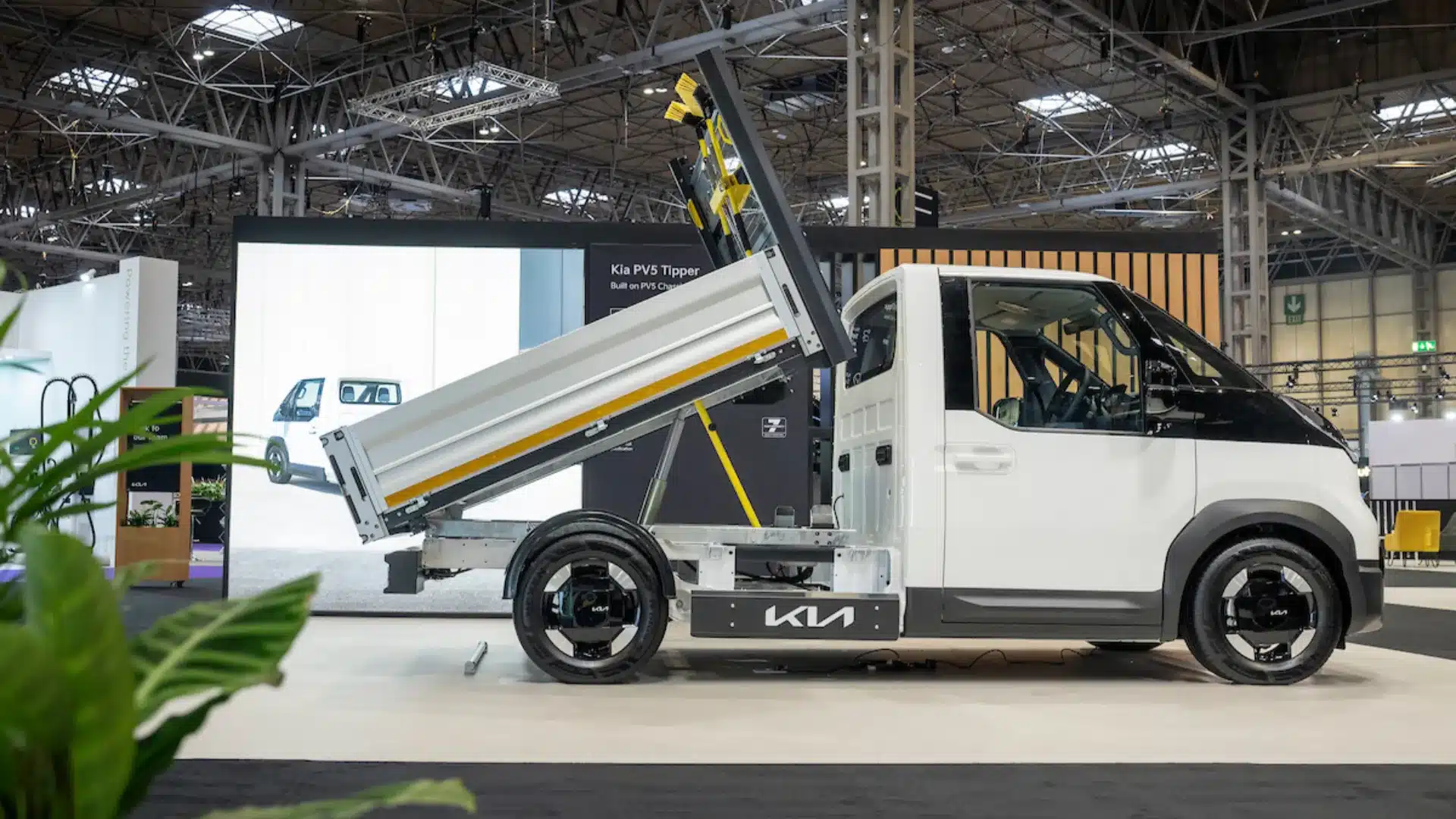
Kia says its eventual 23-model PV7 family will include Cargo, Passenger, Chassis Cab and a broad range of converted vehicles.
The core factory range will comprise Cargo Compact, Cargo Long and Cargo High Roof models.
Passenger models will be available in Compact and Long forms, while a dedicated Chassis Cab will provide the basis for more specialist conversions.
Kia's Flexible Body System has been designed from the outset to enable different bodies and configurations to be built around its E-GMP.S architecture.
Rather than treating conversion work as something that happens completely independently after a vehicle leaves the factory, Kia is attempting to integrate converters into its PBV programme.
Its Hwaseong EVO West PBV Plant and dedicated PBV Conversion Center will support production of standard and converted vehicles.
Kia is also working with regional conversion companies. A single connector interface will enable conversion equipment to communicate with and be controlled through the vehicle itself. The approach could allow specialist equipment to become more closely integrated into the van's electrical and software architecture.
A still-larger PV9 is scheduled to follow in 2029, creating a three-model PBV family spanning a considerably broader section of the commercial vehicle market where Kia has previously set itself a target of selling 250,000 PBVs globally by 2030.
The company's strategy also extends beyond building different vehicle bodies. Kia says its PBV operation is based around hardware, software and services.
Operators will have access to the Kia Business Solutions Portal, covering areas including fleet management, charging, maintenance and everyday vehicle operation. Fleet Management System functionality and connected-vehicle APIs can provide vehicle data to operators, while Kia's Uptime services use real-time monitoring, predictive diagnostics and proactive maintenance management.
There's no word on price yet for the Kia PV7, but if the price of the smaller PV5 is anything to go by we can expect the PV7 price to be extremely competitive. We'd estimate a price in the low £30,000 area for the PV7 van.
The first PV7 Passenger and Cargo models will go on sale in Europe and Korea during the second half of 2027.