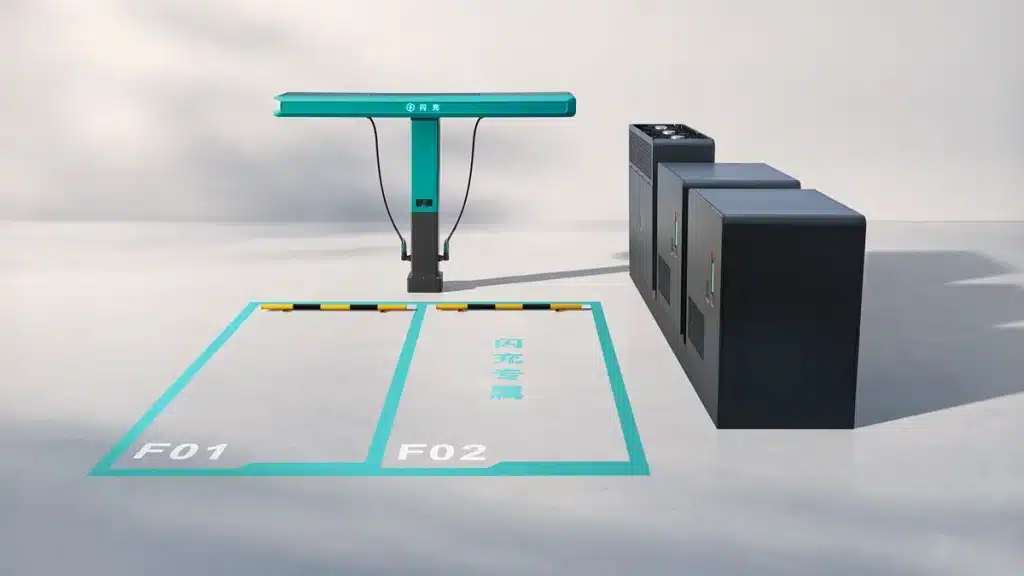
BYD will install 300 of its new Flash chargers across the UK over the next 12 months, with the first site set to go live in the coming weeks. But what exactly is Flash Charging network and how does it work?
The new charging network will be open to any vehicle equipped with a CCS2 charging connection, including electric vans, although only compatible BYD and DENZA models will initially be capable of exploiting the system’s headline charging speeds.
Flash Charging can deliver a peak charging rate of up to 1,500kW through a single connector, which BYD says is sufficient to add more than 200 miles of range to a compatible vehicle in five minutes.
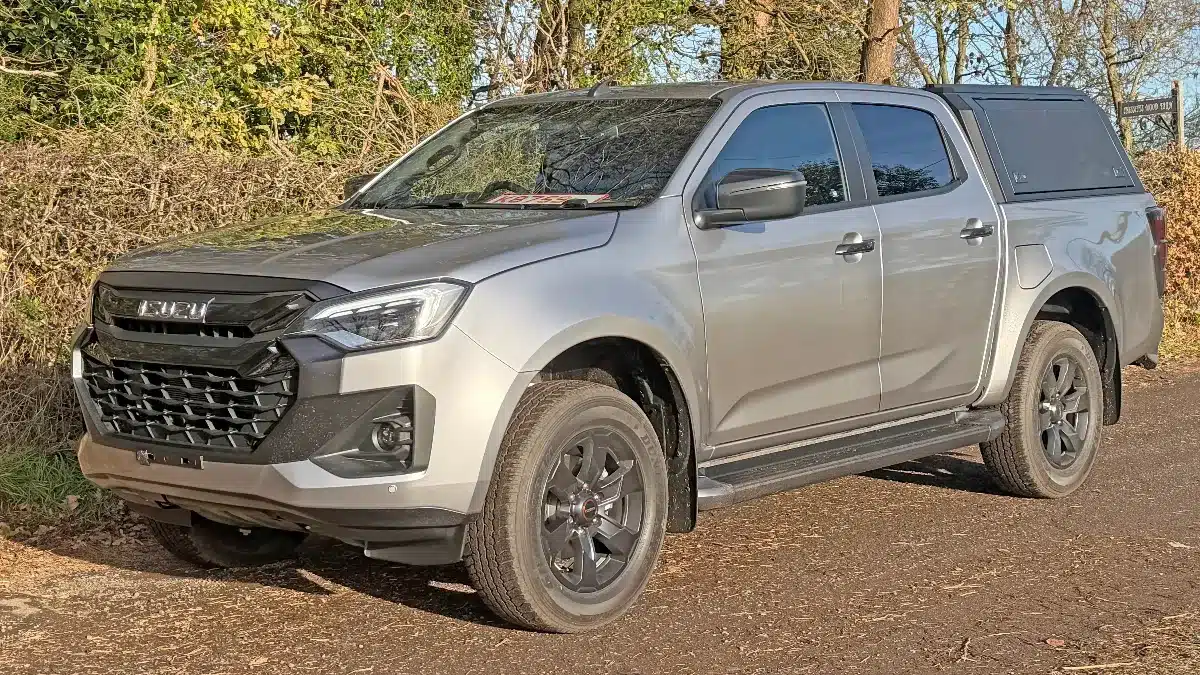
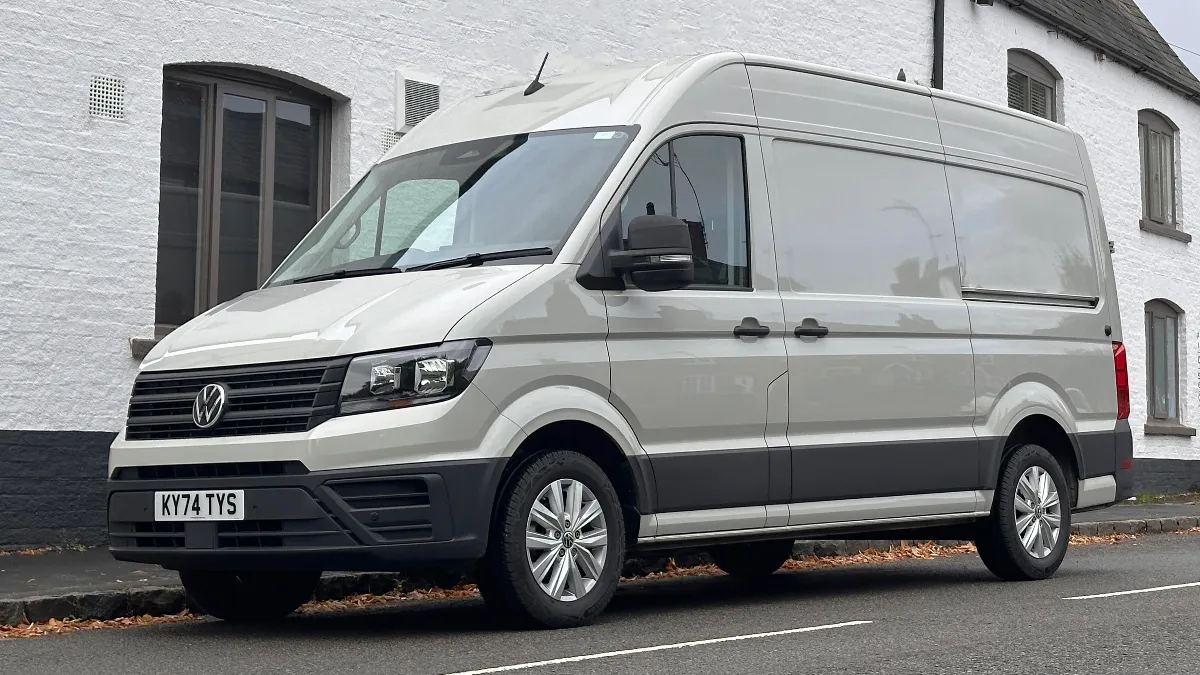
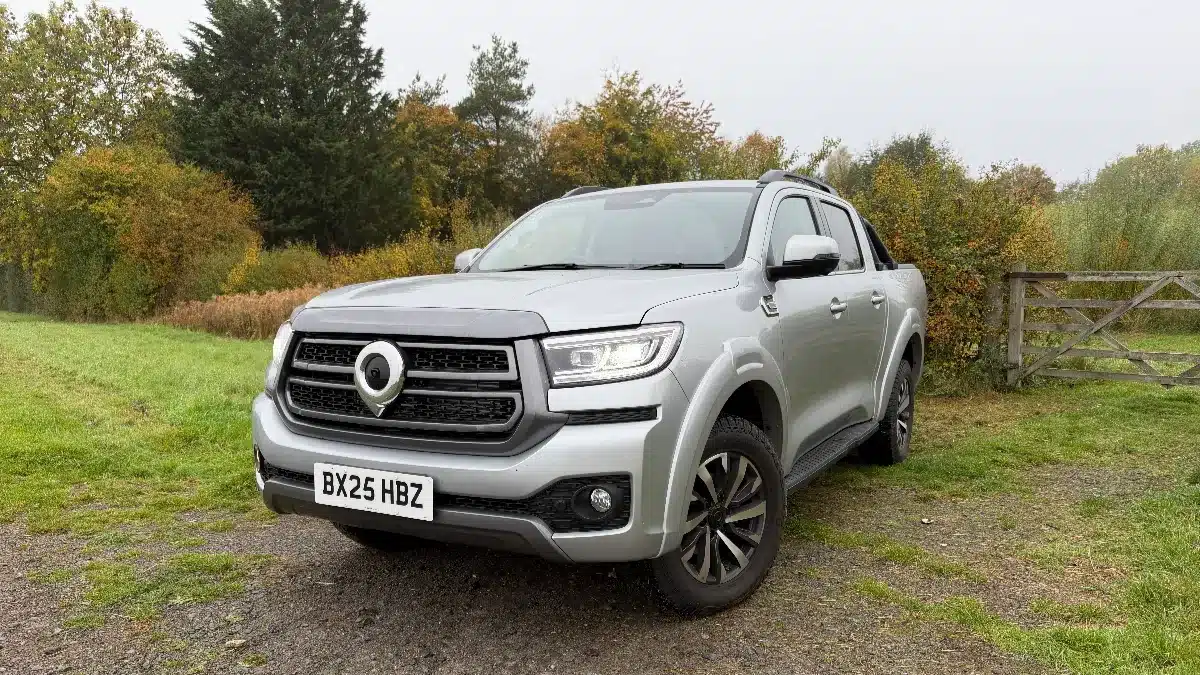
The rollout is also significant given BYD’s growing ambitions in the UK commercial vehicle market. The Chinese manufacturer already has the fully electric E-Vali large van in its European portfolio, while the plug-in hybrid BYD Shark pick-up represents another potential avenue for its New Energy Vehicle technology in the commercial vehicle sector.
What you need to know about the BYD Shark hybrid pick-up truck
Neither the E-VALI nor SHARK has been announced as being capable of exploiting the full Flash Charging speeds.
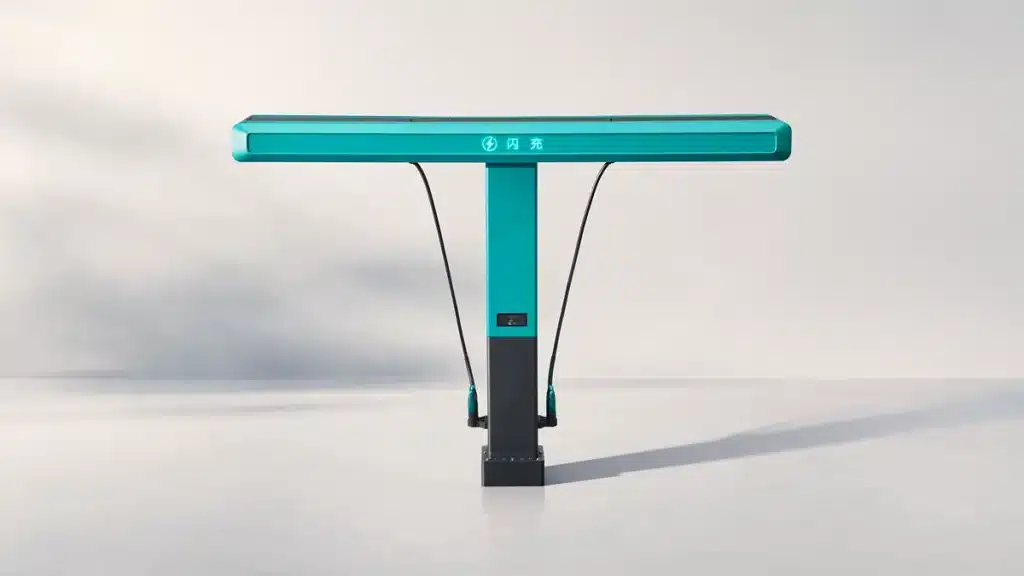
Each Flash charger has two connectors and can charge two vehicles simultaneously at rates of up to 1,000kW each.
BYD says a compatible vehicle can be charged from 10% to 70% in five minutes, or from 10% to 97% in nine minutes. Even in temperatures as low as -30°C, the manufacturer claims a 20% to 97% charge can be completed in 12 minutes.
A significant element of the Flash Charging system is the use of battery storage to provide its exceptionally high peak output without requiring an equivalent connection to the electricity grid.
Each Flash charger incorporates two 185kWh storage batteries, providing a combined capacity of 370kWh.
The batteries can draw electricity from the grid at rates ranging from around 100kW to 560kW, depending on the local infrastructure and demand. Stored electricity can then be delivered to a vehicle at a substantially higher rate for short periods.
Read BYD Dolphin cargo gets 347 mile range
The approach could be particularly relevant as demand for high-powered commercial vehicle charging increases, with grid capacity and the cost and time involved in upgrading connections among the challenges facing businesses looking to electrify their fleets.
BYD has not announced Flash Charging capability for its commercial vehicle range, however, and existing electric vans will remain restricted to their own maximum DC charging speeds when using the chargers.
BYD says the 300-unit UK rollout will focus initially on BYD and DENZA dealerships in major towns and cities, as well as high-traffic locations including motorway service stations and existing charging hubs.
Solar generation will also be incorporated at selected larger sites, including motorway services, out-of-town retail locations and larger dealer forecourts.
Visit our electric van reviews hub
Energy generated by rooftop or carport solar panels can be stored in the Flash charger’s battery system before being used to charge vehicles. Smaller urban locations without sufficient space for solar generation will instead use certified renewable electricity procured from elsewhere.
Despite the proprietary technology behind the highest charging speeds, BYD says the chargers will be accessible to other vehicle brands using a CCS2 connection.
Non-BYD vehicles will charge at the maximum rate permitted by their own battery and charging systems rather than at the full potential of the Flash charger.
The headline charging performance is made possible by BYD’s second-generation Blade Battery technology, which the manufacturer says is capable of achieving a peak charging rate of 10C.
The first UK-bound vehicle capable of taking advantage of Flash Charging will be the DENZA Z9 GT, while the DENZA Z supercar will also support the technology.
Plug-in hybrids can use the system too. The DENZA D9 premium MPV, for example, has a 58.5kWh battery and can reportedly charge from 10% to 70% in five minutes.
BYD says some of its own passenger cars will also gain Flash Charging compatibility in Europe in the future.
Pricing for the UK network has yet to be confirmed, although charging will be billed per kWh.
Compatible BYD and DENZA owners will receive a preferential electricity tariff, while drivers of other vehicles will pay a standard pay-as-you-go rate.
Payment options will include Plug & Charge, the BYD Flash charging app, contactless card payment and RFID roaming cards.
BYD says its UK Flash Charging sites will also be designed to comply with PAS 1899 accessibility standards, including dedicated accessible charging bays and changes to charger hardware to make cables easier to handle.