Ford and Renault have announced a collaboration for future light commercial vehicles, as both companies look to improve their manufacturing efficiencies as they head towards electrification.
The first part of the partnership is an agreement to develop two Ford-branded electric passenger vehicles based on Renault Group's Ampere platform.
Ford and Renault will also then explore the opportunity to collaborate in the commercial vehicle segment in Europe, to jointly develop and manufacture Renault and Ford-branded selected light commercial vehicles.
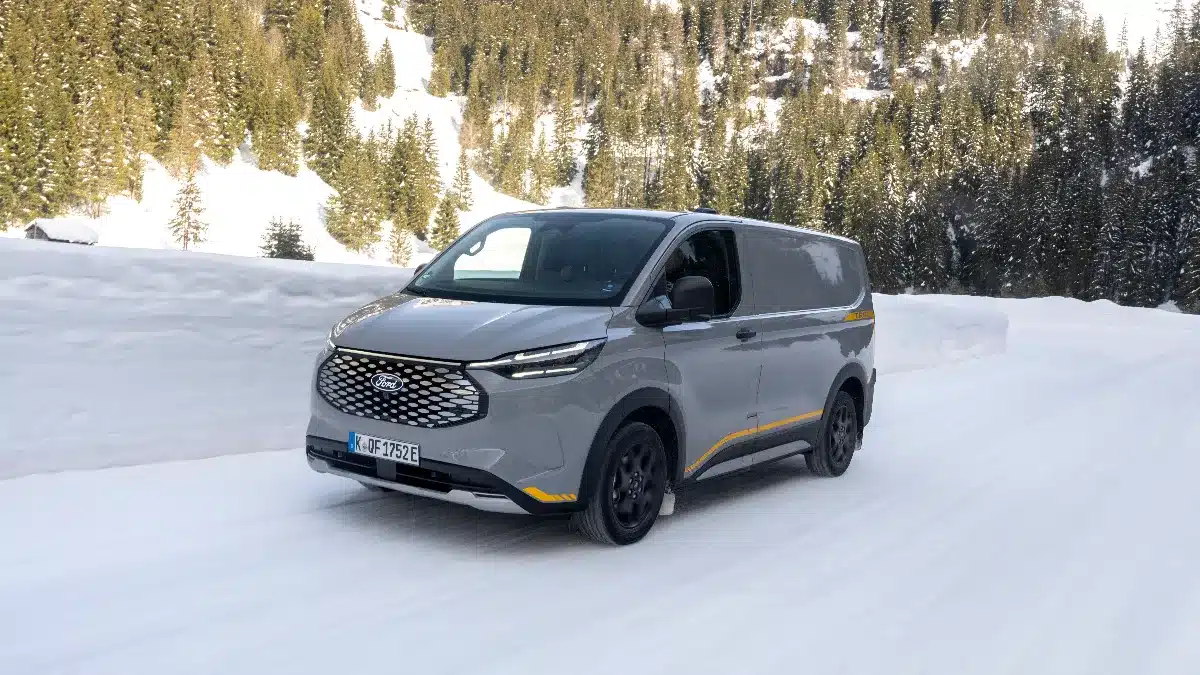
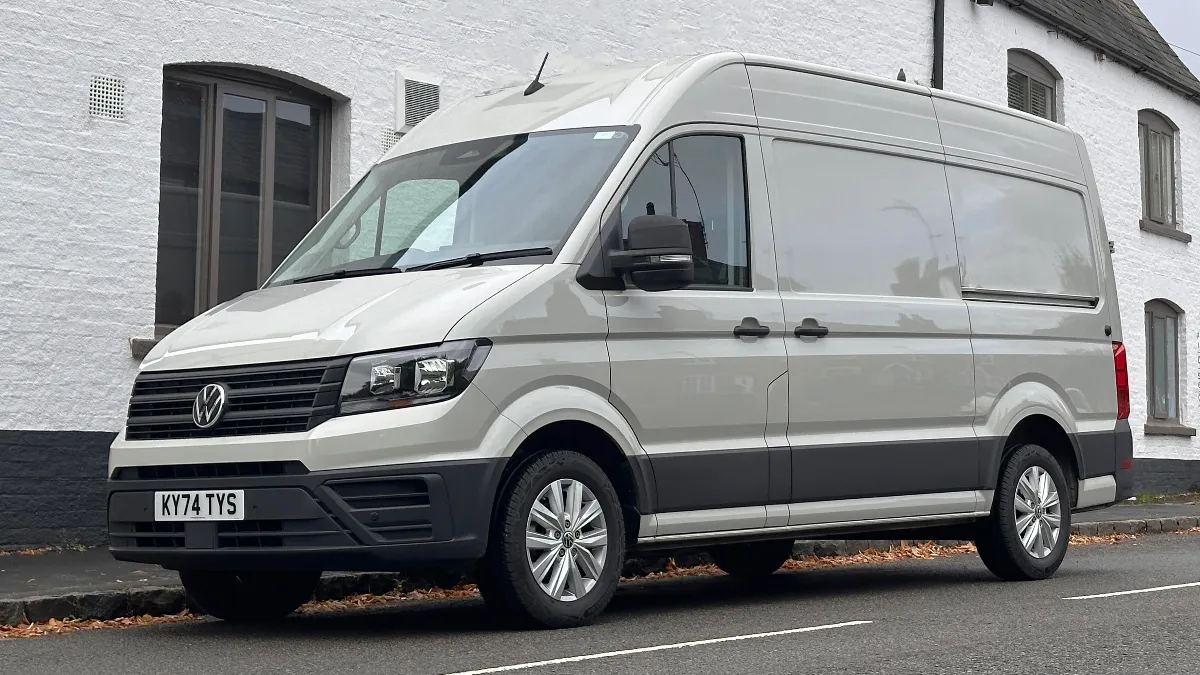
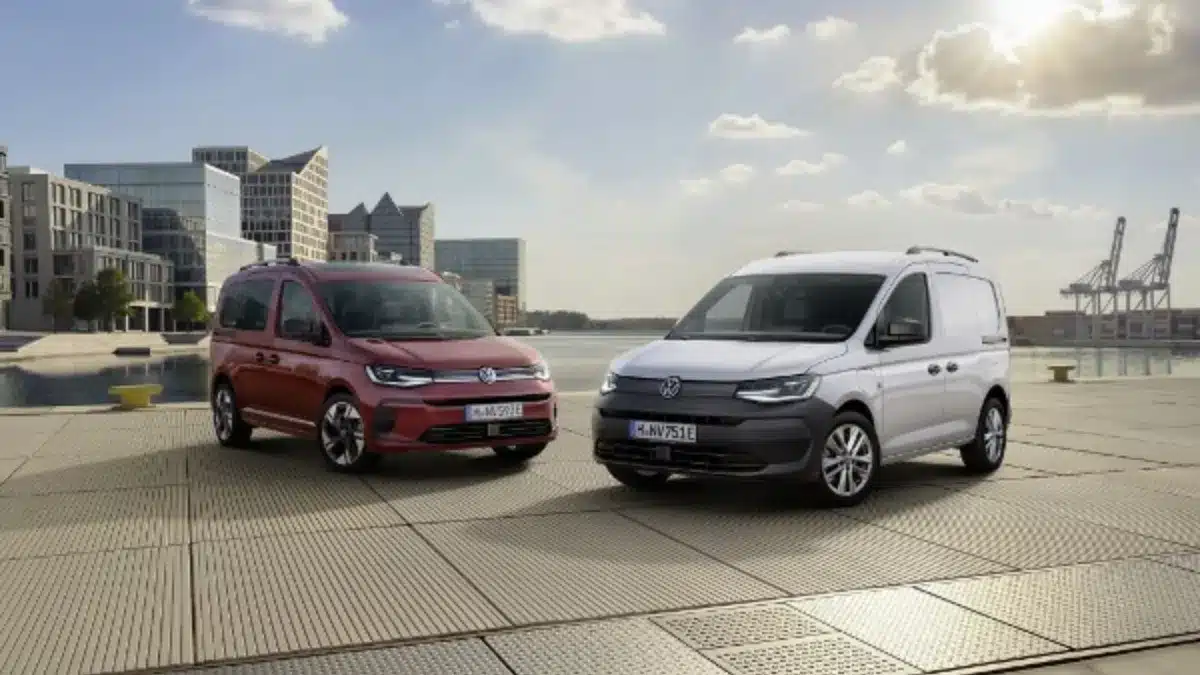
The Letter of Intent (LOI) relating to a European light commercial vehicle collaboration will likely herald the end of the current partnership between Volkswagen and Ford which sees Ford built the Volkswagen Transporter based on the Ford Transit Custom and Volkswagen produce the Ford Transit Connect based on the Volkswagen Caddy. However, no mention of the future of the current arrangement is mentioned in statements from either Ford or Renault.
Using Renault Group's Ampere platform, their electric vehicle manufacturing ecosystem and industrial capacities in the North of France (ElectriCity), it is thought that Ford will add two all-new small electric passenger vehicles to its range.
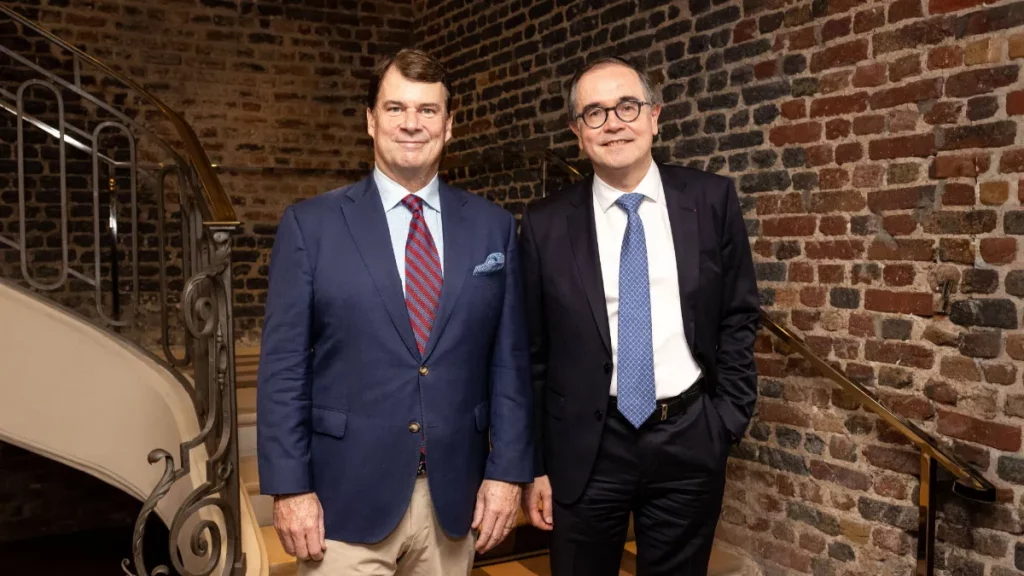
François Provost, CEO Renault Group said (pictured right): "Renault Group is proud to announce a new strategic cooperation with Ford, an iconic car manufacturer. This partnership shows the strength of our partnership know-how and competitiveness in Europe. In the long term, combining our strengths with Ford will make us more innovative and more responsive in a fast-changing European automotive market."

Designed by Ford, developed with Renault Group, it is said the two cars “will feature distinctive driving dynamics, authentic Ford-brand DNA and intuitive experiences”.
The first of the two vehicles is expected in showrooms in early 2028.
"As an American company, we see Europe as the frontline in the global transformation of our industry," said Jim Farley, president and CEO of Ford Motor Company (pictured above, left).
"How we compete here - how we innovate, partner, and invest - will write the playbook for the next generation. We are committed to a vibrant future in Europe, but that future requires us to move with greater speed and efficiency than ever before," Farley said.
"The strategic partnership with Renault Group marks an important step for Ford and supports our strategy to build a highly efficient and fit-for-the future business in Europe. We will combine Renault Group's industrial scale and EV assets with Ford's iconic design and driving dynamics to create vehicles that are fun, capable, and distinctly Ford in spirit," added Farley.
The announcement with the Renault Group builds on Ford's history of successful partnerships in Europe.
Ford Otosan, a joint venture with Koç Holding, is one of the most successful partnerships in the industry. Integrated with Ford's European industrial footprint, Ford Otosan plants are supplied with electric drive units produced in Halewood, UK following a £380 million investment in the plant, and advanced engine technology from Ford's Dagenham plant in the UK.
Our cooperation with Volkswagen is delivering significant contributions to strengthening both our commercial vehicle and passenger car businesses. Ford's current range of electric vehicles from the alliance are produced at its new Electric Vehicle Centre in Cologne, Germany.
At the same time, Ford is evolving its industrial operations in Europe, designed to support the shift to multi-energy vehicles and deliver customer choice. Ford's Valencia plant will continue to play a critical role in realizing Ford's plan for an enhanced passenger vehicle portfolio in Europe.
"Our plan is about unleashing the Blue Oval," said Jim Baumbick, president, Ford Europe. "We are leveraging strategic partnerships to ensure competitiveness, but we are obsessing over the product. These will be fun-to-drive, fully connected vehicles that stand out from the crowd."