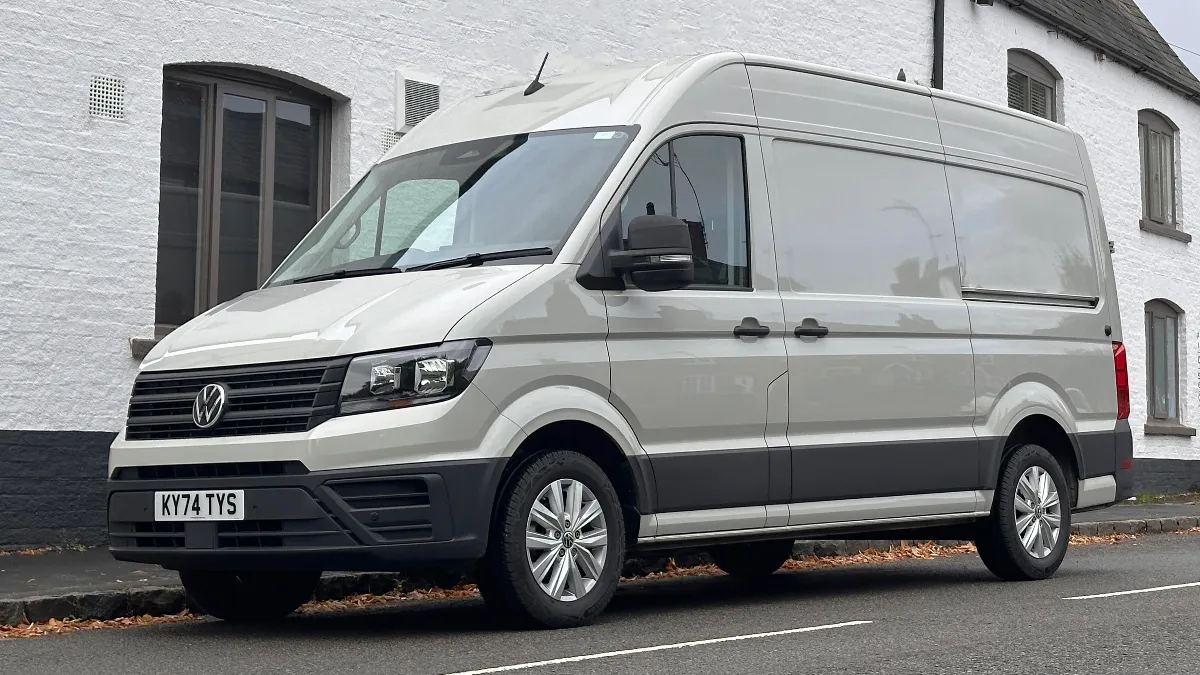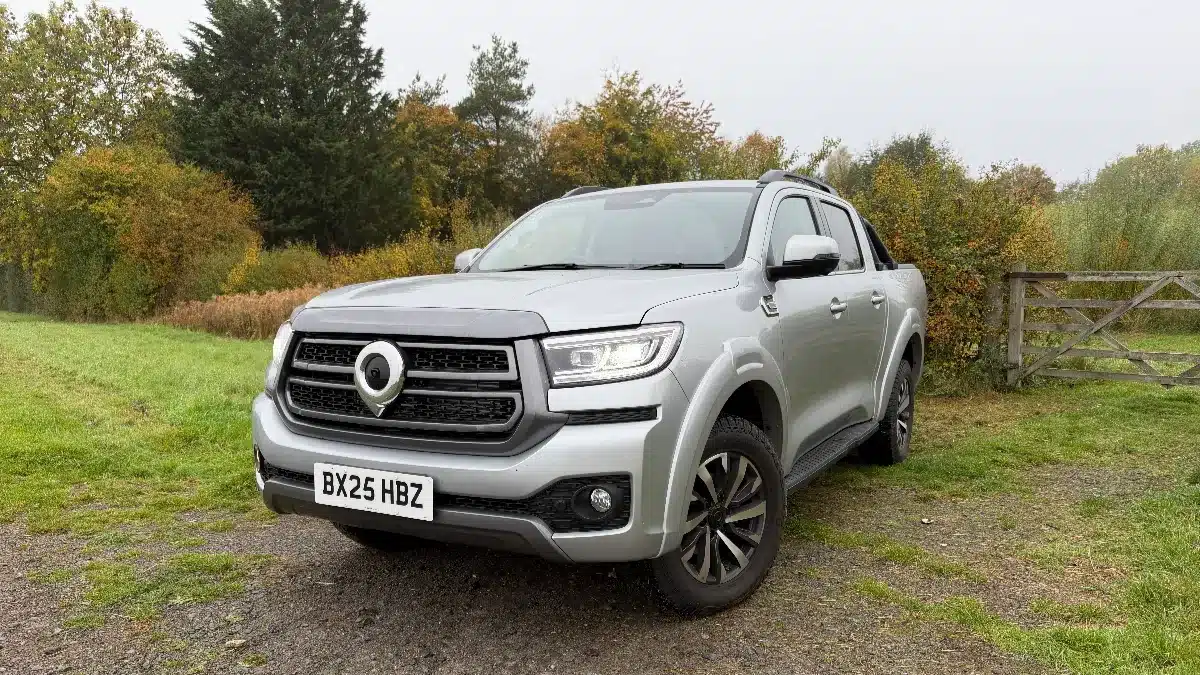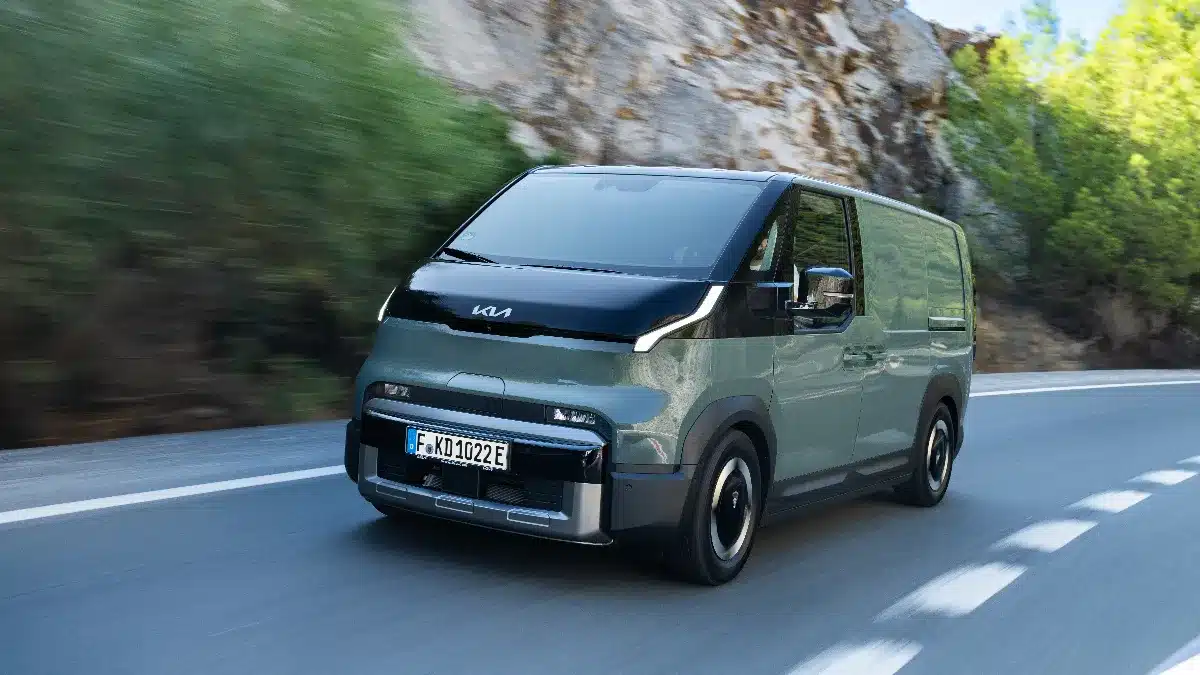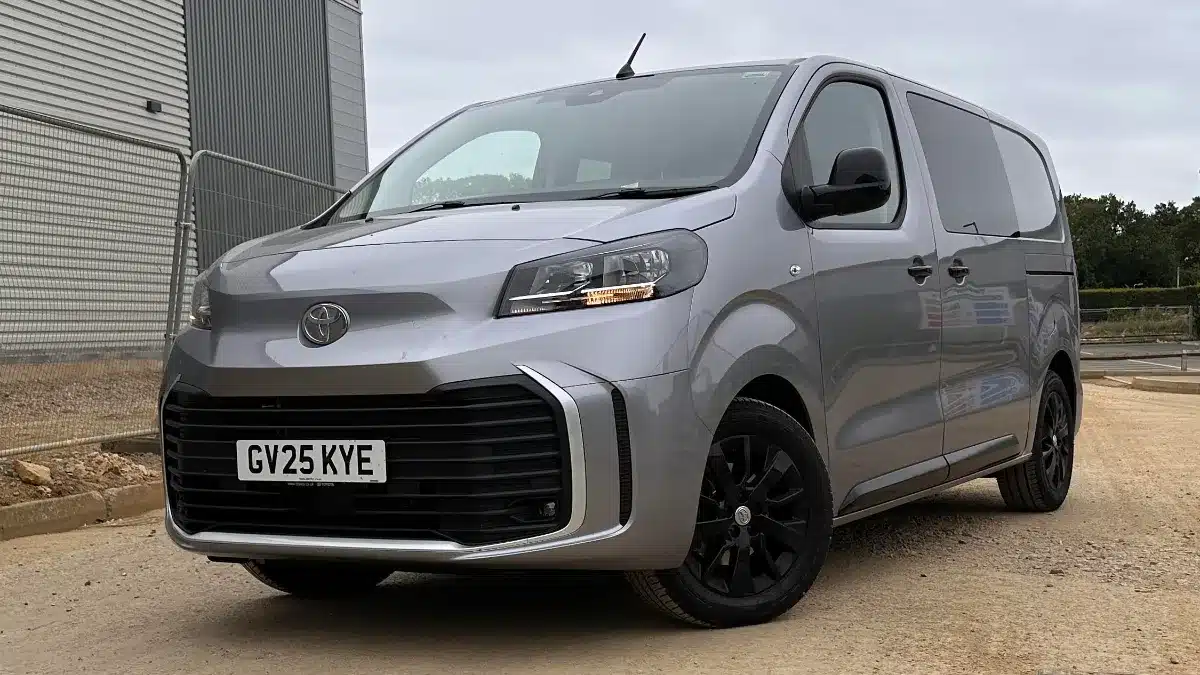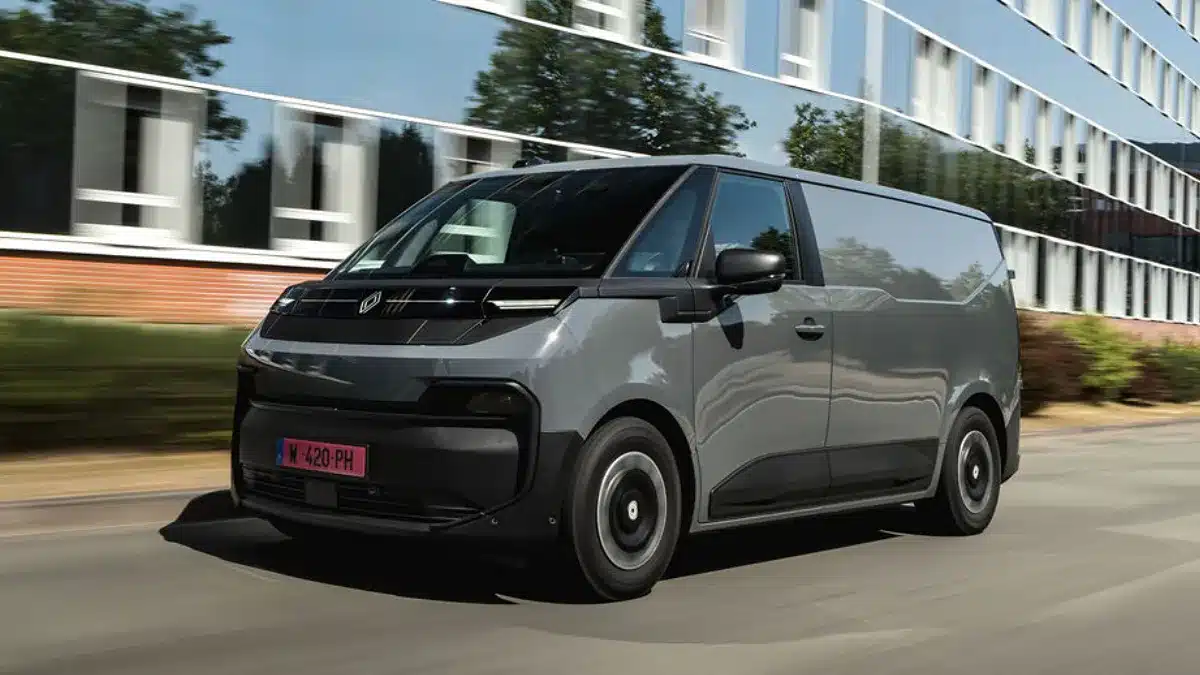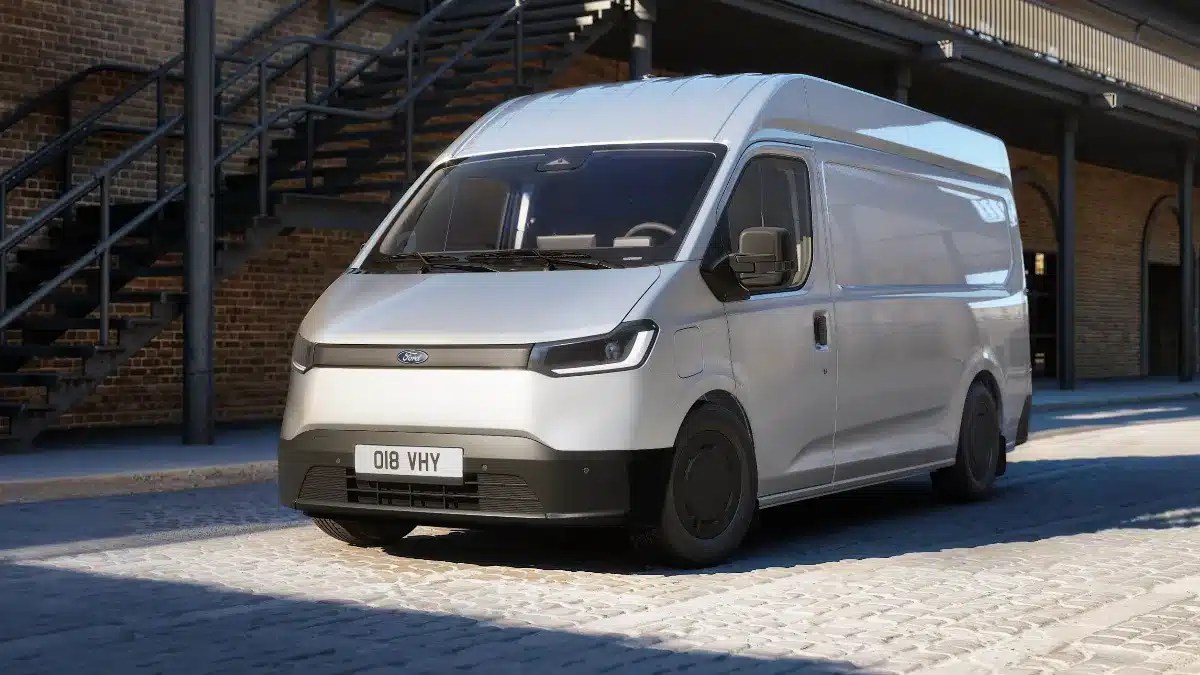

I've not worked at a tech company, but if Silicone Valley was going to give us an electric van I think the Transit City might well be it.
Big tech players have been turning to China and the Far East for assistance since time began. You only have to look at the partnerships developed around Apple's iPhone to realise that China not only provides the technical backbone of the hardware, it also manages the assembly, supply chain and the economies of scale.
Applying all of that logic to a commercial vehicle makes massive sense, even if you are the biggest name in the van industry.
In fact, as the biggest player in the sector it's imperative that you do find and nurture relations and supply chains just like Apple has done with its Taiwanese bestie Foxconn, who build iPhones in China and India.
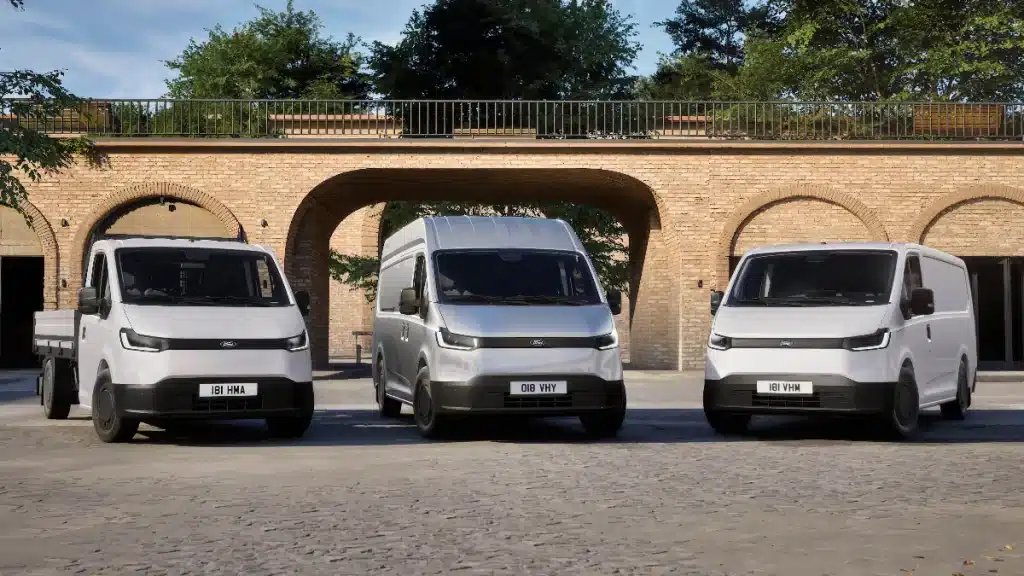
Why does Ford need its own Foxconn then? Well, electrific models are struggling to catch the van buying public's attention and with European and ZEV Mandate targets to hit the potential fines could amount to millions. That's why finding a new way to market is so imporant, and if you can't build your products cheap enough, you need to find someone who can.
Fast fashion, electronic firms and even nut and bolt manufacturers have all turned to the vast labour pool of the Asian economy to drive down costs, spearhead growth and increase their product offerings. Yet the established players in the automotive industry seem to treat it as a one-way street, choosing to do business in Asia, without bringing any of the produce back.
The swathe of Chinese car makers entering Europe has changed people's perceptions and opened the door to some disruptive thinking, the likes of which Bezos, Musk and Zuckerberg would be proud.
In fact, everything about the Transit City seems right out of the tech giant's playbook. There's a one-size fits all approach to the motor power and interior equipment, simplifying the build process and increasing economies of scale. That's like the latest camera phone release all having the same processor and materials.
Some people like there phones small, some people like them big. So, it makes sense that there's important differentiation in what matter's most to users - namely size, which impacts usability - with the two different L1H1 and L2H2 body sizes.
Then there's the flexible approach to custom bodies, a bit like the accompanying range of purpose-built accessories released to coincide with a new handset launch.
And finally, and perhaps most importantly, the battery is a deliberate down-speccing of what people have come to expect in order to lower the price point and challenge downwards in a market that is increasingly pushing upwards in price. Think iPhone SE or the latest MacBook Neo.
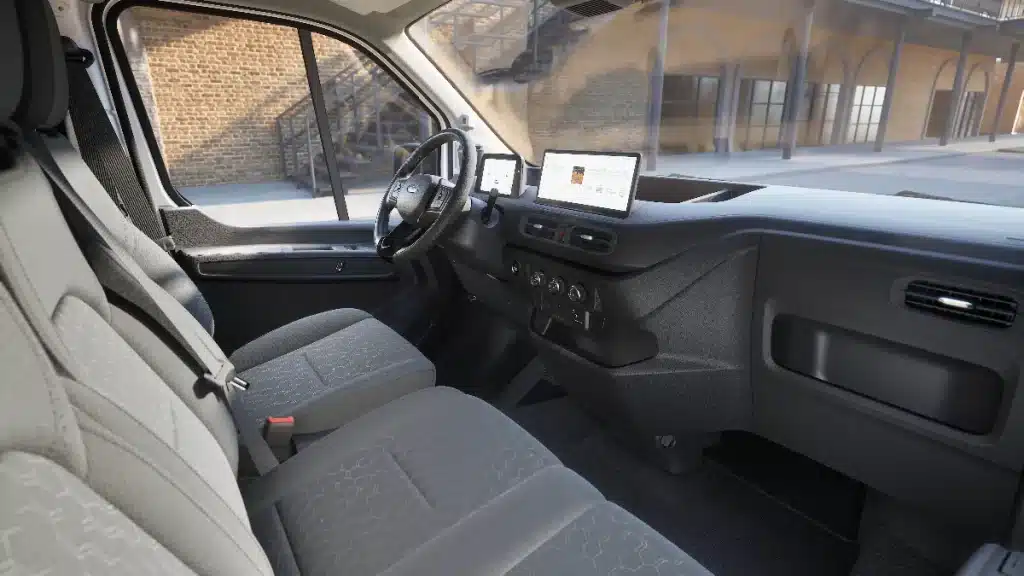
Ford seems to have looked at and adapted the succesful product portfolio expansion methods being adopted by some of the world's biggest companies and applied it to an area where they and others have been struggling. It's grasped the nettle and created a more affordable solution to the looming problem of electrification in commercial vehicles.
Expanding its partnership with JMC beyond China is a power move, and one that only a company confident in their own brand, reputation and products can pull off.
The proof will be in the driving and the sales. But on paper, and in person, the Transit City feels like a powerful push at securing signifcant market share in the electric van space. It's a move that I think will prove to be immensely important.