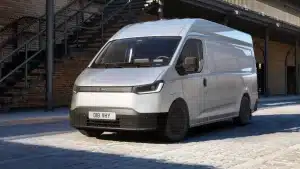
If you are looking at the EVC CitySprint as a compact electric workhorse for urban deliveries, one of the biggest questions is whether it is actually big enough for the job.
This guide covers the EVC CitySprint dimensions, including its overall size, width, height and body style options, as well as what that means in the real world for city-based operators. While the CitySprint is much smaller than a conventional van, it has been designed to make the most of its footprint and offer practical carrying ability for courier work, facilities support and last-mile logistics.
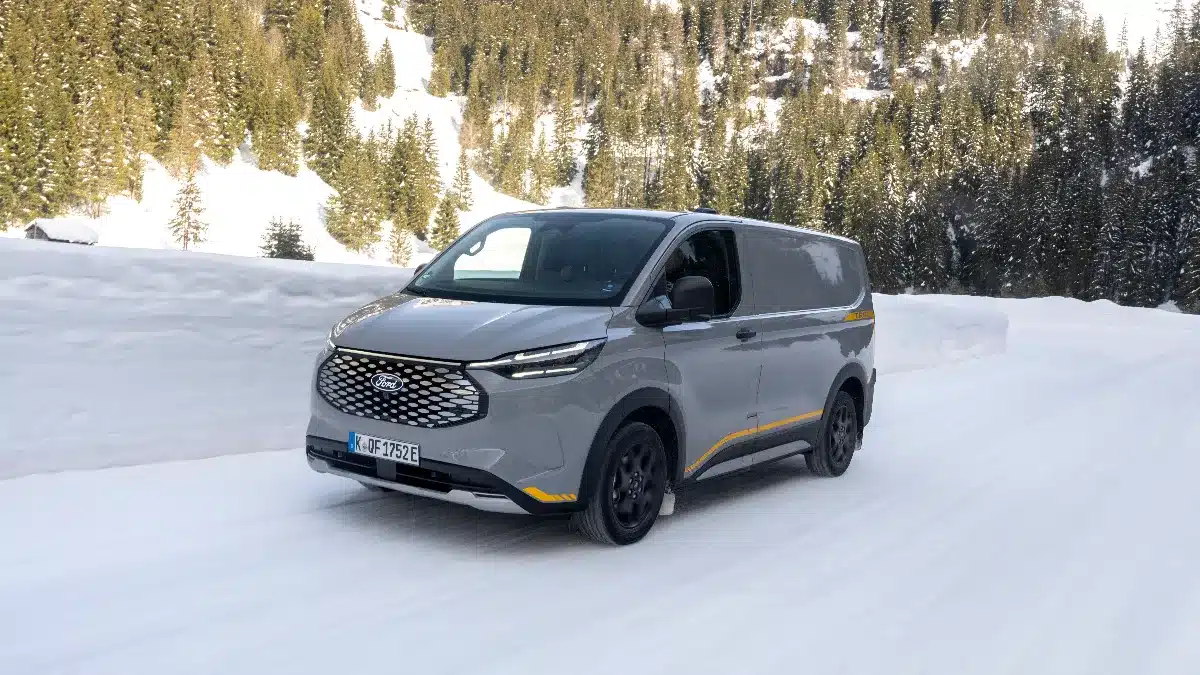
Unlike a traditional light commercial vehicle, the CitySprint sits in the L7e heavy quadricycle class, which means it has a very different design brief to a Ford Transit Courier, Renault Kangoo or even a compact electric van such as the Citroen e-Berlingo. It is narrower, lighter and more tightly focused on short-range urban use.
That means the dimensions matter even more.
The EVC CitySprint is built around compact city use, with a footprint intended to help operators work more easily in urban streets, tight loading bays and low-speed stop-start delivery environments.
Officially, the vehicle is available in a number of different body styles, so exact dimensions can vary depending on the version chosen.
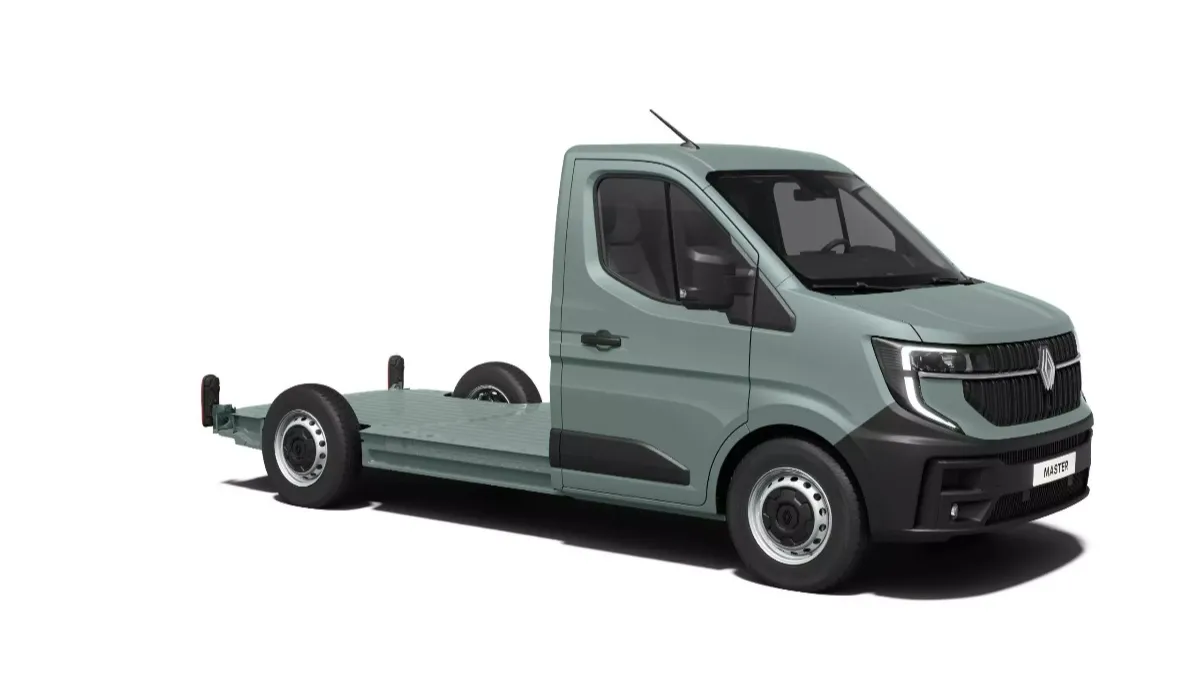
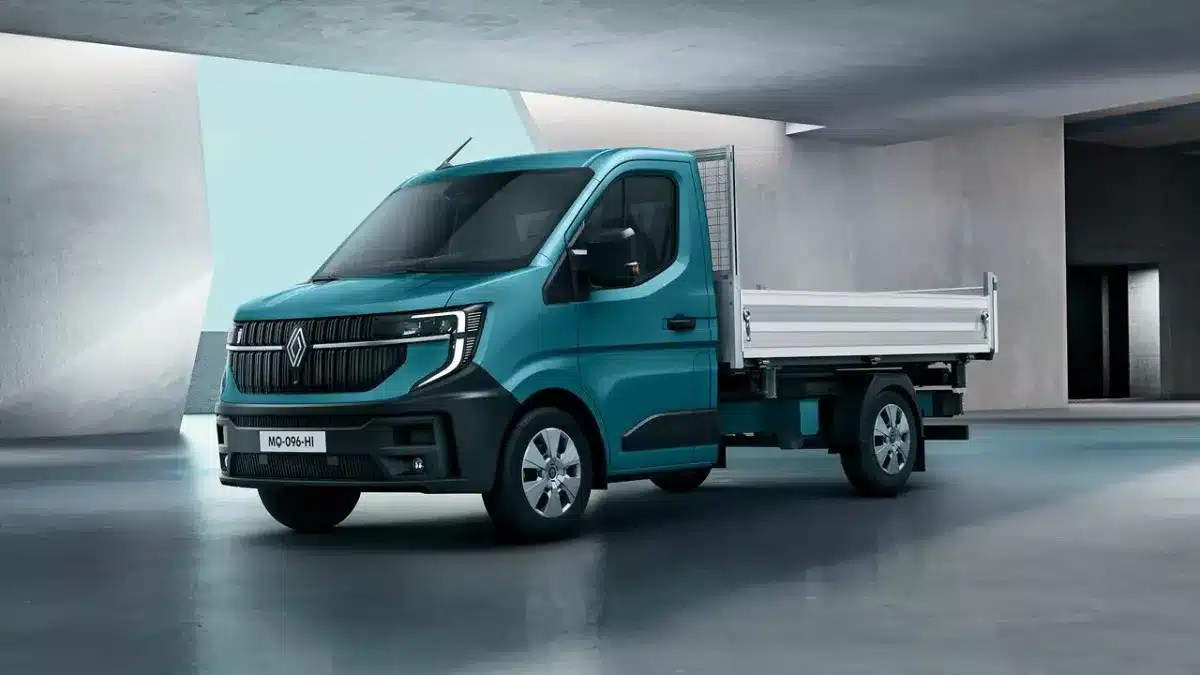
The range includes panel van, pickup, tipper, box van and chassis cab derivatives.
| EVC CitySprint | Dimensions |
|---|---|
| Overall length | 3,700 mm |
| Length (flatbed) | 3,600 mm |
| Overall width | 1,440 mm |
| Width (including mirrors) | 1,735 mm |
| Overall height | 1,800–2,100 mm |
| Wheelbase | 2,495 mm |
| Ground clearance | 160 mm |
| Turning radius | 5,500 mm |
| Track (front) | 1,145 mm |
| Track (rear) | 1,195 mm |
These figures tell you a lot about what kind of vehicle the CitySprint is. It is not designed as a motorway van or a direct replacement for a mainstream one-tonne panel van. Instead, it is aimed at operators who need a compact urban delivery vehicle with low energy use and straightforward charging.
From a dimensions point of view, that means the CitySprint is most useful when judged not against larger vans, but against what you actually need to carry in a city environment.
The overall EVC CitySprint length depends on which body style you choose.
That matters because the CitySprint range is not a single van with a single roof and wheelbase layout. Instead, it is offered in multiple formats, including a conventional enclosed van and more specialist utility versions. As a result, the total length can vary according to how the rear body is configured.
| EVC CitySprint Length | Dimensions |
|---|---|
| Overall length | 3,700 mm |
| Flatbed length | 3,600 mm |
In practical terms, the CitySprint’s compact overall length is one of its biggest strengths for operators working in congested city centres.
Compared with a traditional compact van, the CitySprint is intended to feel much less bulky and more manoeuvrable so if your daily routes involve tight turns, frequent stops and limited parking space, overall length can be just as important as payload.
The EVC CitySprint width is another major part of its appeal. A narrow vehicle is particularly useful in city driving because it makes it easier to: squeeze into loading areas and navigate older urban road layouts.
That is especially important in towns and cities where many deliveries still take place on roads never designed for modern commercial traffic.
Because the CitySprint is aimed squarely at urban use, its width is part of what defines it as a micro-logistics vehicle rather than a conventional van. It is intended to occupy less road space and be less intimidating to drive than a larger panel van.
| EVC CitySprint Width | Dimensions |
|---|---|
| Body width | 1,440 mm |
| Width including mirrors | 1,735 mm |
If you are comparing EVC CitySprint dimensions with something like a Ford Transit Courier or Vauxhall Combo Cargo, width is one of the biggest areas where this vehicle’s urban-first design becomes clear.
The EVC CitySprint height will also depend on the body style selected.
That matters because some versions are more focused on cargo enclosure and vertical load space, while others are designed for open-back utility work. A box-bodied or enclosed van derivative will naturally prioritise usable cargo height more than a pickup or chassis-based derivative.
| EVC CitySprint Height | Dimensions |
|---|---|
| Overall height (range) | 1,800–2,100 mm |
The EVC CitySprint load area dimensions will vary according to the version you choose, and this is where body style matters most.
Unlike a normal panel van sold in short wheelbase and long wheelbase forms, the CitySprint range is more modular in concept. That means your usable cargo dimensions depend heavily on whether you choose:
| Wheelbase | Measurement |
|---|---|
| Wheelbase | 2,495 mm |
The panel van version is the most likely choice for parcel and general cargo delivery. This is the version most directly comparable with a conventional enclosed van, giving operators weather protection and secure load carrying.
The box van is likely to offer the most cubic carrying capacity in the range. This version should suit operators prioritising volume over awkward open-bed loading.
The pickup is more relevant for businesses carrying loose tools, bags, crates or materials that need open access rather than enclosed storage.
The tipper version is aimed more at landscaping, maintenance and light site work, where ease of unloading matters more than pure cargo security.
The chassis cab opens the door to specialist conversion work, which could include bespoke local delivery or utility applications.
When looking specifically at EVC CitySprint load bed dimensions, this is most relevant to the pickup, tipper and chassis-based variants.
For these versions, load bed usability is arguably more important than total vehicle size.
The EVC CitySprint load bed area will again vary depending on body style, but this is one of the most useful ways to judge whether the vehicle suits your business.
The EVC CitySprint dimensions vary depending on body style, as the range includes panel van, pickup, tipper, box van and chassis cab versions.
The EVC CitySprint is designed as a compact urban commercial EV, meaning it is smaller and lighter than a conventional electric van.
The EVC CitySprint has a quoted payload of between 500kg and 600kg, depending on specification.
The range includes panel van, pickup, tipper, box van and chassis cab variants.
Yes. The EVC CitySprint has been designed primarily for urban delivery and micro logistics, with a compact footprint, a 120-mile claimed range and domestic socket charging capability.
The turning radius is 5,500 mm, making it highly manoeuvrable in urban environments.
The EVC CitySprint is 3,700 mm long, or 3,600 mm in flatbed form.
The EVC CitySprint is 1,440 mm wide, or 1,735 mm including mirrors.
The wheelbase is 2,495 mm.
Height ranges from 1,800 mm to 2,100 mm depending on configuration.