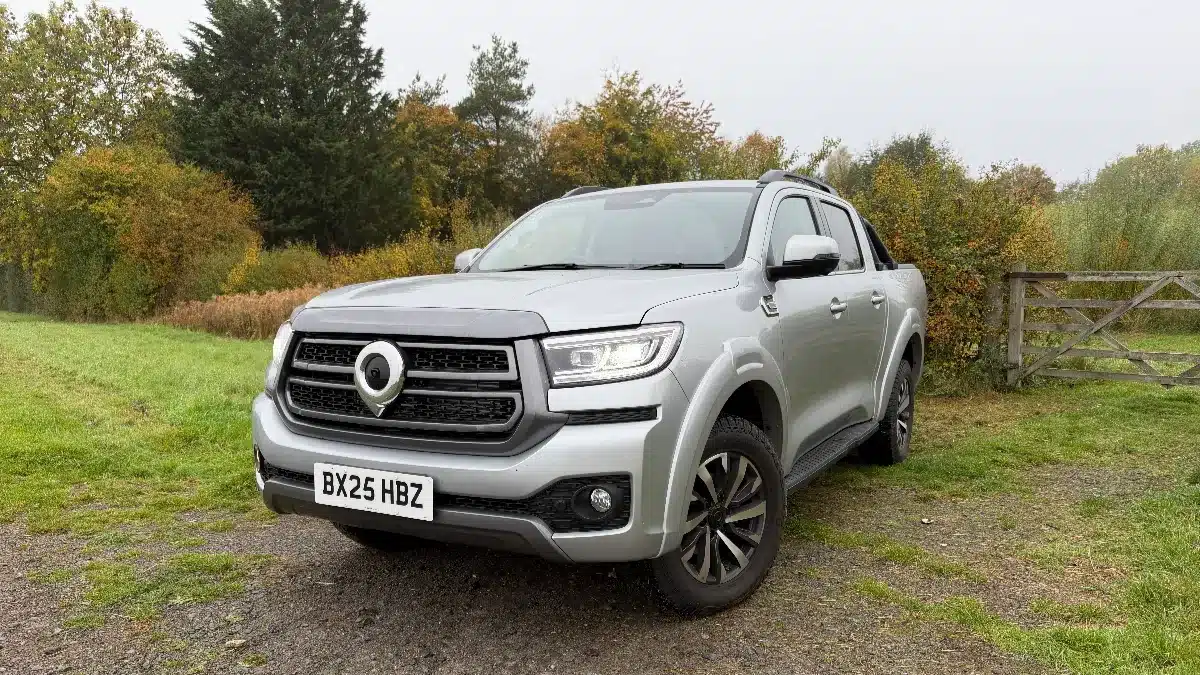
No, the cat, hasn't just run over the keyboard, the GWM POER300 really is the name of a pick-up truck. It's the second installment of Chinese manufacturer Great Wall Motor's pick-up truck ambitions.
The POER300 follows in the footsteps of the Great Wall Steed, a bare bones, utilitarian pick-up truck which landed on these shores last decade and which earned itself a less than favourable reputation as a cheap Chinese truck.
Back for a second bite of the cherry, and now going under GWM rather than Great Wall Motors, the POER300 is a more grown-up truck that on the face of it seems more suited to the European market than its predecessor.
Tax changes that have made opting for a company double-cab 4×4 pick-up rather than a company car far less appealing for employees are causing major upheavals in the pick-up sector.
Fancy paint finishes and off-the-wall graphics are increasingly being sidelined. Instead, all-wheel-drive pick-ups are gradually reverting to the role for which they were originally intended – as working tools for users who need to take equipment off-road to fix everything from broken fences around far-flung fields to faulty electricity pylons.

It is to this market that old-established vehicle importer International Motors (IM) is hoping to appeal with the launch of the GWM POER (pronounced ‘power’) 300 four-door five-seater double-cab.
GWM who? The initials denote Chinese manufacturer Great Wall Motor, best-known in the light commercial business for the Great Wall Steed double-cab, which was launched in the UK a dozen or so years ago.
POER300 is propelled by a 184hp / 480Nm 2.4-litre diesel engine with a variable geometry turbocharger, married to a nine-speed automatic transmission. No manual variant is offered, and IM has no plans to introduce the newcomer with a two-door single or extended cab. Double-cabs account for 97% of the market, it points out, with 86% equipped with automatic gearboxes.
Nor is there any talk (as yet) of battery-electric, hybrid or hydrogen fuel cell models. Concentrating solely on diesel risks falling foul of the government’s Zero Emission Vehicles (ZEV) mandate, and incurring heavy fines. However, IM appears to be content for the moment to keep sales below 2,499 registrations a year. Sell more, and financial penalties are triggered.

Its initial annual target is around 1,600 registrations, and it is hoping to take advantage of allegedly restricted availability of diesels from manufacturers whose high yearly sales volumes potentially expose them to substantial ZEV levies.
POER300’s gross payload capacity is just over a tonne, and the truck can tow a braked trailer grossing at 3.5 tonnes.
Three trim levels are up for grabs: entry-level Lux, Ultra and top-of-the-range Vanta. Despite the fact that IM’s latest offering is being promoted as a workhorse, the specification levels are reasonably generous.
All versions boast an infotainment system with a 12.3-inch touchscreen. Provided too are a 7-inch driver information display, wireless Apple CarPlay and Android Auto, a wireless phone charging pad, rear parking sensors, exterior mirrors that fold in automatically and an extensive list of onboard driver assistance and safety features.
Including seven airbags, the line-up has proved comprehensive enough to win the truck a five-star NCAP safety rating.
Move up to Ultra from Lux and the features also include a heated steering wheel, power-adjustable, heated and ventilated driver and front passenger seats, front parking sensors, an electric sunroof and a 360-degree surround-view camera. All the seats are trimmed in leather rather than the leatherette employed in Lux.
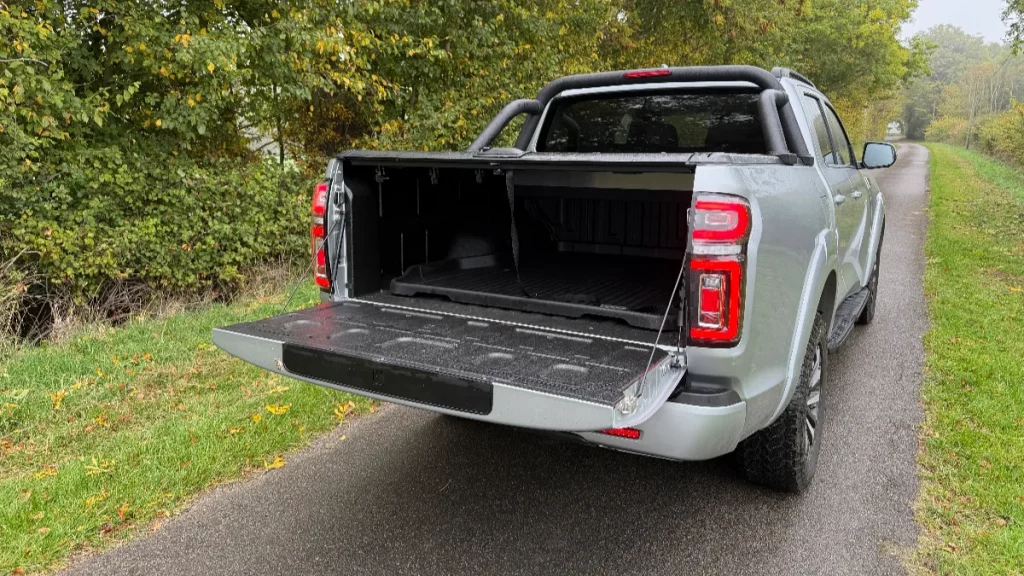
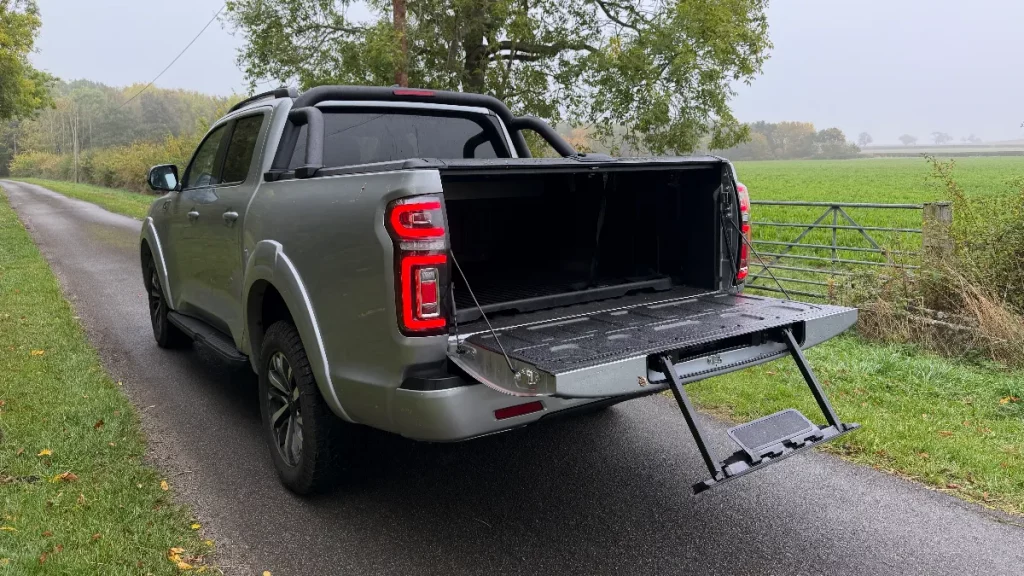
The big benefit of opting for Ultra, however, is being able to use what is without doubt one of the cleverest features we’ve seen on a light commercial in many a long year. Fold down the tailboard and you will discover that its top edge incorporates a 150kg capacity pop-out step which allows you to climb onto the cargo bed with ease. No need for an undignified scramble and the risk of a fall.

Vanta gets the step too, plus a reasonably subtle exterior cosmetic treatment, including black wheels, black side-steps and a black front grille. It is all fairly restrained by comparison to some of the whackier styling treatments we’ve seen pick-ups undergo in the recent past.
Four-wheel-drive is selectable, and you can resort to either a high (4H) or a low (4L) ratio set of gears when you go off-road. The former cuts in automatically on loose surfaces. A rear diff lock is fitted, and the truck boasts a cleverly devised mechanism that should stop transmission wind-up if you accidentally drive in 4L across a surface that turns out to have ample grip. Ground clearance is 232mm.
Once you are back on ordinary roads you can take your pick from three different driving modes – Standard, Sport or Economy.
Apart from an odd squeaking sound when trickling through town centres and a high-pitched whistle at speed (most likely from the turbocharger), the POER300 we drove stayed commendably quiet. The transmission delivered power smoothly, without constantly hunting up and down for a different gear, and the suspension coped adequately enough with the usual lamentable collection of British potholes.
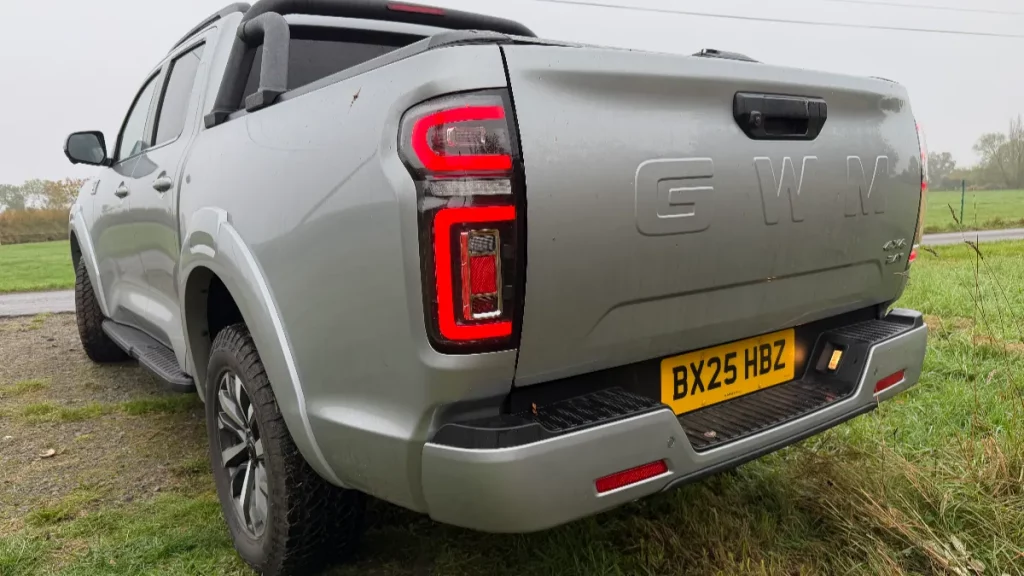
There’s plenty of performance under your right foot should you need it, particularly in Sport mode. POER300 handled competently for a 4×4 pick-up, with no lurching or other wayward movements as we swung it through bends.
Off-road the POER300 is a capable little truck. The 4H setting proved more than capable of dealing with almost all the slippery ascents and descents and deeply rutted tracks we encountered, with 4L and the rear diff lock only having to be resorted to once.
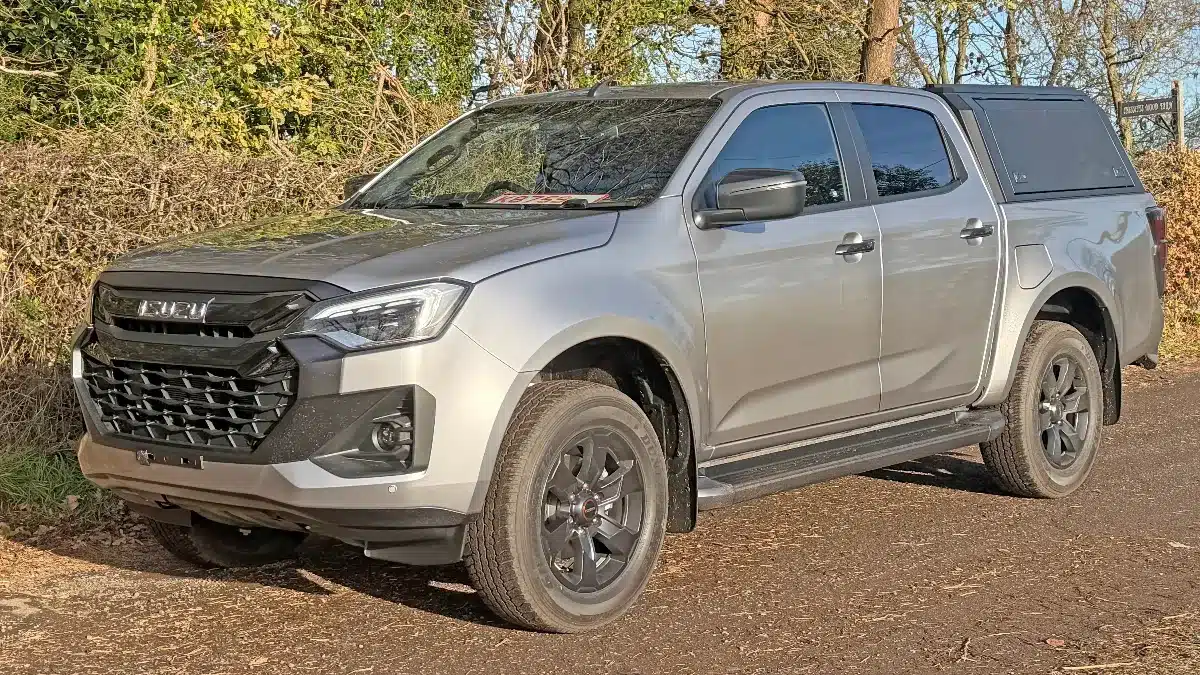
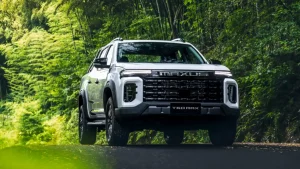
IM is aiming POER300 at business buyers who might otherwise be tempted by KGM’s Musso or the Maxus T60 Max. One suspects that it won’t wish to steal too many sales from Isuzu’s D-Max given that it is also the Isuzu pick-up importer.
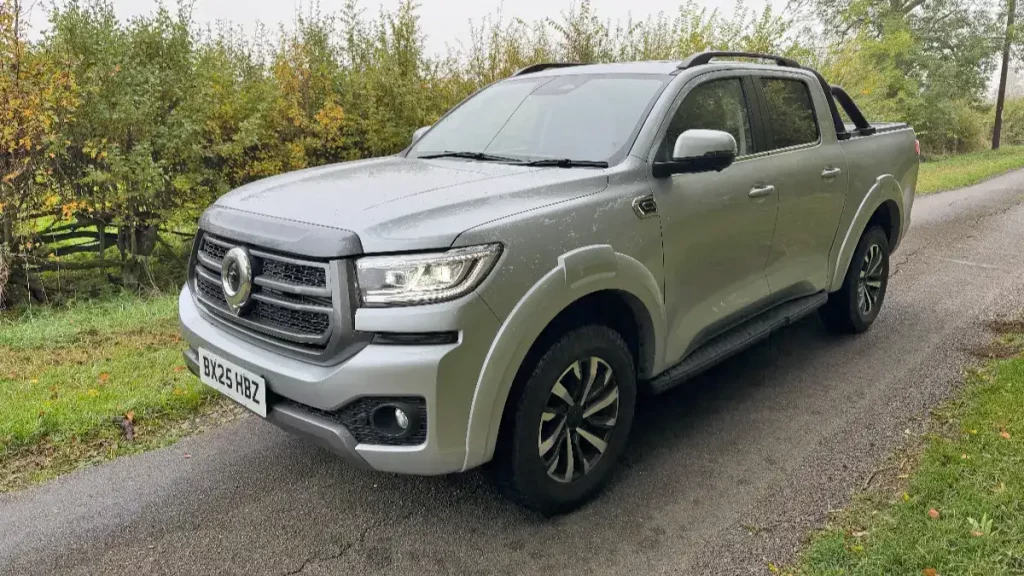
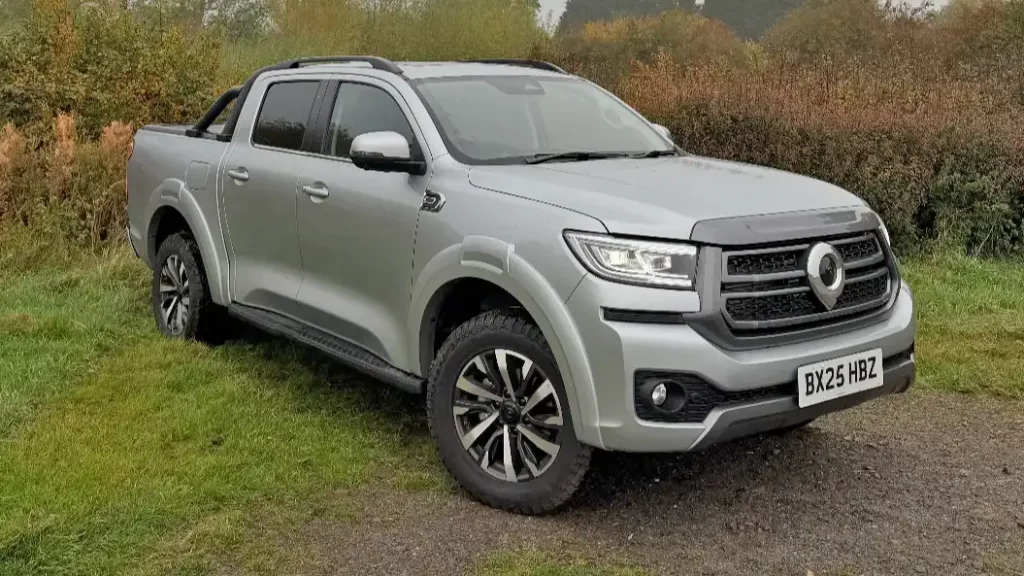
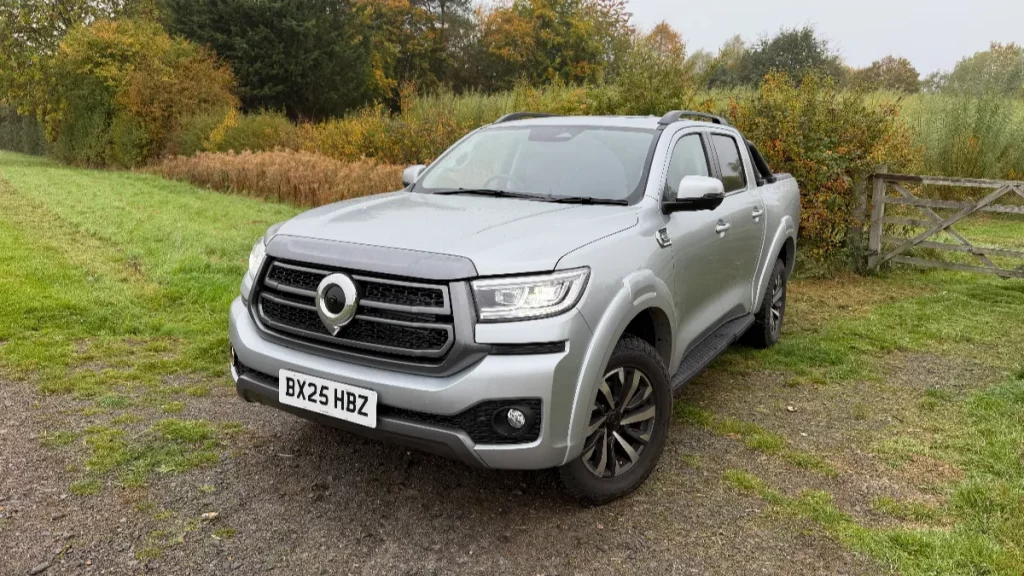
Priced from £31,495 to £36,830, the newcomer is priced competitively, and should be comparatively fuel-frugal. It is covered by a five-year / 125,000-mile warranty while service intervals are set at one year / 12,000 miles.
Eighty GWM dealers should be in place by the end of the year, says IM. Buyers who might otherwise be wary of obtaining a vehicle with an unfamiliar badge are likely to be reassured by its pedigree as a distributor.