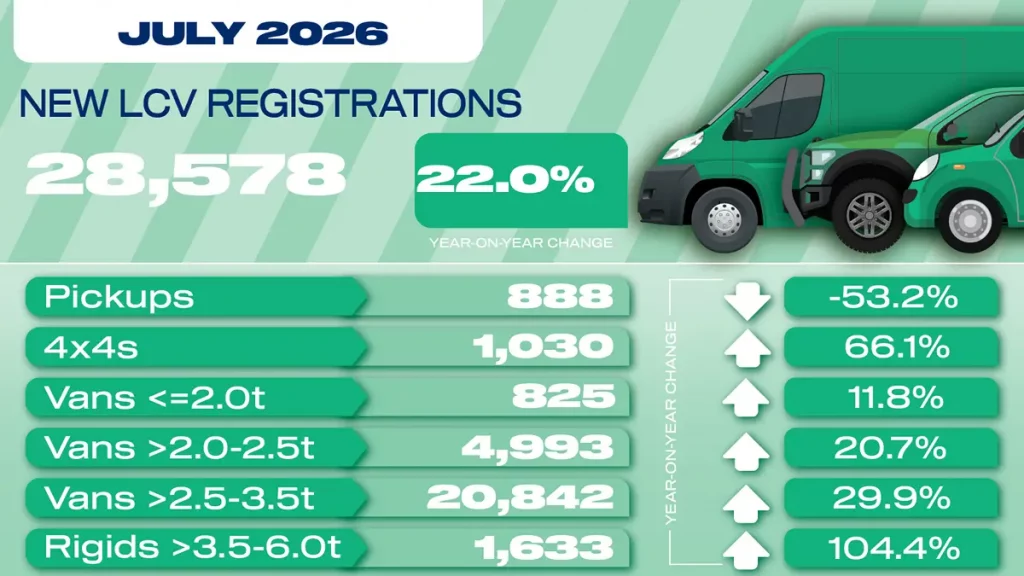
The UK’s new van market continued its recovery in July, with registrations rising by 22% to 28,578 units, marking the fourth consecutive month of growth.
Latest figures from the Society of Motor Manufacturers and Traders (SMMT) show that 187,226 new light commercial vehicles have been registered so far this year, up 4.3% compared with the same period in 2025.
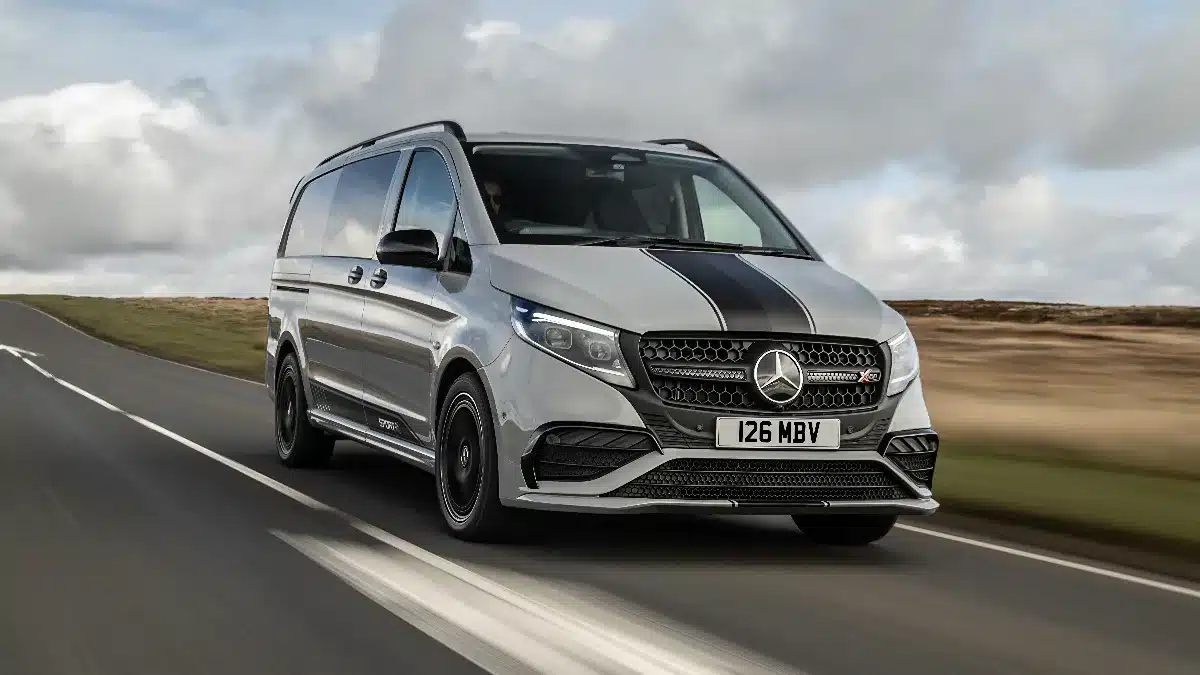
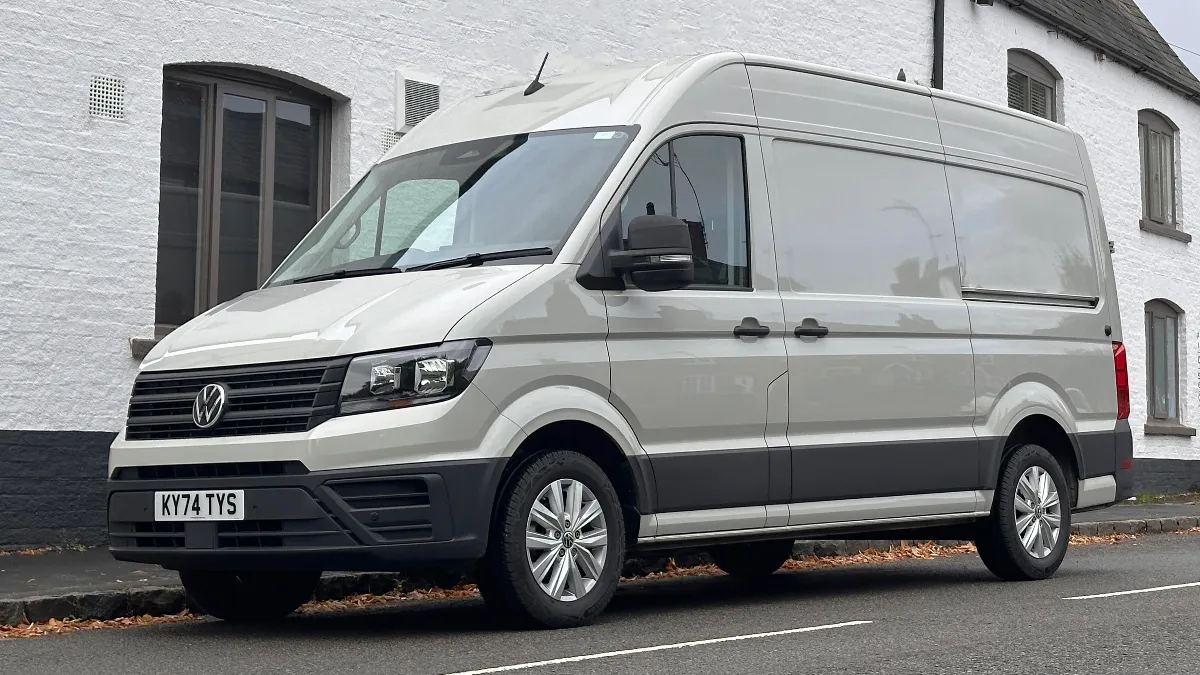
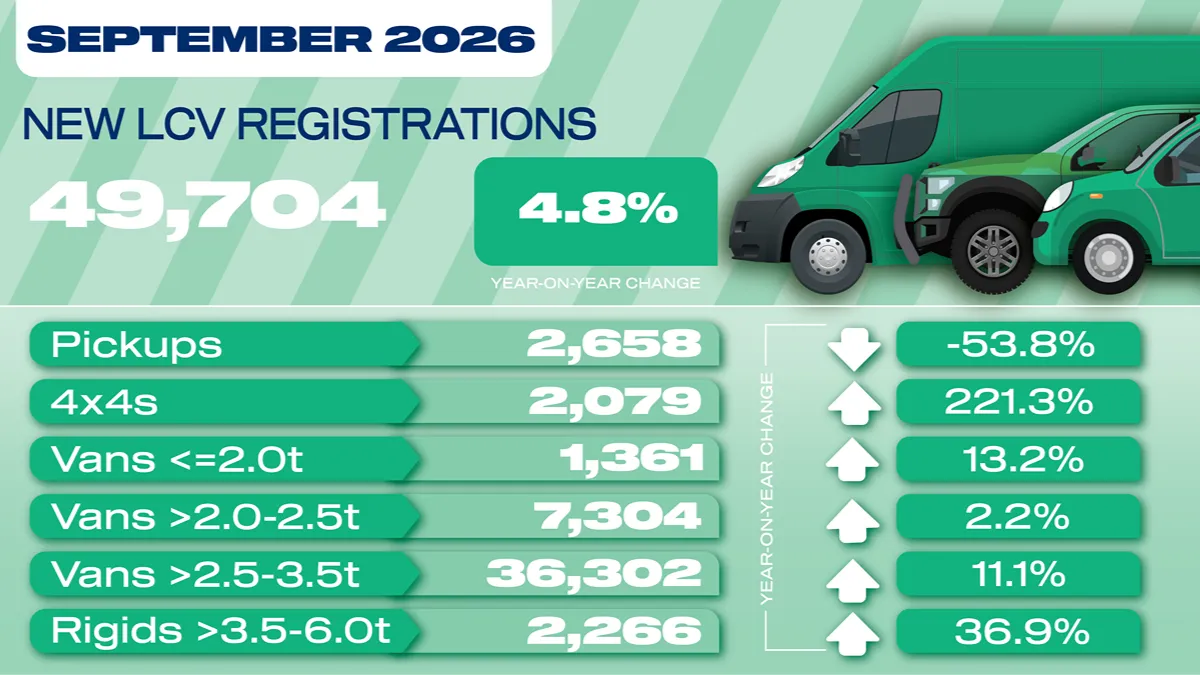
The strongest performers were large vans, where registrations jumped 29.9% to 20,842 units, reinforcing the sector’s position as the backbone of the UK van market. Medium vans also enjoyed a healthy month, increasing 20.7% to 4,993 units.
Small vans were up 11.8% to 825 registrations, while demand for 4x4 commercial vehicles surged 66.1% to 1,030 units.
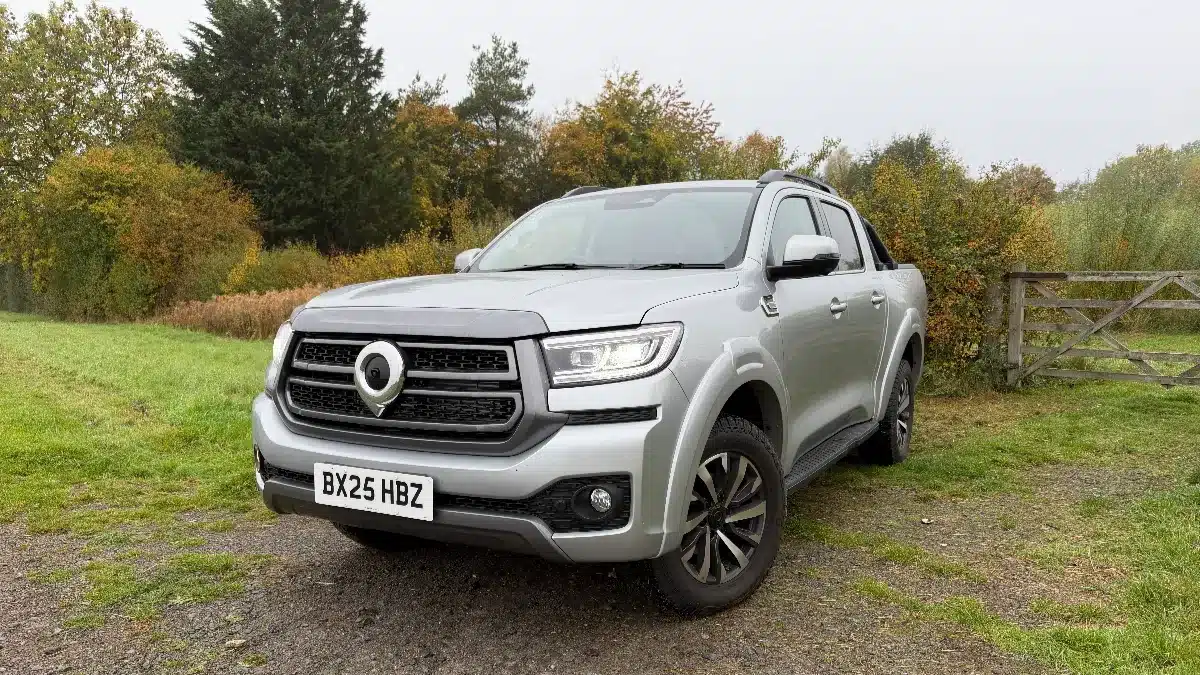
The only significant casualty remains the pick-up sector. Registrations of new pick-ups fell for a tenth consecutive month, dropping 53.2% to just 888 vehicles. They now account for only 3.1% of the overall LCV market.
The decline continues to be driven by the government’s decision to reclassify most double-cab pick-ups as company cars for Benefit in Kind taxation and capital allowances. The change has significantly reduced their appeal to many business users and company fleets.
The SMMT has again called on the Government to reverse the policy, arguing that pick-ups remain essential working vehicles for many industries and that removing the tax penalty would encourage businesses to replace older vehicles with newer, cleaner models.
There was better news for the electric van market.
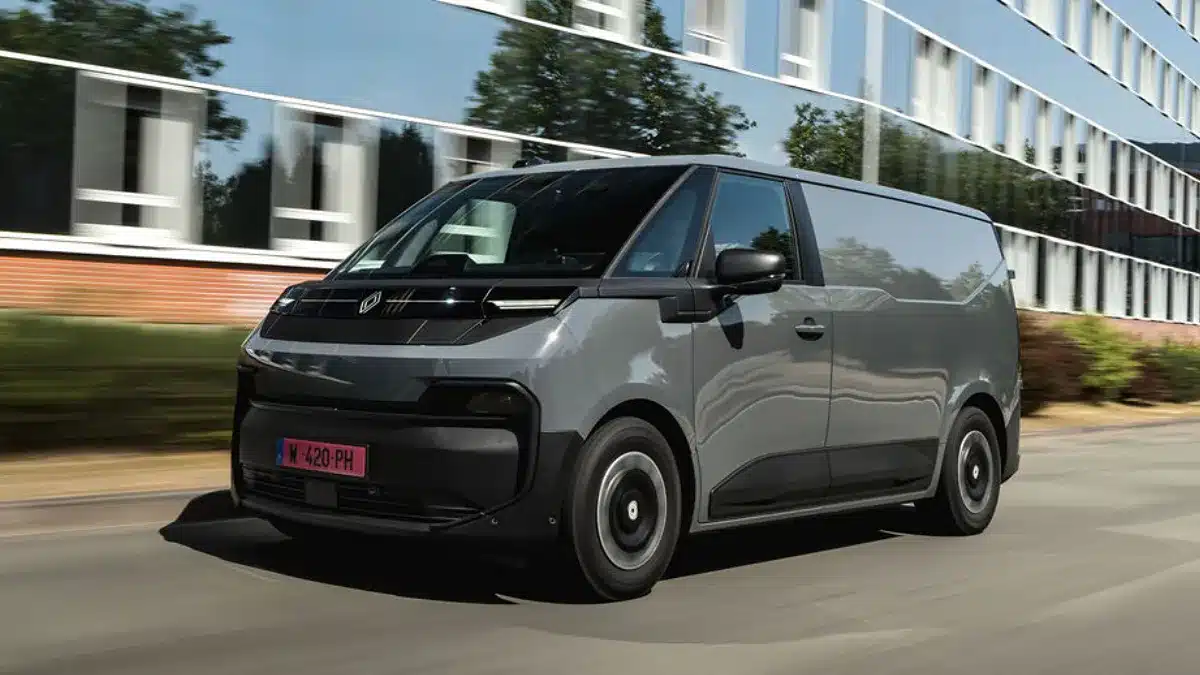
Battery-electric van registrations increased by 74.1% during July, representing the strongest monthly performance since August 2025.
Electric vans captured a record 14.7% share of the monthly market, while year-to-date market share has reached double figures for the first time at 10.6%.
While those figures represent clear progress, they remain well behind the Government’s Zero Emission Vehicle (ZEV) Mandate target, which requires 24% of new van registrations this year to be zero emission.
Despite the recent momentum, the SMMT believes the market is unlikely to maintain its current pace for the remainder of the year.
Its latest forecast predicts total 2026 registrations will reach around 316,000 units, representing overall growth of just 0.2% compared with 2025.
Electric van registrations are expected to continue growing faster than the overall market, but adoption is still forecast to trail the Government’s ambitions by around two years. BEVs are predicted to account for 11.5% of registrations next year, rising to 15.9% in 2027.
According to the SMMT, the main barriers remain unchanged. Higher purchase prices, limited public charging infrastructure and increasing cost pressures on operators continue to make the switch difficult for many businesses.
The organisation is again calling for reforms to the ZEV Mandate, alongside measures to improve charging infrastructure and create stronger financial incentives for fleet operators.
SMMT Chief Executive Mike Hawes said: “Continued van market growth shows operator resilience and sustained sector investment, while record battery electric van uptake is encouraging, proving businesses will switch if business conditions are right."
“However, multiple barriers are constraining the market – high capital expenditure costs, infrastructure challenges and, for pick-ups, fiscal disincentives. Rapid revisions to regulation and taxation are required urgently to spur the commercial vehicle fleet renewal essential to the achievement of net zero.”