Van drivers in London are set to face a new generation of speed enforcement cameras as Transport for London (TfL) and the Metropolitan Police begin trialling radar-based systems.
The new cameras are due to be installed over the coming weeks at up to 10 locations across the capital and will replace older spot-speed systems.
New cameras will be installed at selected sites in Haringey, Tower Hamlets, Havering, Croydon, Hammersmith and Fulham, Brent, Hackney, Ealing and Sutton.
All of the locations are on 20mph or 30mph roads and have been chosen based on road safety risk and site suitability.
TfL says the move is part of a wider effort to modernise London’s speed enforcement network, with excess speed continuing to play a major role in serious and fatal road collisions.
According to the authority, around half of all fatal collisions in London in 2024 recorded speed as a contributory factor.
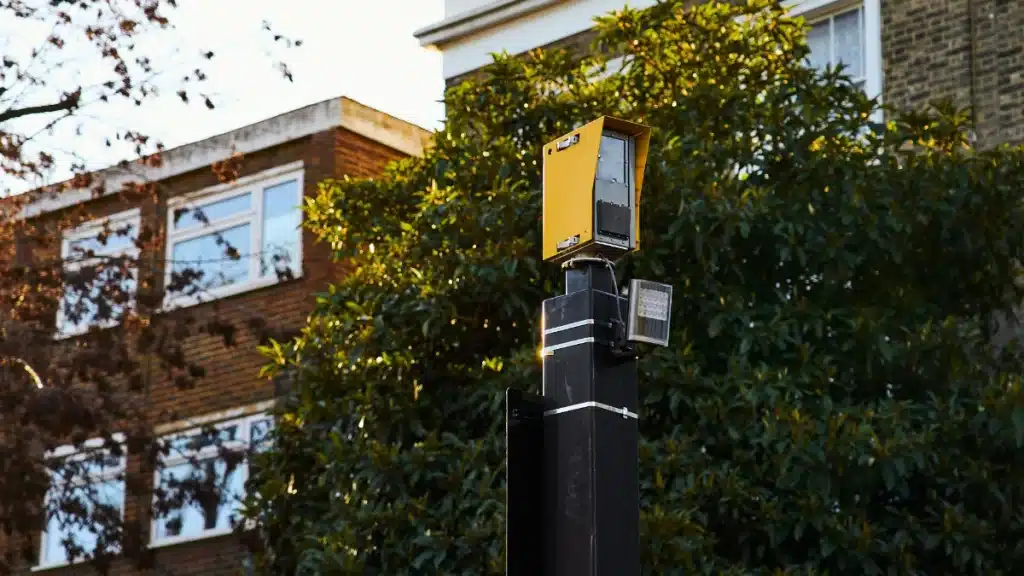
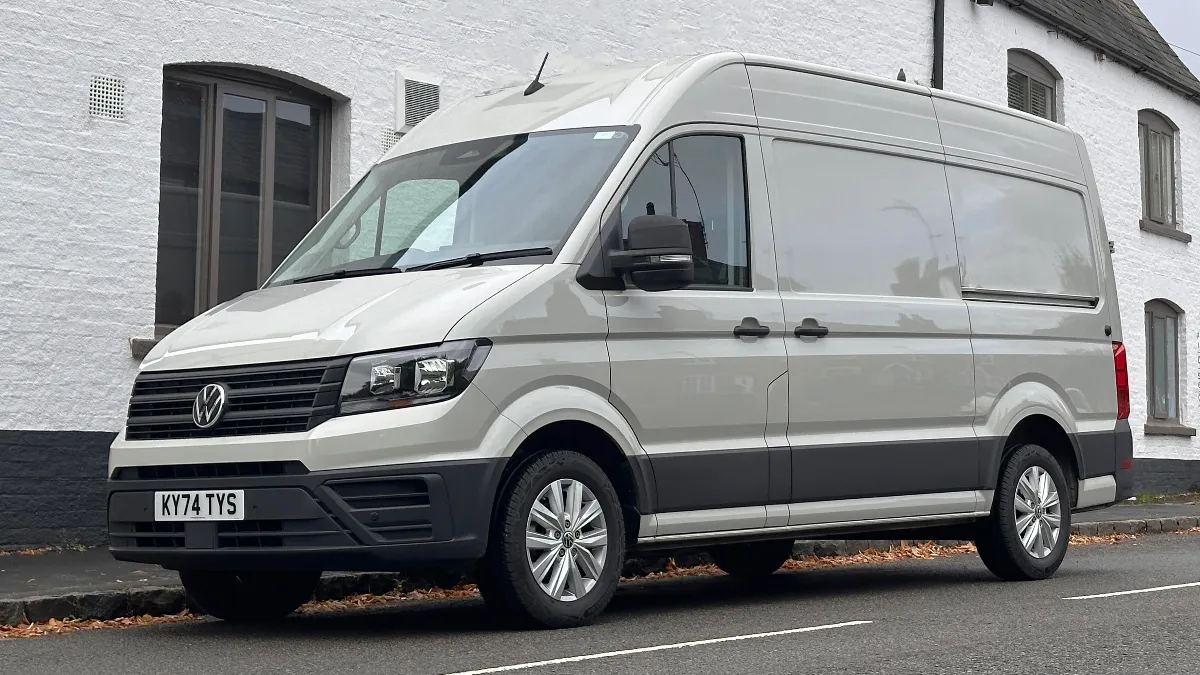
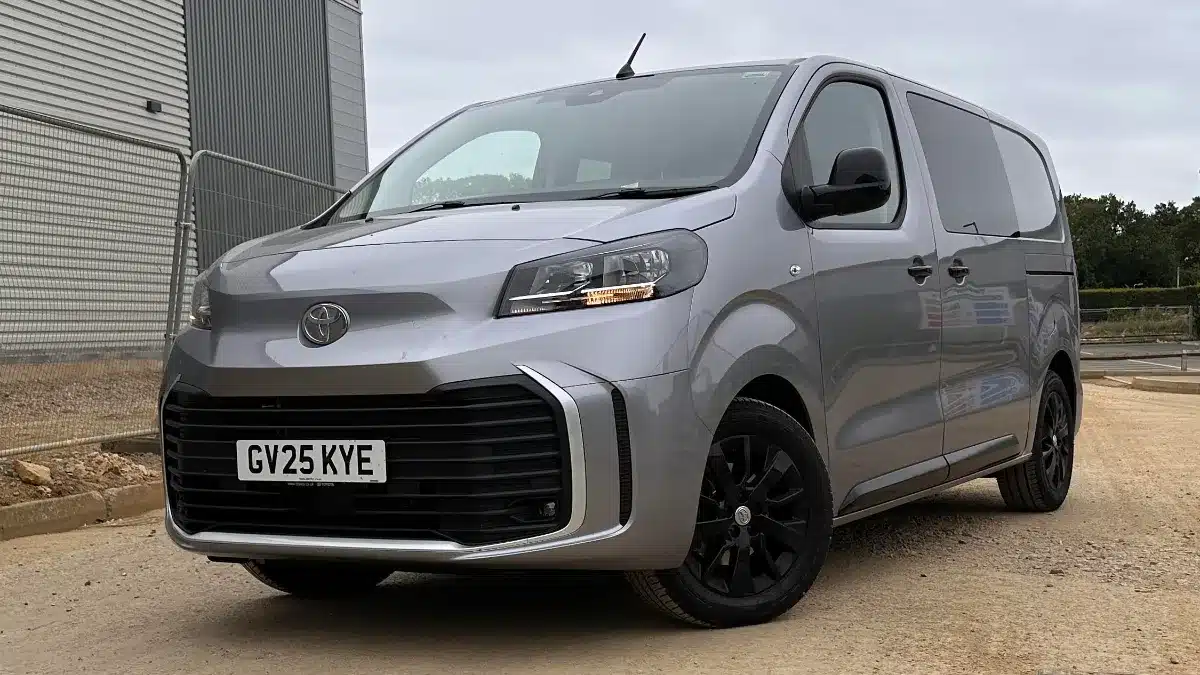
Van drivers and sole traders are likely to be the amongst the most likely to get caught out by the new camera systems.
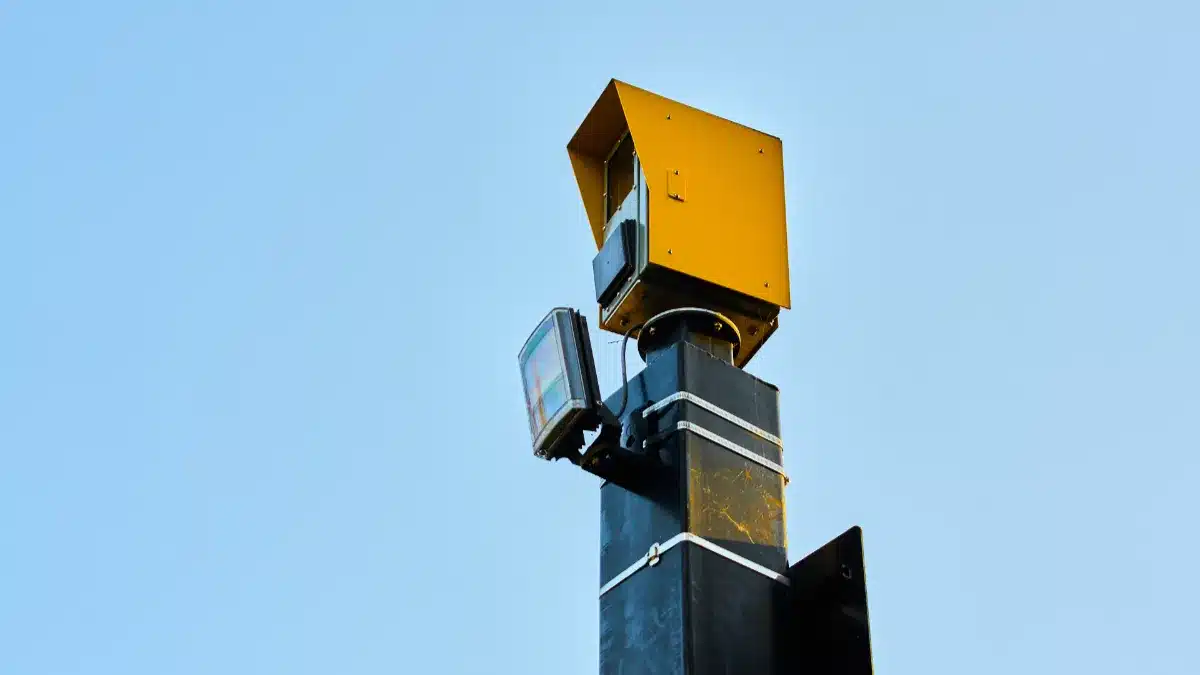
Unlike existing spot-speed cameras, which often rely on sensors buried in the road surface, the new systems use 4D radar technology paired with a 4K colour camera.
That means they can detect speeding vehicles without needing in-road sensors, white flash lighting or painted road markings. That will make them harder to spot, and could see van drivers get an increased number of speeding tickets, fines and penalty points.
TfL says the setup should make the cameras more reliable and easier to install and maintain, while also improving the quality of evidence captured for enforcement. That will mean fewer chances to escape the fines.
The new cameras are also able to monitor up to five lanes of bi-directional traffic from a single unit, meaning that no van is safe.
Current systems, which can usually only monitor up to three lanes, often require separate sensors in each lane.
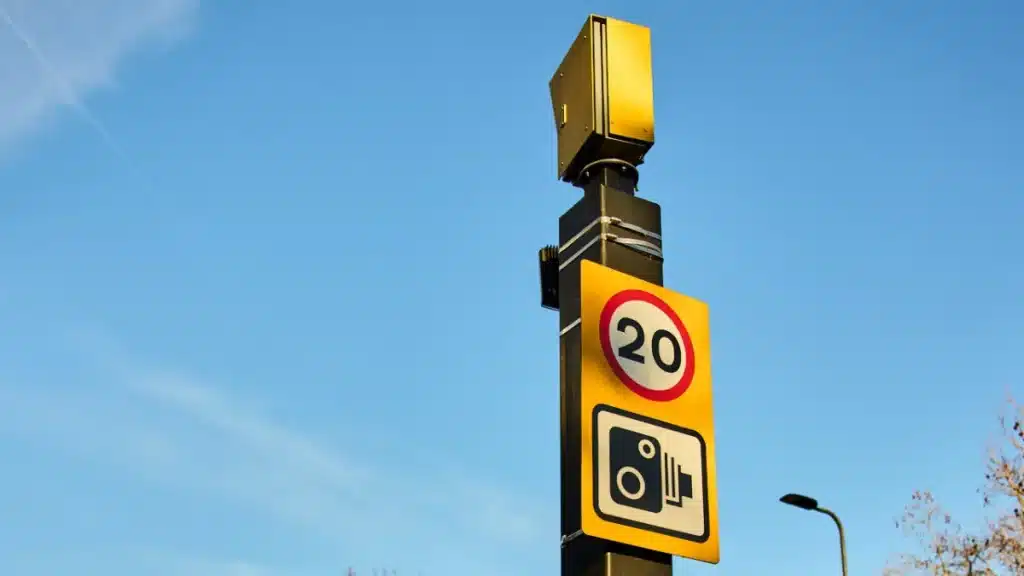
More roads can be monitored by fewer cameras, and the technology is designed to work more effectively in complex urban environments where commercial vehicles spend much of their day.
TfL and the Met Police say all signage will be checked and each camera will be calibrated before enforcement begins.
The trial comes as TfL pushes ahead with its updated Vision Zero Action Plan 2, published last week, which sets out a new five-year strategy aimed at reducing deaths and serious injuries on London’s roads.
Part of that plan includes upgrading and expanding the capital’s camera network, with TfL committing to installing safety cameras at at least 20 new locations identified either through speeding risk or repeated community concerns.
It also includes the rollout of more lower-speed roads, with TfL aiming to deliver at least 65km of safer speed limits on its own road network while supporting borough-led 20mph schemes elsewhere.
On average, these statistics show that more than 6,800 people are caught speeding every day.