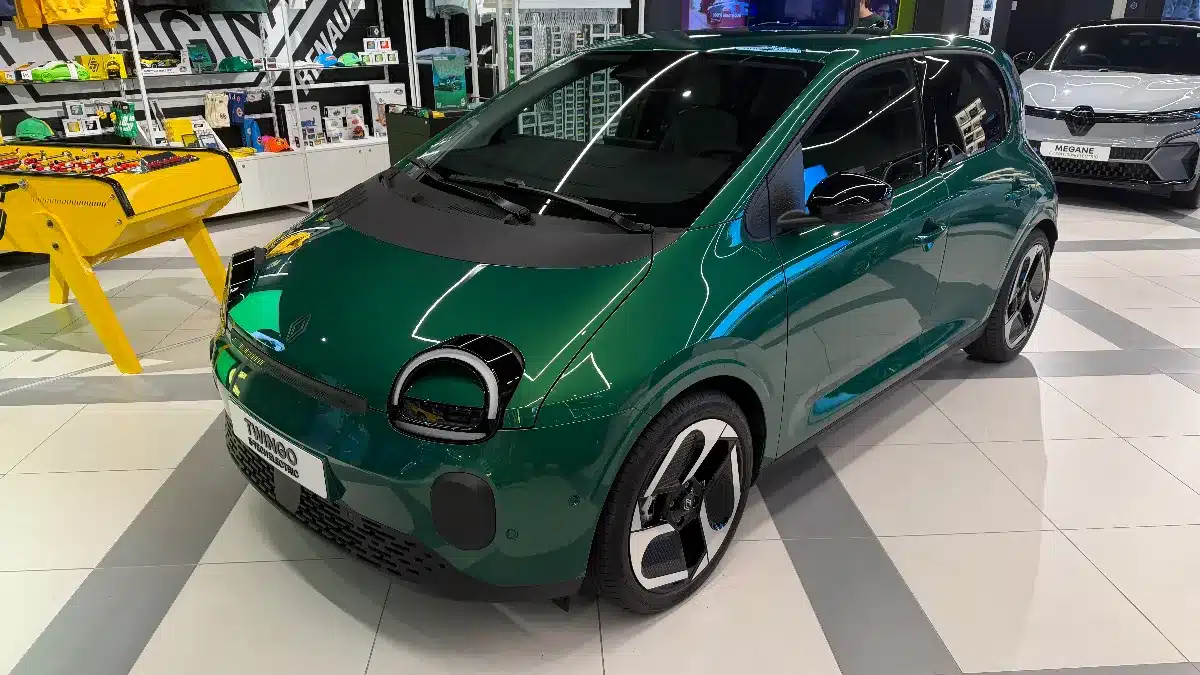

Earlier this week I found myself at Battersea Power Station, standing in front of the new Renault Twingo E-Tech and thinking something that probably wasn’t on the product planner’s whiteboard in Paris. This should be a van.
Not as a token “commercial” version with the rear seats removed and a mesh bulkhead thrown in, but a proper, compact urban van. It's perhaps a tad unrealistic, but here me out.
There's now a gap in the market.
Until recently, Renault’s urban mobility ambitions included the Mobilize Bento, a compact, heavy quadricycle with a cargo box. Driving it around Rome on the launch it was an unconventional, utterly inspired little thing that was both joyous to drive but sensible as a commercial vehicle, for the right sort of operation.
The Twingo is a different kettle of fish, it's bigger, actually a proper car and you won't just be able to park it nose into the pavement - although they probably still will in cities like Paris and Rome.
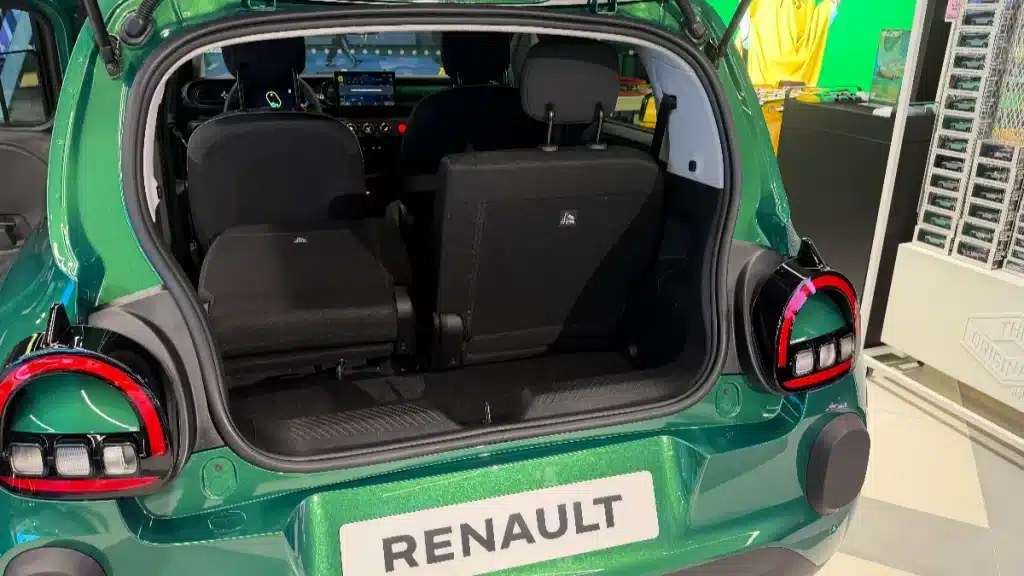
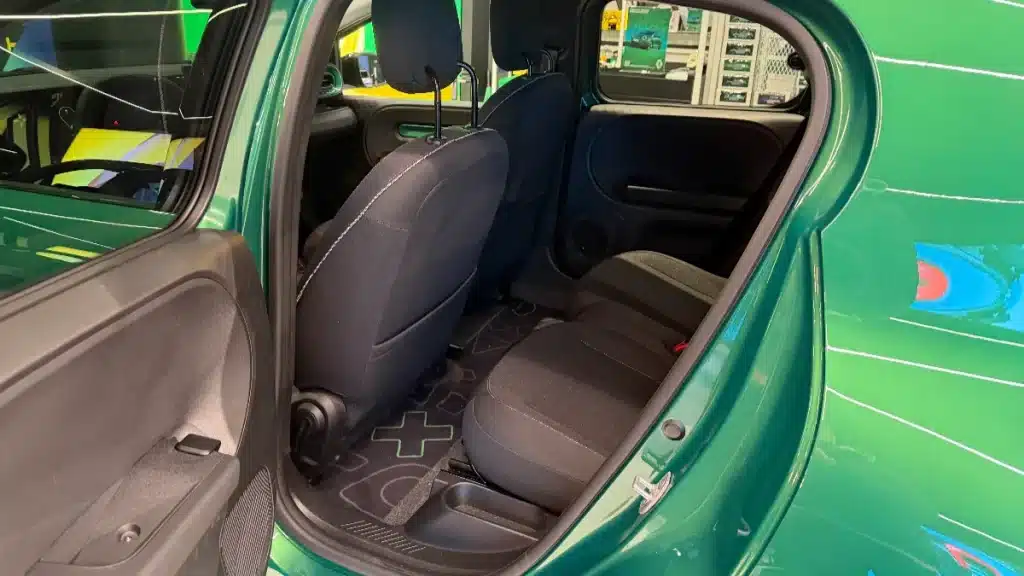
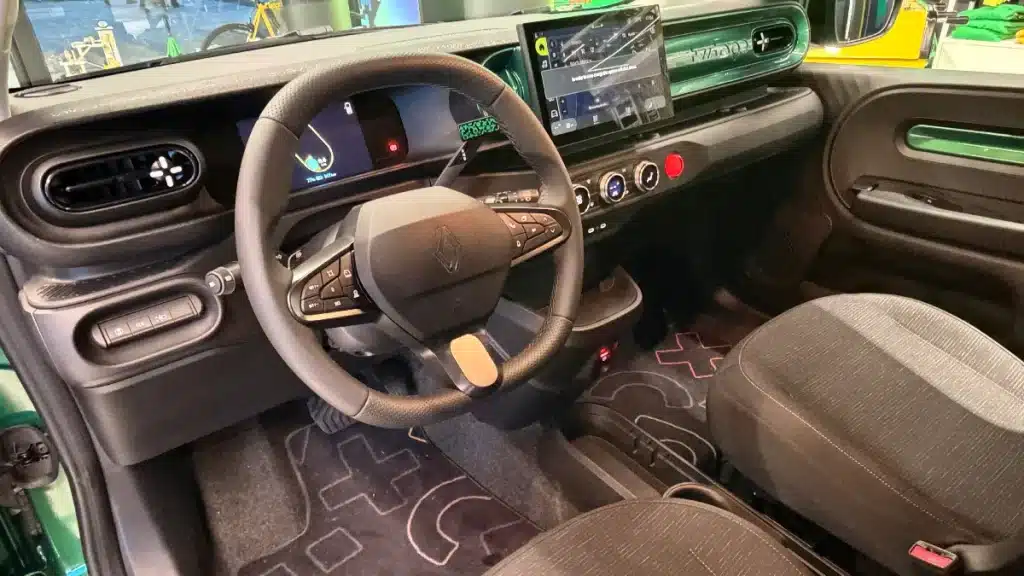
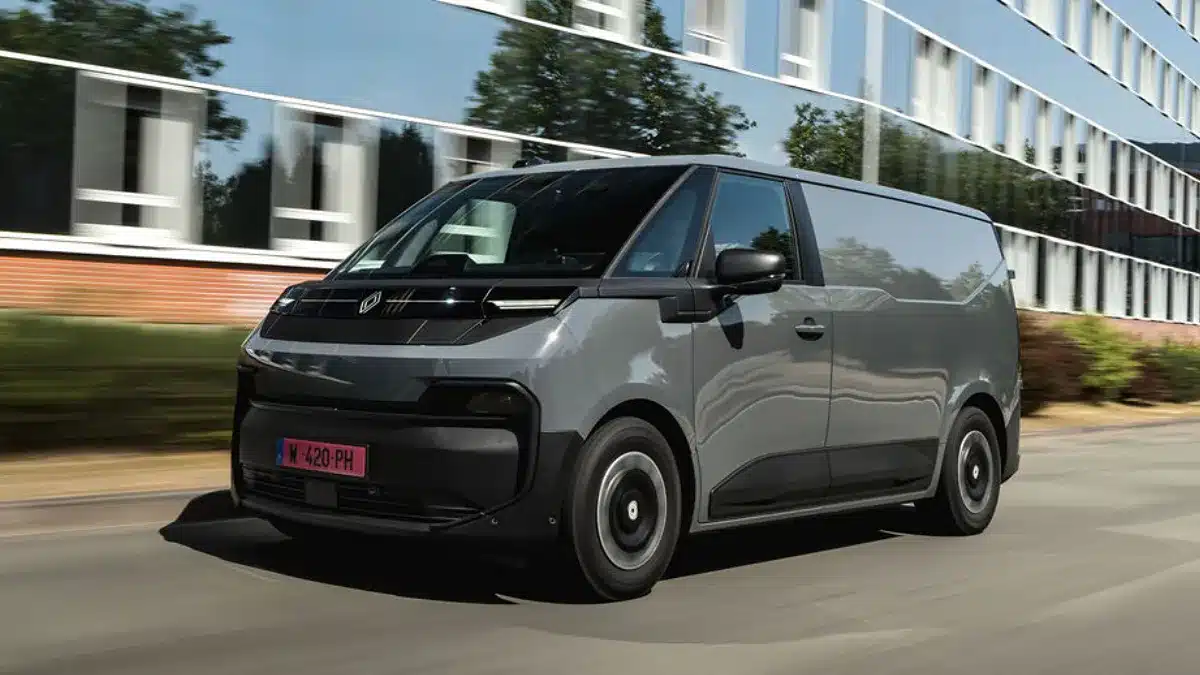
It sits nicely below the Kangoo, and it's even smaller still than the upcoming Renault 4 Commercial, which has been launched in Europe, which we expect to be revealed for the UK at the CV Show in April.
Sister-brand Dacia has the Duster Cargo, so maybe the Twingo will slot in nicely in the planning with a compact small electric van to fill the gap in not only size, but also price.
The Twingo E-Tech is Renault’s reimagining of its cult 1990s city car. The original 1993 Twingo which was wonderfully quirky but was never sold here in right-hand drive. It became a bit of a left-field icon, and I've seen more than a few on the south coast as imports.
The nameplate was revised and there was even a hot-hatch Twingo GT, but it came and went, with the redesign looking more like a compressed Clio and lacking the charm of the first. But this new version has personality again.
It's small, friendly and full of visual references to the original with circular headlamps, and even a nod to that iconic grille vent. The launch colour, a vivid green, is also a nod to its past making it look like a cheerful urban frog, a nod to its nickname, Le Frog.
And that’s exactly why it would make such a brilliant commercial vehicle.
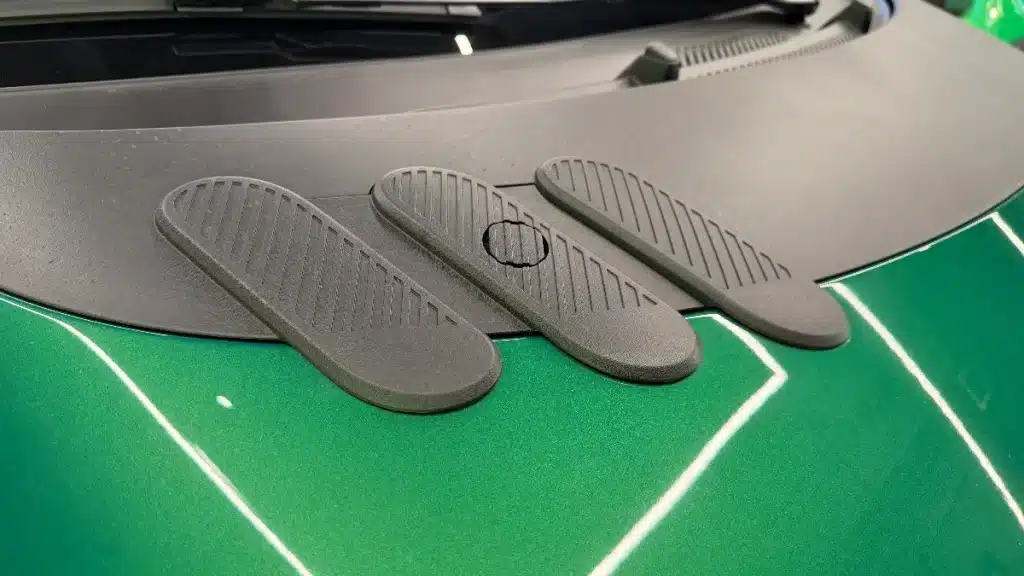
Urban logistics is changing. Couriers, local trades, florists, tech engineers, mobile coffee outfits, they don’t all need massive vans and a tonne of payload. In congested city centres, smaller is smarter, and standing out is often more valuable.
It wouldn’t need to carry 800kg. It doesn’t need to tow. It needs to carry parcels, tool cases and maybe a few crates.
Strip out the rear seats. Install a solid flat load floor and some rear panels, and Renault will be onto a winner. In fact while they're at it, why stop with the Renault 4, do the Renault 5 Commercial as well. In fact, did you know a French energy company has already built a handful of Renault 5 Vans. They're all specced in black, presumably for secret night time electrical hero-work.
We talk a lot about payload, van dimensions, range and GVW. And rightly so, but image still matters.
The buzz around the new Renault 5 and the Renault 4 has revitalised the brand. The Twingo is only going to get people talking even more. A Twingo Commercial may well break the internet!
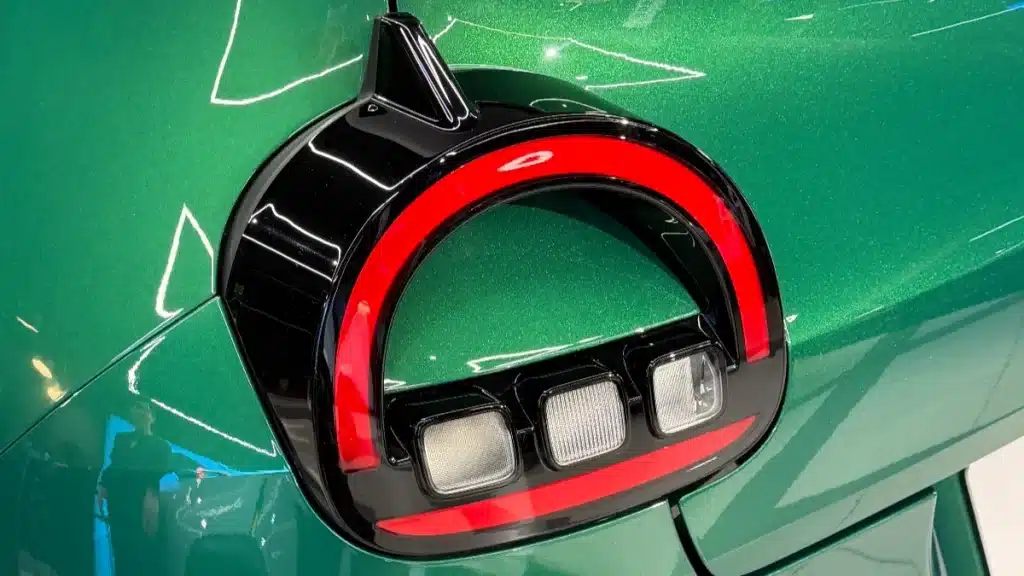
A small, affordable, characterful entry-point product could be exactly what’s needed, and another fantastic addition to the Renault commercial vehicle line-up. There always used to be van versions of cars. Why not add the Twingo to the ranks.
Renault has the platform. Renault has the design. Renault has the heritage.
It just needs the nerve.
Because if the Kangoo is the sensible choice, and the Trafic and Master do the heavy lifting, a Twingo van could be the mischievous little sibling.
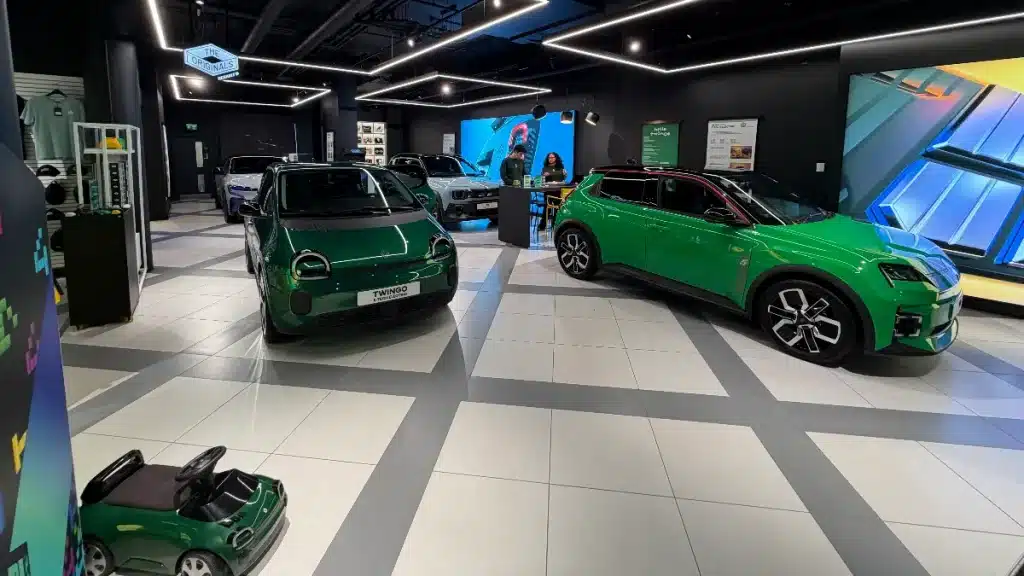
If you want to judge for yourself whether this little electric frog could wear steel wheels and a blanked-out rear quarter panel, the Renault Twingo E-Tech pop-up is on display at Battersea Power Station until Sunday 15th February.
Go and have a look and tell me you can’t picture it with a bulkhead.