New Ford Ranger 2-Seat side-steps the HMRC tax rules that treat Double Cab pick-up trucks as cars, not commercial vehicles
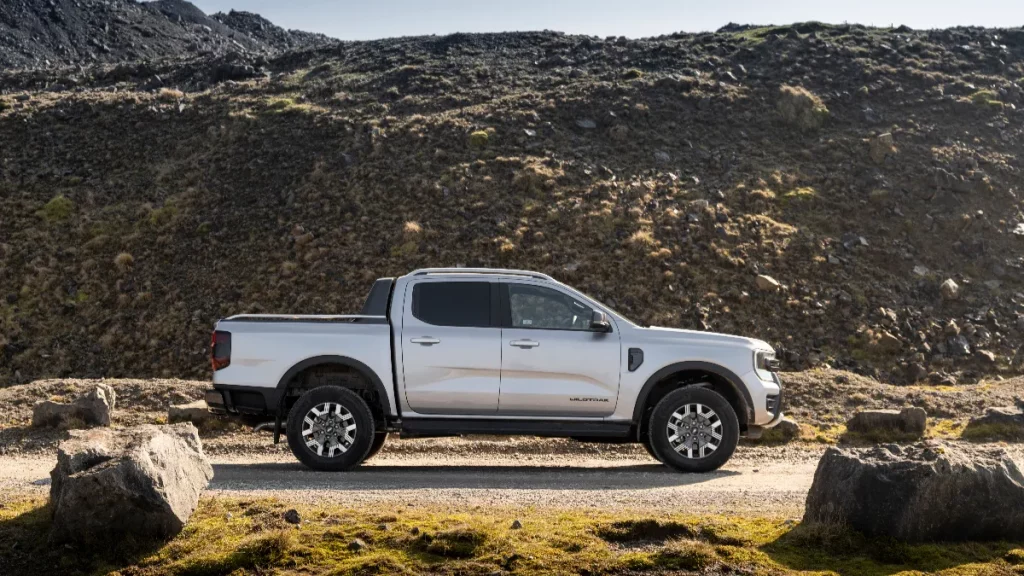
Ford has confirmed it will add to its Ranger line-up a new two-seat version of the Ranger Double Cab that allows business customers to once again pay the flat-rate benefit-in-kind (BIK) rate for a company car.
In April last year HMRC changed the tax rules for double cab pick-up drivers, labelling them as cars not commercial vehicles. Since then, company car tax on pick-up trucks owned through businesses and driver for personal mileage have been charge based on their CO2 emissions. That has angered many pick-up buyers with farmers and builders who don't use the rear seats, left particularly out-of-pocket.
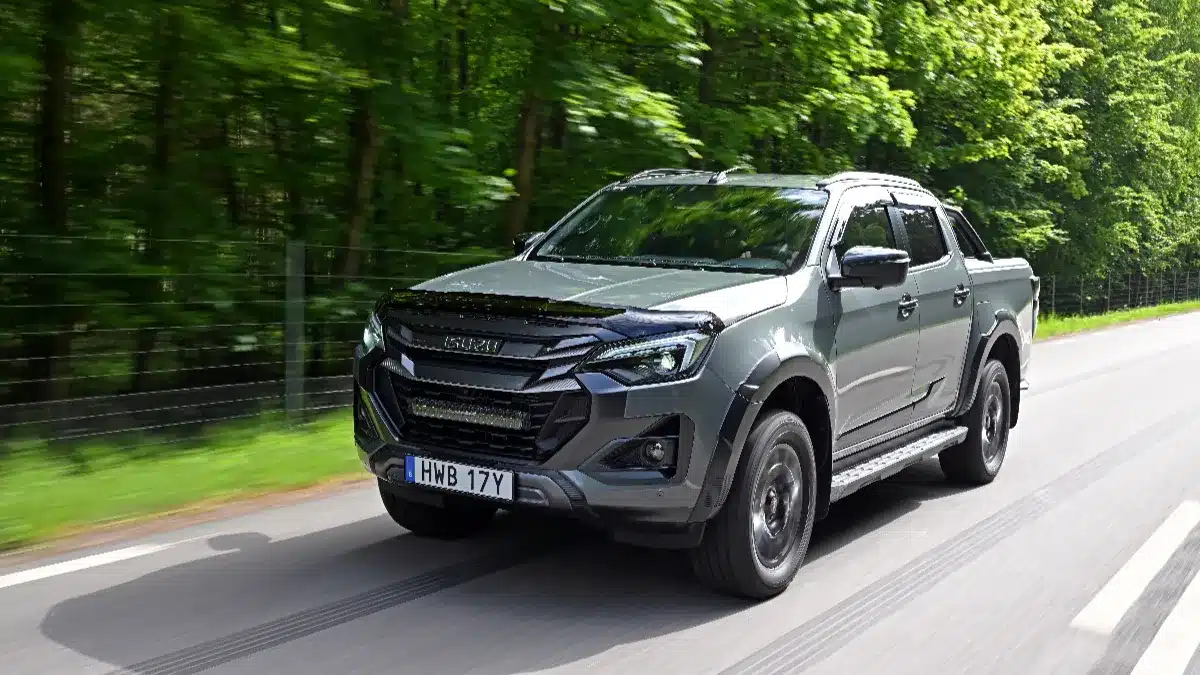
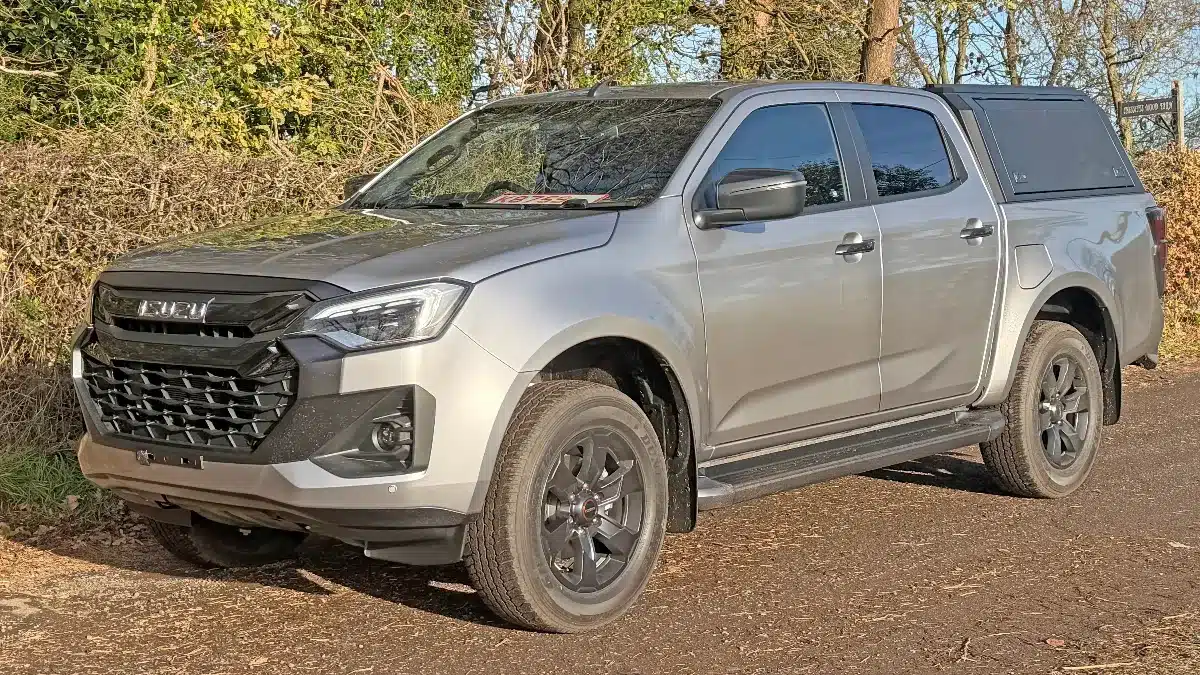
Isuzu launched the Isuzu D-Max V-Cross Commercial as a remedy, last year, and Ford has now followed suit with the Ford Ranger 2-Seat.
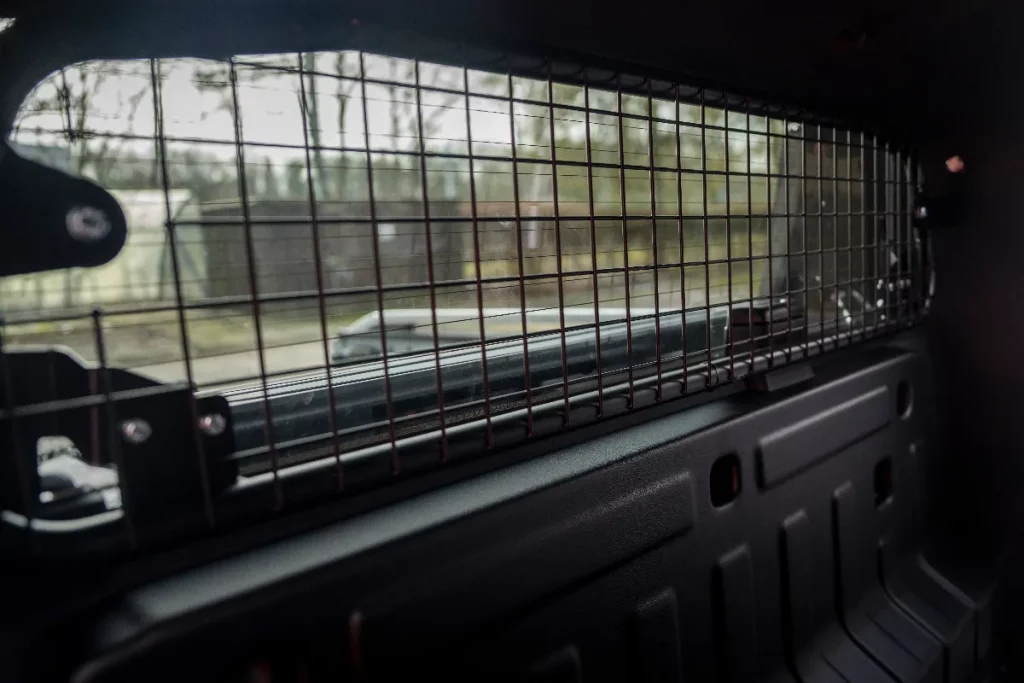
The new configuration removes the rear bench entirely and replaces it with a dedicated internal load space, effectively turning the pick-up into a van in the eyes of the Tax Man.
Ranger 2-Seat retains its towing, off-road and payload carrying abilities, but now no-longer falls foul of the expensive BIK tax that has seen new buyers paying the top rate of 37% of the vehicle’s P11D value.

That meant that anyone in the 20% income tax bracket could be paying £275 per month for a diesel pick-up truck valued at £45,000, while higher earners paying 40% tax would pay more than £550 per month BIK.
Ouch!
Read our Ford Ranger PHEV review
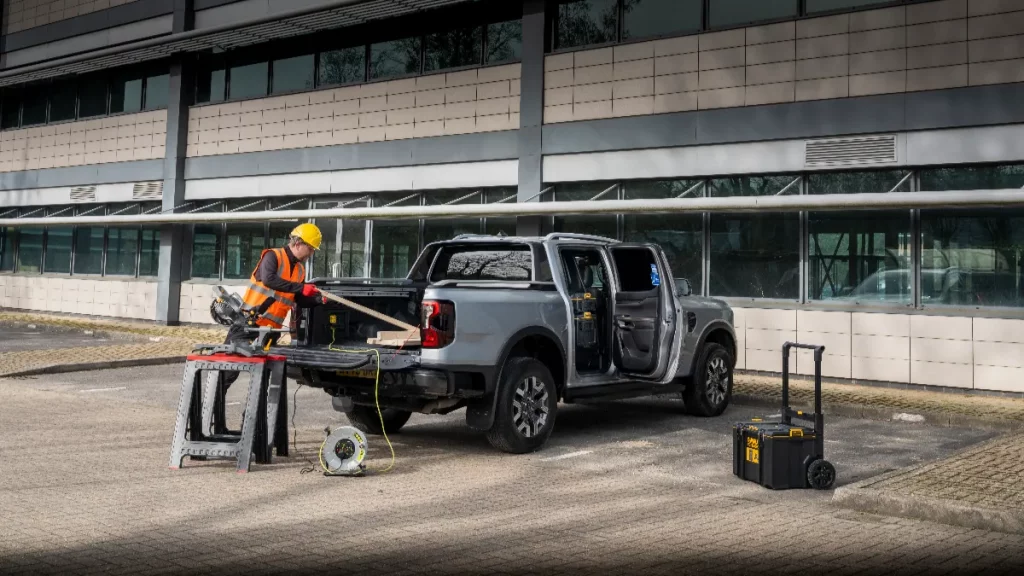
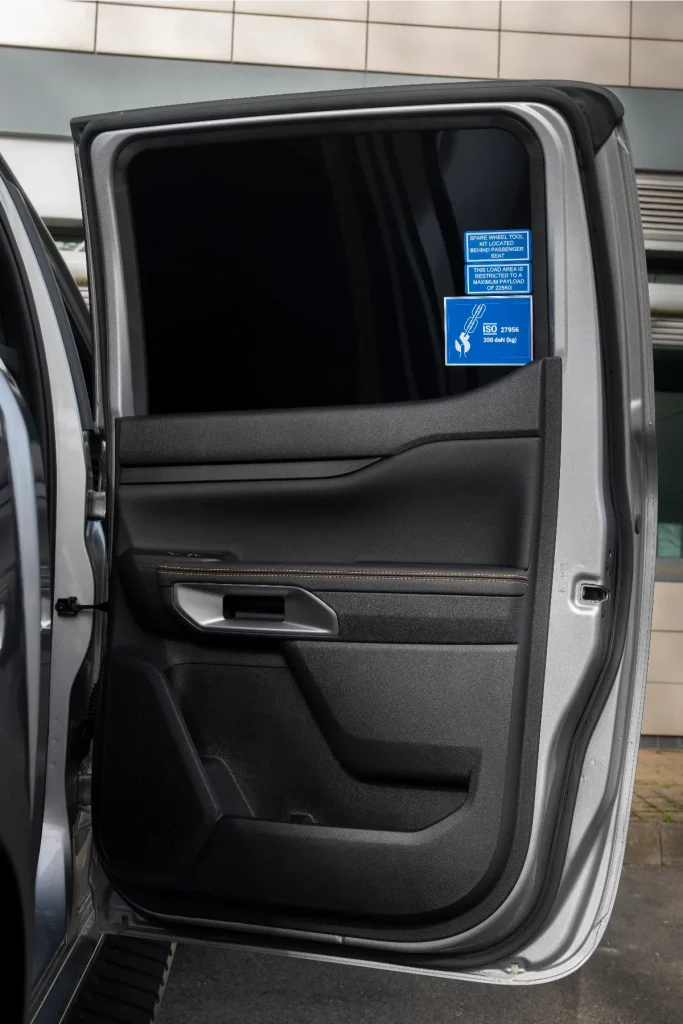
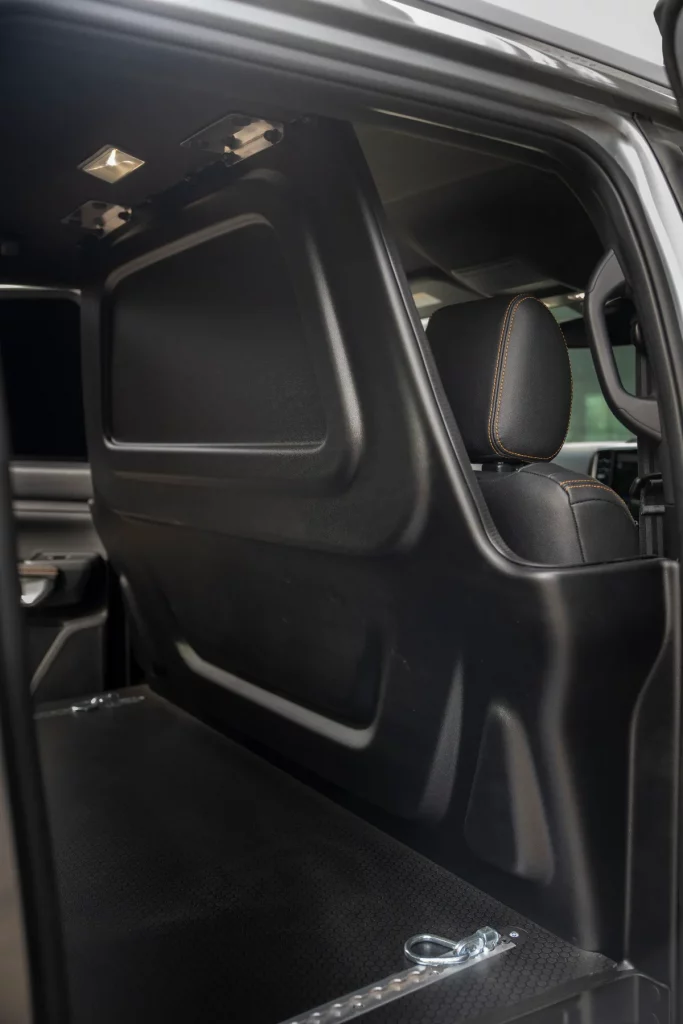
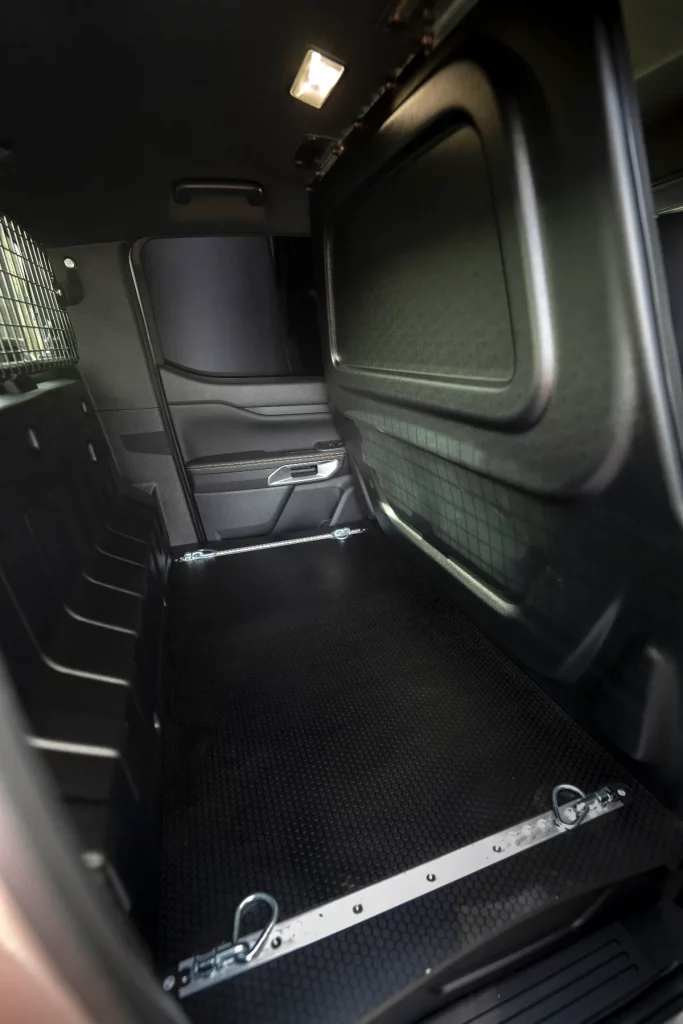
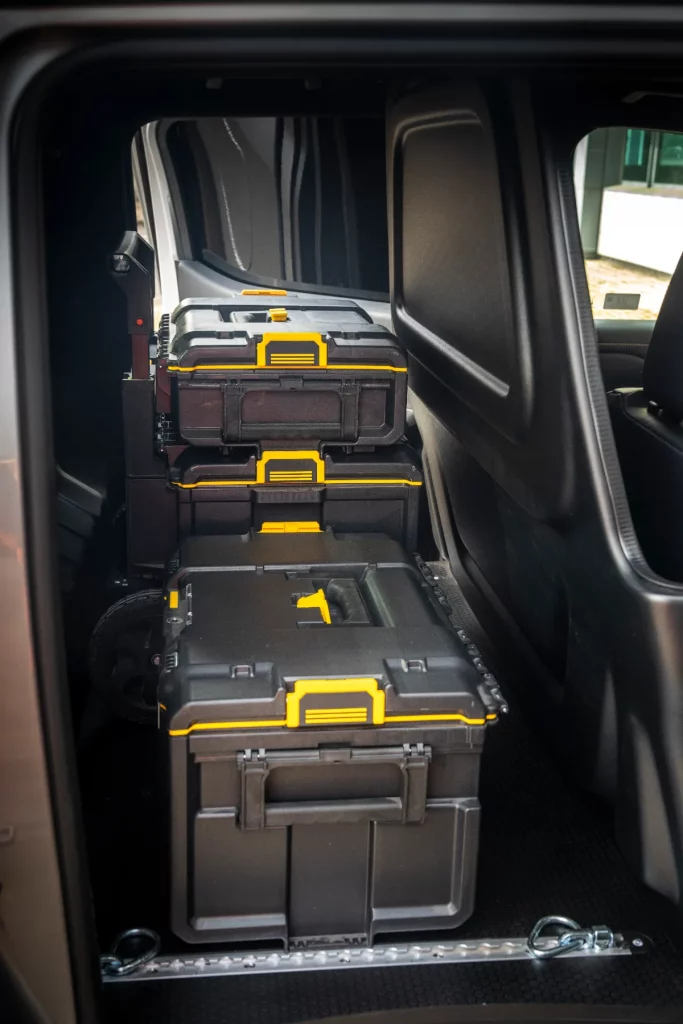
Instead of a second row, the Ranger Double Cab 2-Seat gets a full-height bulkhead behind the front seats, along with aluminium panels in place of rear windows.
A heavy-duty load floor, liner and integrated anchor points create a secure internal storage area for tools, equipment or specialist kit.
The conversion for the Ranger 2-Seat is done in-house by Ford, who have used the retrofitting skills of MS-RT to produce the new model for the UK market.
At launch, the two-seat Ranger will be offered in Wildtrak trim but will be available as both the Ranger PHEV plug-in hybrid and with a diesel engine.
Ford says further variants are planned later in 2026, which will include more of the familiar Ranger trim models like XL, XLT and Limited.
We had a look over the Ranger 2-Seat last month and were pleasantly suprised by the quality of the conversion, with a sturdy floor and substantial bulkhead. Although there's no under floor storage like in the D-Max Commercial, there's still plenty of space with the rear seats completely removed.
The PHEV model option also means that customers can specify Pro Power Onboard, allowing the truck to be used as a mobile power source powering tools and other equipment when on-site.
Read our Ford Ranger PHEV Wildtrak review
By permanently removing the rear seats and installing a bulkhead, the Ranger 2-Seat is engineered to qualify as a commercial vehicle for tax purposes.
Not only does that impact the BIK it also means users get the added benefit of a 100% allowance for plant and machinery. That means you can claim 100% of the value of the Ranger 2-Seat in the first-year, if it's bought new and unused.
Like other pick-ups it's also VAT compliant, and will be eligable for the standard commercial vehicle road tax rate.
For the 2026/27 tax year (starting 1 April 2026) that's £360.
Good question. You only have to look at the March van and pick-up truck sales to see that pick-up truck sales have been in free-fall since the April 2025 tax changes.
New models like the D-Max Commercial and Ranger 2-Seat should give tax savvy buyers or genuine pick-up users who don't need rear seats the ability to operate them without incurring huge private tax bills.
It's really aimed at operators who would typically use the rear seats for storage anyway, offering a cleaner and more durable solution while keeping items protected from weather and theft.
Ford says the most Ranger customers are already using their vehicles with the majority towing regularly and using the load bed and cabin space to carry tools and equipment. Rather than people.