Designing a genuinely usable zero emission pick up is proving a stubborn problem for commercial vehicle makers, which explains why the Ford Ranger PHEV Wildtrak has come about.
The Wildtrak has long been the most popular trim on the Ranger, and with the launch of a plug-in hybird model, it makes sense that the Ranger PHEV Wildtrak would be the go-to truck for most people considering dipping a toe in the water for electrification.
Of course, to satisfy typical operators, an electric 4x4 double cab needs enough battery capacity for real working range, a payload rating around a tonne and the strength to tow heavy trailers. It also has to survive off road use and remain affordable.
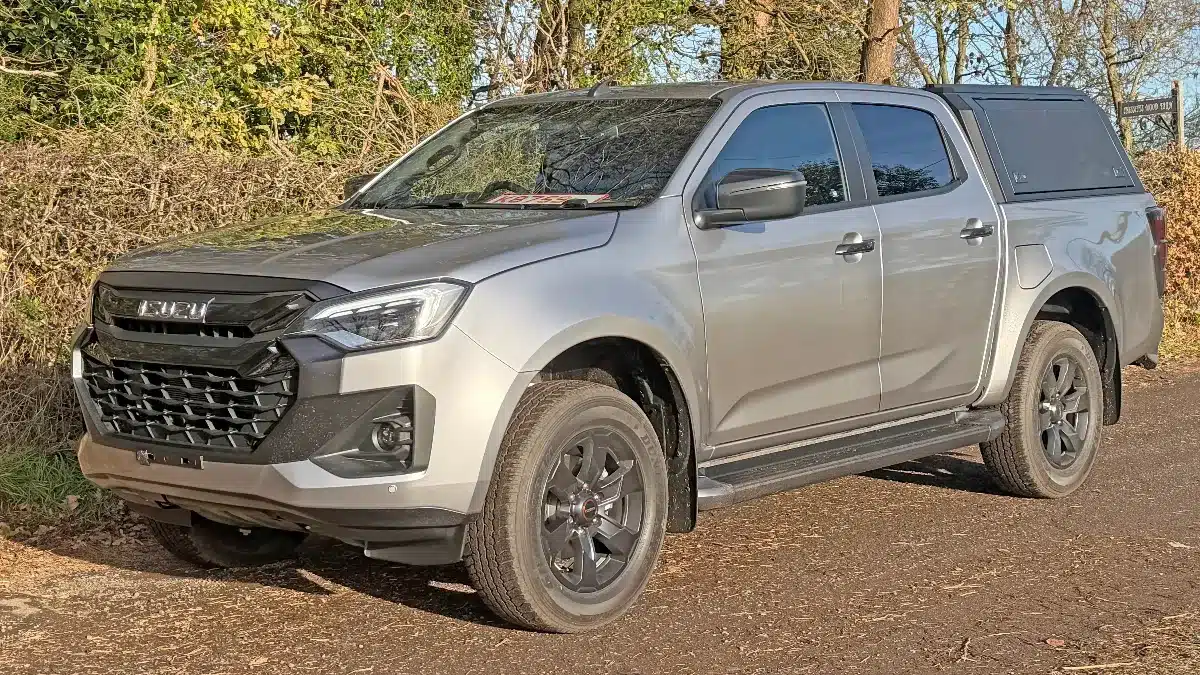
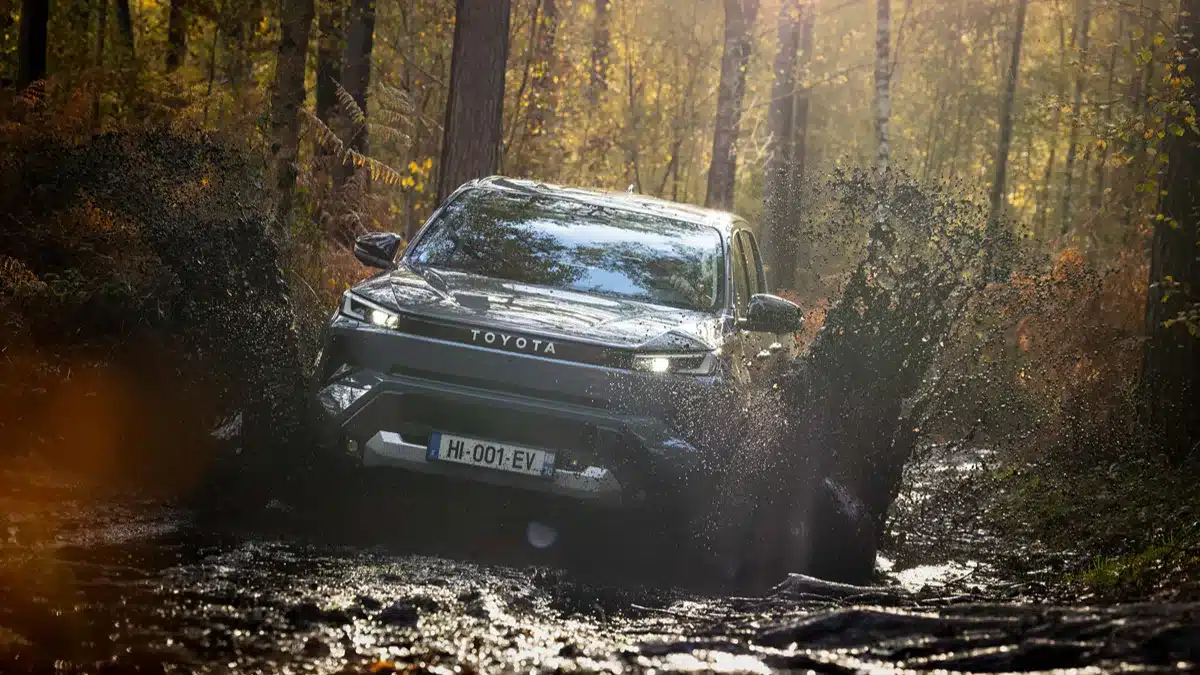
Few manufacturers have got close so far. Isuzu’s forthcoming electric D Max appears promising but its quoted 163 mile range is modest and the expected price sits near sixty thousand pounds. Toyota has been experimenting with a hydrogen fuel cell Hilux and will have a Toyota Hilux BEV in the market next year.
Where full electrification remains difficult, hybrid systems may offer a practical halfway house. Ford seems to be thinking along those lines and has added a plug in hybrid version of the Ranger to its European line up. It is offered in XLT, Limited, Wildtrak, Platinum and MS-RT specifications. There's also the PHEV Stormtrak, which was a limited edition launch model.
We've done a complete review of the Ford Ranger PHEV pick-up, but this is a review specifically on the Ranger PHEV Wildtrak trim level.


Power comes from a 2.3 litre EcoBoost petrol engine teamed with a 75 kW electric motor inside the transmission casing. Together they produce 281 horsepower. The 11.8 kWh lithium ion battery can supply about 25 miles of electric running which is enough for short commutes or local trips. Once that range is used, the petrol engine keeps the truck going without any need to hunt for public chargers.
We took the Ranger PHEV Wildtrak, surely likely to be the most popular trim level for this new hybrid truck, on an extended long test to find out what it's really like living with a plug-in pickup.
The test vehicle came fitted with an optional electrically operated roller shutter that secures the load bed. It can be opened or closed using a dashboard switch. Access to the load area is via the tailgate or through steps built into the sides and the rear bumper. They work well enough, although climbing aboard is still a slightly clumsy process. Some rivals offer tidier solutions.
The load bed is lined with durable plastic and has four lashing points, two fixed and two sliding, on each side. Roof bars and a sliding rack system were installed on our truck, making it easier to carry long items above the cab.
Ford’s Pro Power Onboard system was also included. Drawing energy from the main battery, it can supply 6.9 kW through a set of three 230 volt sockets. Two are located in the load area and one is in the cabin. The cabin outlet is limited to 2.3 kW, while the others can deliver 3.6 kW in total. This is enough to run small power tools or equipment on site. Zone lighting is fitted to illuminate the area around the truck in poor light.

A rotary switch selects between two and four wheel drive in high or low range. Next to it sits the automatic gear lever, which includes a manual mode button. An electric parking brake is fitted along with an electronically controlled rear differential lock. Drivers can choose from a set of operating modes that cover normal road use, economy driving, sportier throttle response, towing, slippery conditions, mud and ruts, and sand.
There are also four settings for the hybrid system. Auto EV balances power sources as needed. EV Now demands electric power only. EV Later preserves charge. EV Charge uses the engine to top up the battery. The system employs an electronically activated clutch to combine or separate the petrol and electric components.
The focal point of the dashboard is a 12 inch touchscreen that handles infotainment and vehicle functions. Despite its size, it is still handy to have a separate physical button for the radio and ventilation controls. Apple CarPlay and Android Auto are supported and also provide access to the digital manual. An 8 inch customisable screen replaces traditional instruments.

Standard equipment includes dual zone climate control, satellite navigation, cruise control, heated front seats and a heated steering wheel. The exterior mirrors are heated, power adjustable and fold electrically, although they do not have a lower wide angle section.
Storage levels are generous with two gloveboxes and a lidded compartment between the seats. Cup holders are plentiful. Rear passengers gain two USB ports and access to the 230 volt outlet. Rear seating space is adequate for two adults, but the middle position is tight.
A row of auxiliary switches sits above the windscreen along with a sunglasses holder. There are also grab handles on both A pillars that make entry easier. Driver assistance features include blind spot monitoring with trailer support, adaptive cruise control, lane keeping aids and a 360 degree camera with parking sensors.
Ford has reworked the chassis to accommodate the hybrid hardware and battery. The suspension settings are new as well. The combined system produces peak torque of 687 Nm at 2500 rpm, which is higher than any previous Ranger. The 2.3 litre engine uses direct injection and a fixed geometry turbocharger, with an aluminium block, head and pistons.
On the road the truck feels strong. Acceleration is brisk thanks to the extra torque and the gearbox responds quickly when asked to downshift. It does not shuffle repeatedly between gears and behaves predictably in town and on the motorway. The cabin remains calm, partly due to active noise cancellation.
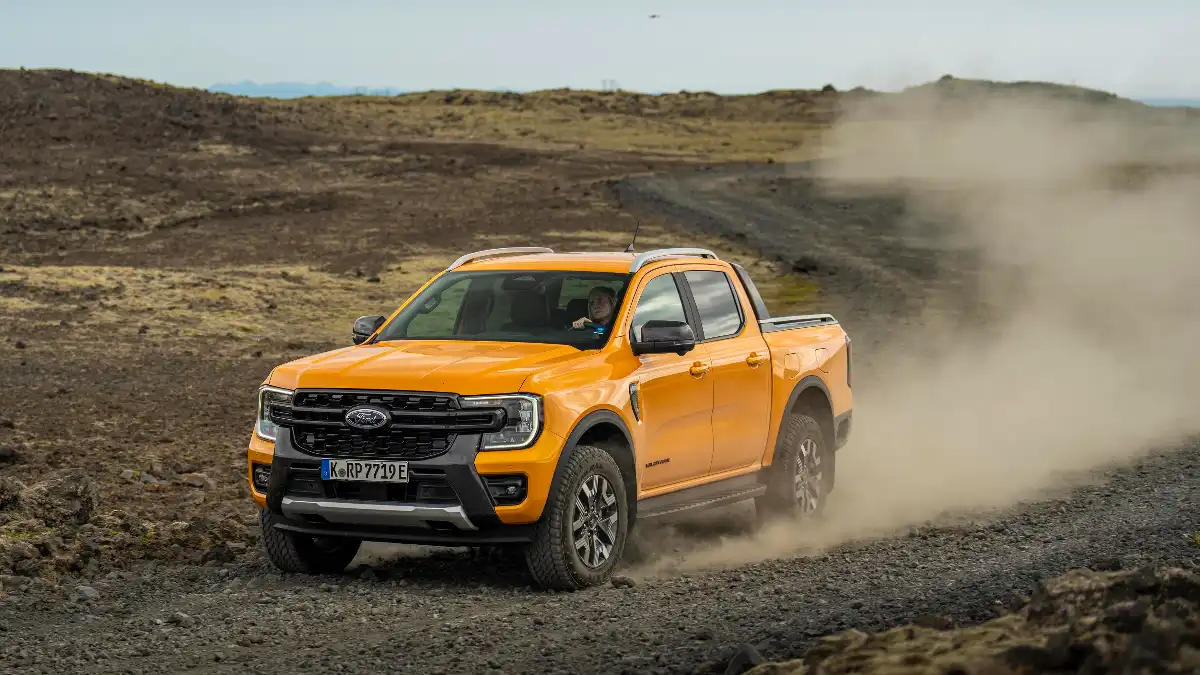
Running silently on electric power gives the Ranger a very different character. Moving away across a farm track without engine noise feels unusual at first. Off road, the PHEV proved able to deal with steep climbs, loose surfaces and shallow streams without drama.

Ride comfort is similar to other pick ups. Rough tarmac sends a thump through the suspension and even on smoother roads there can be some vibration through the pedals. The steering is well weighted but requires regular correction on faster roads, which becomes tiring.
Our vehicle sat on 18 inch alloy wheels with Continental ContiCrossContact LX2 tyres and came with a full size spare.
Ford provides a three year or sixty thousand mile warranty, while the battery is covered for eight years or one hundred thousand miles. Service intervals are every two years or twelve thousand five hundred miles.
The official WLTP fuel economy figure is claimed to be 94.16 mpg, although Ford also quotes a more believable 28 mpg for mixed driving. The battery takes just under four hours to recharge on a 16 amp single phase supply. Regenerative braking helps recover energy and the engine can charge the battery if needed.
Tax treatment for double cab pick ups has changed. They are now considered cars for Benefit In Kind calculations. The Wildtrak PHEV’s comparatively low CO2 output therefore brings a noticeable reduction in tax liability for drivers who use the vehicle privately.
Our test truck wore metallic silver paint, available at extra cost, with matching door handles. It had sill mounted side steps but no rubbing strips to shield the paint, which seems an unfortunate omission.

Volkswagen’s Amarok shares its underlying platform with the Ford Ranger through a joint venture between the two brands, but VW has chosen not to offer it with a V6 petrol engine and it is not available as a plug in hybrid. It is sold only as a double cab and places strong emphasis on safety equipment and a well supported ownership package, both of which are welcome.
As for the Ranger PHEV itself, it stands out as a well considered compromise between diesel power and full battery electric. The cabin is one of its strongest points, providing a comfortable working environment with genuinely useful features. Ride comfort is less impressive and even smooth roads can trigger some fidgeting from the suspension, although refinement remains high thanks to effective noise control.

The optional Pro Power Onboard system adds real value for users who need electrical supply on site, and the combination of petrol engine and electric motor delivers strong performance when required. The gearbox and hybrid system work together cleanly and are difficult to fault in day to day use.
Running costs will not be low for anyone used to small vans, but the Ranger PHEV is unlikely to shock operators who already drive pick ups. Standard equipment levels are generous and most owners will find everything they need without resorting to lengthy option lists.
It is not perfect, but judged as a working 4x4 double cab the Ranger PHEV is one of the most convincing and capable examples we have tested, with particular strengths in design, cabin quality and its neatly integrated hybrid system.