Occasionally, a piece of research will land in my inbox that shows some new emerging trend I’ve not really thought about, but today, some research from finance provider Arval,in its latest Fleet and Mobility Observatory, has confirmed a trend that I’ve long thought would come.
It suggests fleet adoption of used vans is set to soar over the next three years.
We all know used vans are big business, there’s thought to be as many as three used vans sales for every new van, making it a market of at least 1m vans per year, so why would it suddenly get bigger.
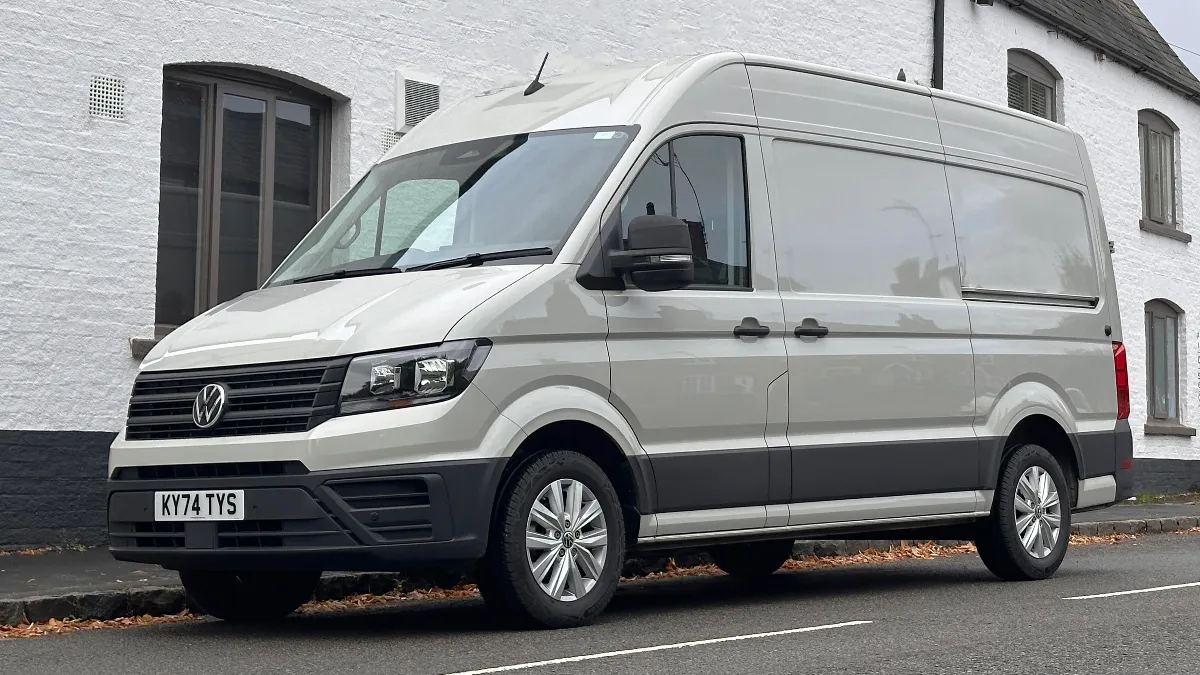
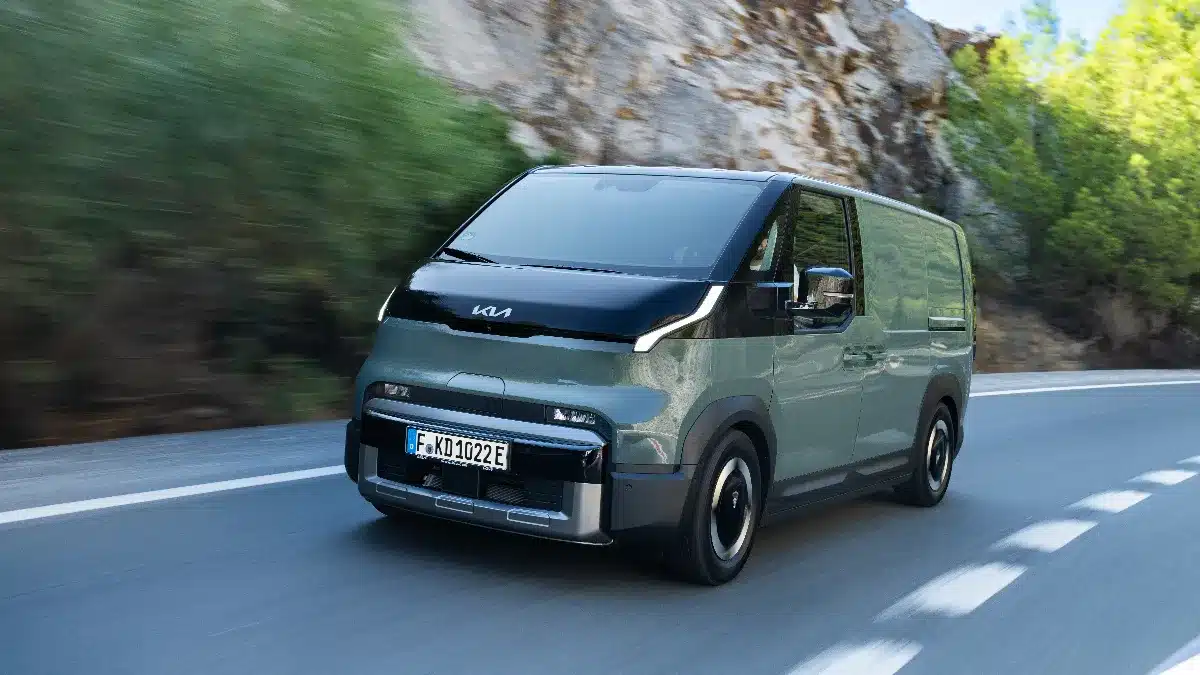
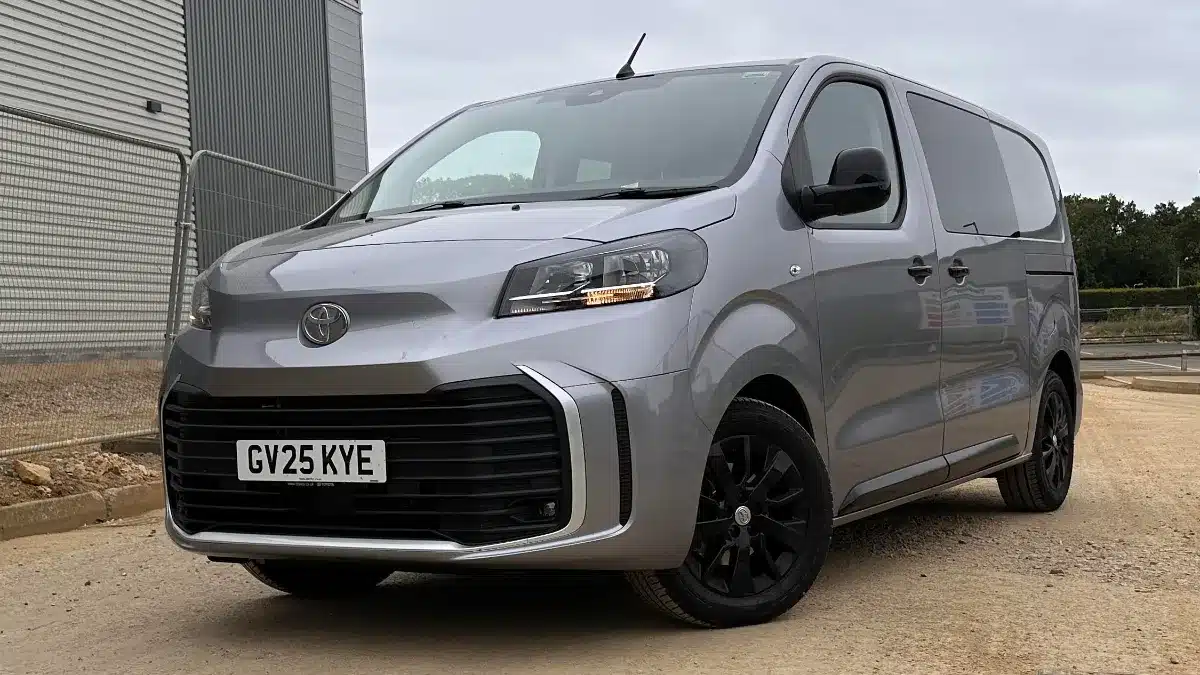
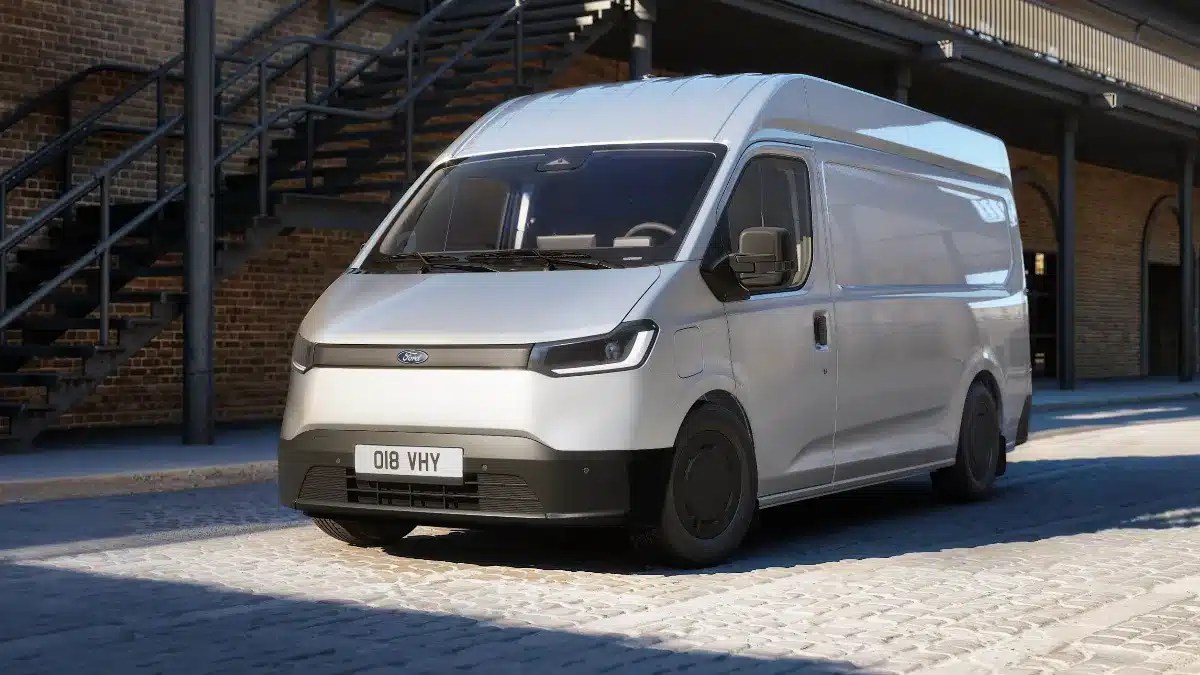
Anyone who’s looked at buying a new van recently could probably tell you that new vans have become eye-wateringly expensive. If a large van was about £30-35k a few years ago, you’re now looking at £50k. Small vans used to be around £10k, you’re now lucky to find something less than £18k. And don’t even get me started on the price of EVs. Well… actually, maybe that’s exactly what we should talk about.
Manufacturers have spent the best part of a decade fighting a war on two fronts. On one side, they’ve been forced to pour billions into squeezing every last gram of NOx and CO₂ out of diesel engines to satisfy ever-tightening emissions legislation. On the other, they’ve simultaneously had to develop entirely new electric van platforms, battery technology, software ecosystems and production facilities.
That investment hasn’t come from thin air, and with rising costs from wars and shortages and competition for semi conductors, it’s become expensive to produce anything.
Somewhere along the line, someone has to pay the bill. Increasingly, that’s the customer.
It’s not surprising then that the commercial vehicle industry has reached the point where many operators simply look at a new van’s invoice and conclude there’s better value elsewhere.
It’s hardly irrational. If a three-year-old van can do 95% of the same job for a fraction of the capital outlay, why wouldn’t you buy it?
It’s not about fleets lowering their standards. It’s about businesses doing what businesses are supposed to do… making sensible financial decisions.
The research also suggests larger fleets are becoming more interested in used vans. Again, this isn’t a surprise.
Not every vehicle in a national fleet has to be a factory-fresh, identically specified model. Those more bespoke builds, like your welfare van, fridge unit or Luton van can often be found on the used market in surprisingly good nick. How then could you justify tying up £50,000 or £60,000 in a brand-new van, when the same thing could be found in the classifieds at a much lower price. A quality used van often makes far more commercial sense.
There’s another uncomfortable truth for manufacturers here.
For years, the industry has talked about total cost of ownership, residual values and lifecycle costs. Eventually, though, there comes a point where the initial purchase price becomes so high that it outweighs many of the savings a new model with lower fuel costs and a manufacturer warranty provide.
It’s possible we are getting dangerously close to that point.
The irony is that manufacturers don’t have many alternatives. Emissions legislation isn’t getting any easier. Electrification isn’t getting any cheaper. Software-defined vehicles, connected services and advanced driver assistance systems all cost money to develop. None of that investment is optional.
Fleet managers aren’t suddenly discovering a passion for buying second-hand vehicles. They’re responding to a market that has pushed the price of new vans to levels that would have seemed unimaginable just a few years ago.
Fleets, whatever industry they’re in, need to run aa economically as possible. If that means buying used instead of new, they won’t lose a moment’s sleep over it.
The ceiling of what customers are prepared to pay for a new van might be being reached, and no amount of added value, fancy tech or sustainability arguments will win over the economics of cold hard cash.
Covid taught us a few things, and has been directly and indirectly responsible for many of the automotive industries recent woes, as well as a new phrase… a greater number of used vans sales is likely our industry’s new normal.