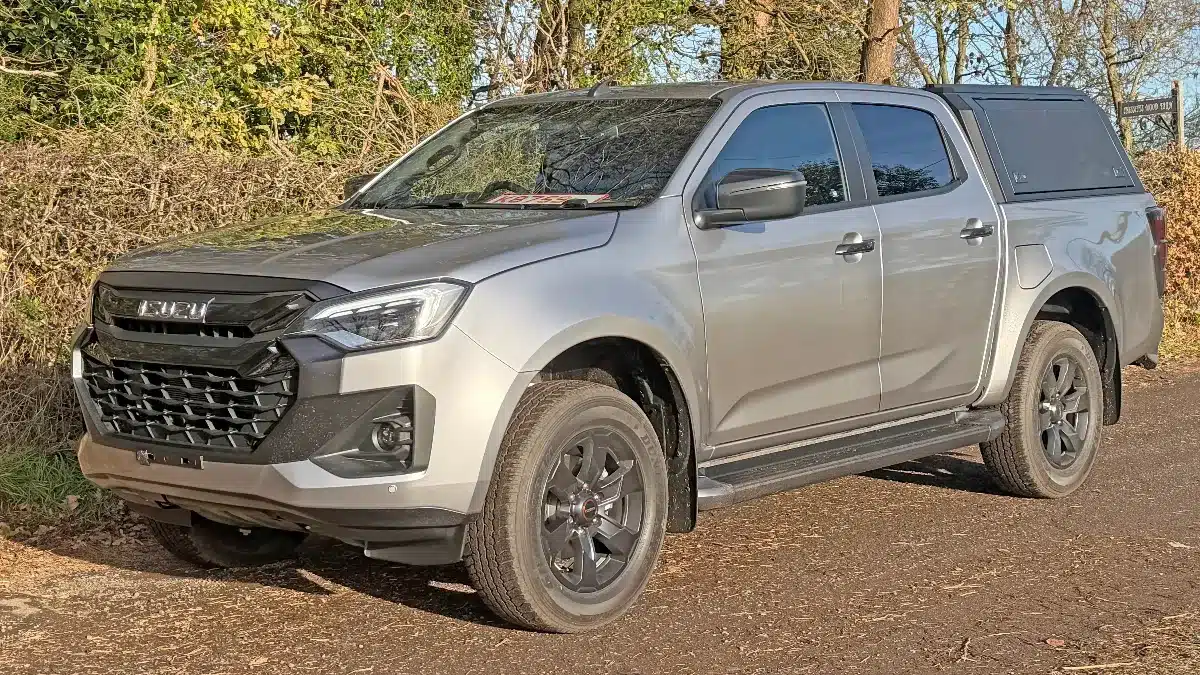
The double-cab pick-up market is in a funny place right now. HMRC’s change of heart on lifestyle trucks has turned a lot of “company car” pick-ups back into cars for tax. Enter forward-thinking Isuzu with the Isuzu D-Max V-Cross Commercial, a double-cab pick-up with a difference.
Just as manufacturers are experimenting with electric models (that can’t always match diesel for payload or towing), HMRC pulled the rug from under the pick-up market with its changes to the double-cab pick-up tax.
So while, scores of site managers, company directors and even accountants are left scratching their head about what to do about the enormous BIK taxes heading their way, Isuzu has looked at what the market needs and what its customers want. It's served up a proper working pick-up truck. The D-Max Commercial is not just a way around the BIK rules, it's an uncompromised two-seat working truck.
Rather than rip the rear seats out in a dealer’s workshop or accept the compromises of an EV, the D-Max V-Cross Commercial is a factory-approved, permanently converted two-seater that keeps full working-truck capability, and crucially, full commercial vehicle tax status.
So is this the sweet spot between plush lifestyle truck, HMRC compliance and proper workhorse?
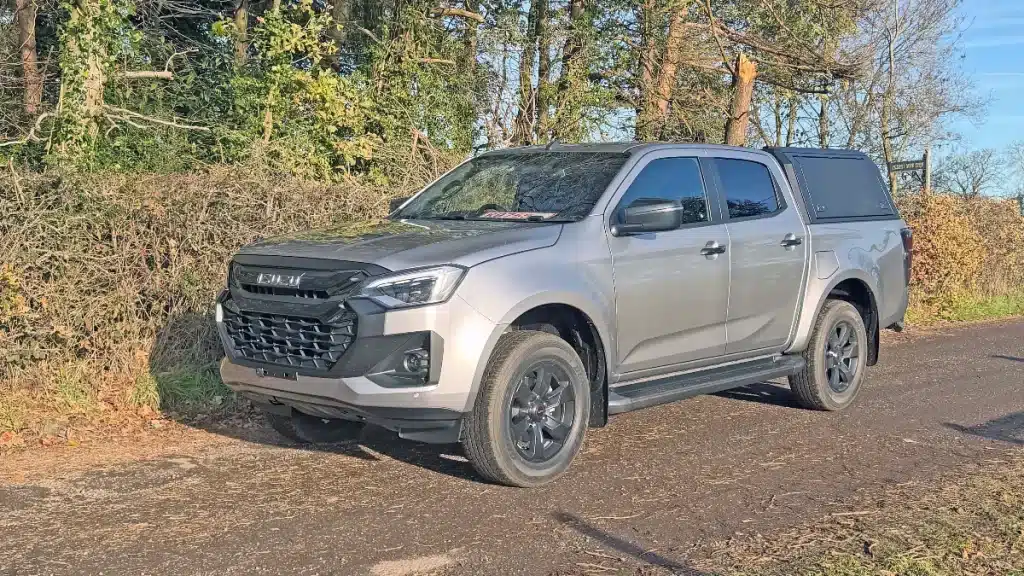
At heart, this is the range-topping D-Max V-Cross with the same 1.9-litre diesel with 164hp, same 4x4 drivetrain and same 3.5-tonne towing capacity. The difference is that it has just been turned into a dedicated two-seat commercial pick-up truck.
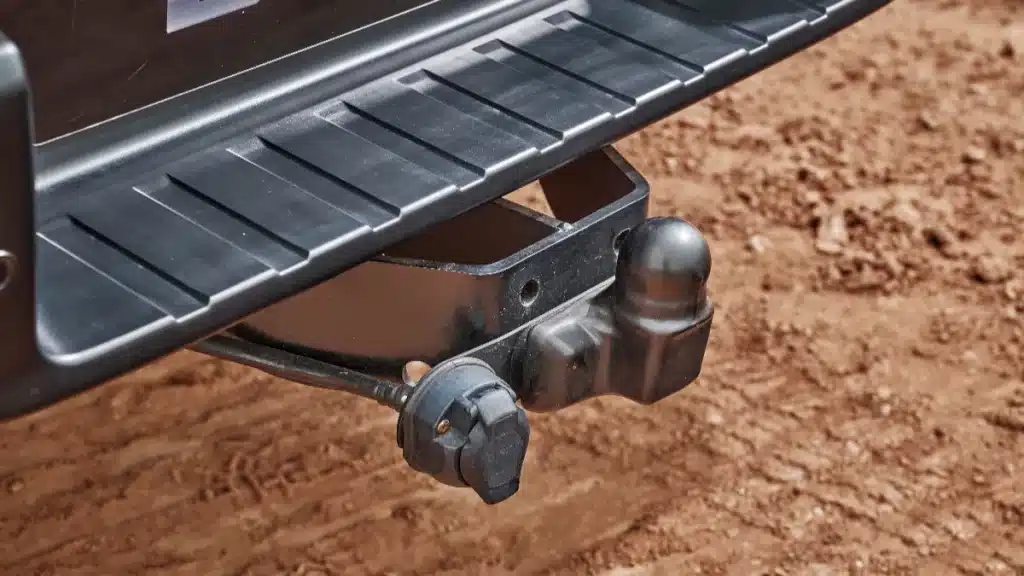
It has all the things you'd expect of a normal pick-up, as a result. It still has a one-tonne-plus payload, a maximum 3.5-tonne towing capacity, with a tow bar and electrics now fitted as standard from the factory, and best of all it's still all under 2,040kg.
That means that despite it being a proper commercial vehicle, for both work and tax purposes, it still qualifies for passenger-car speed limits for a pick-up truck, rather than the slower light-goods limits that catch many pick-ups out.
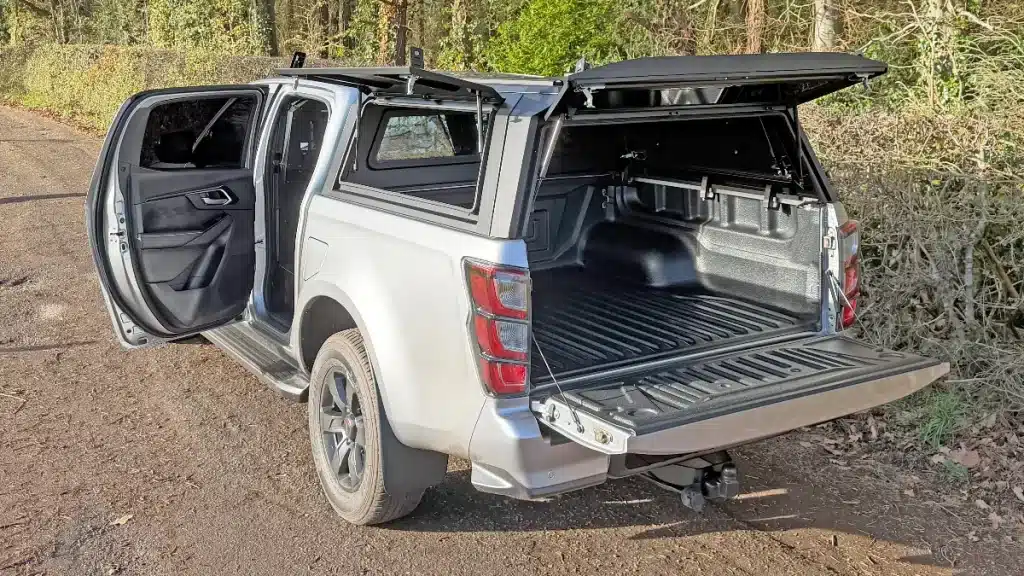
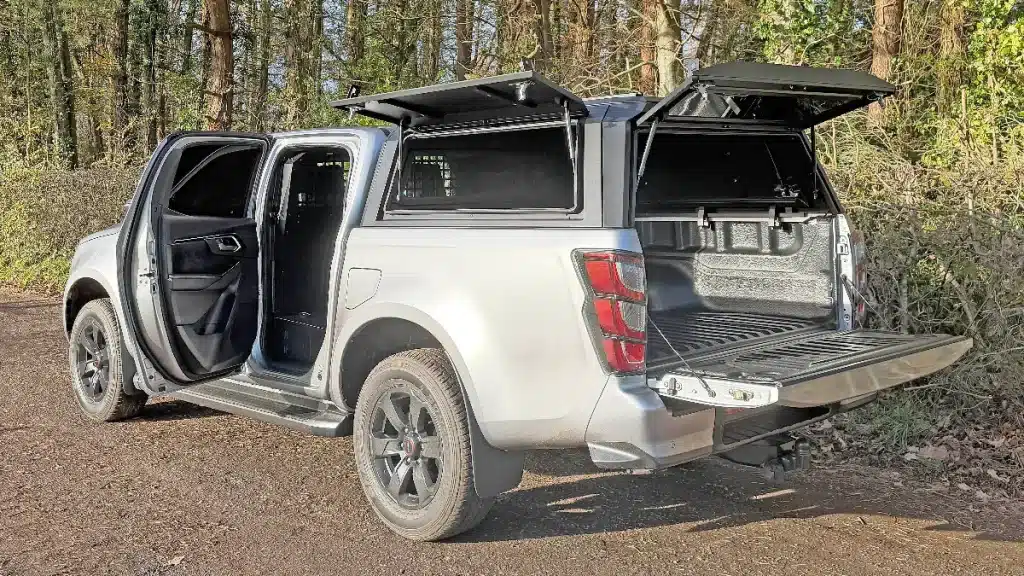
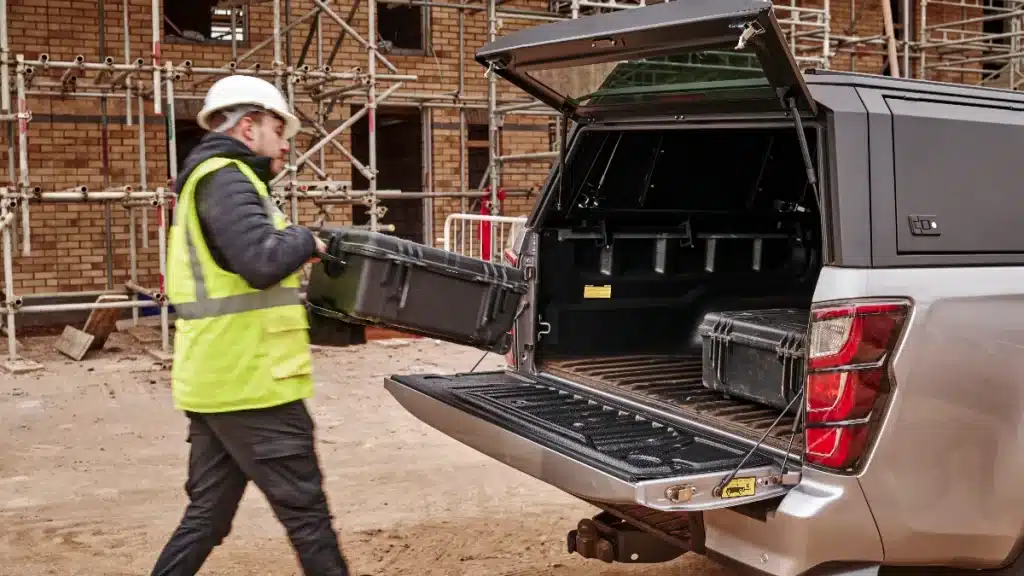
On top of that you get a lightweight commercial canopy ( which opens on all sides with lockable flaps) load-bed liner, rear door tints, protective seat covers and “Commercial” badging as part of the transformation into the D-Max Commercial.
One things for certain, this isn’t a lifestyle truck with a few bolt-on bits, it’s been specced from day one to graft. As well as save you tax.

Where the V-It’s definitely been designed to work, with Isuzu UK working with Gearmate to turn out a really practical way around the double cab tax rules.
Where the V-Cross Commercial really differs from most “take the seats out” specials is in how permanent it is - which is important because HMRC will have all these double-cab conversions in their crosshairs.
The rear passenger area is completely re-engineered into a secure load compartment with the seats, belts and fixings removed.
There’s also structural changes, like removing mounting points, that mean it can’t easily be converted back to a five-seater.
Because of that it’s registered from new as a two-seat commercial vehicle. In essence, this is no different from the taxman’s point of view to a single cab pick-up truck, the likes of which Isuzu already does as part of its Utility range.
All those changes matter, because HMRC has been looking very closely at double cabs that pretend to be vans during the week and family cars at the weekend.
That’s why Isuzu has built something that unambiguously meets the commercial definition. It has a payload over a tonne, no rear seats, permanent structural changes.
That all satisfies HMRC, but what about meeting your demands as a buyer?
We’ve seen these quick, reactive conversions done before and have to say some have been a bit underwhelming.
We’re not pointing fingers but SsangYong turned out some shockers on models like the Korando and even the much more recent Suzuki Jimny LCV wasn’t an entirely convincing effort.
We’re pleased to say that there’s none of that from Isuzu. It’s all done officially by Isuzu at the import factory, rather than via an aftermarket bodge.
It’s a really high-quality conversion, the bulkhead is solid and secure and the raised floor doesn’t waste any space as it incorporates underfloor storage.
The canopy is also a great bit of kit, with lockable sides and easy to open catches that release the gas strut-powered panels which gently glide open and remain in position. It’s so effortless it can all be done one-handed.
Because it’s a genuine commercial from day one, the numbers look very different to a high-spec double cab that’s fallen on the wrong side of HMRC’s new rules.
For 2025/26 the V-Cross Commercial qualifies as being fully VAT reclaimable, with a 100% Plant & Machinery allowance.
There’s also a flat rate of VED road tax for commercial vehicles (currently £345).
Most importantly of all, if you were to use this as your personal vehicle as well as a work tool you will only pay the company car tax for a commercial vehicle.
This flat rate of BIK works out at £335 per month rather than a CO2-based percentage based on the value of the vehicle as a multiplier of your income tax bracket. In other words it’s just over £4K a year rather than well over £1K per month.
D-Max Commercial tax benefits:
For a lot of SMEs, farmers and trades who are more interested in keeping HMRC happy than impressing the neighbours, those commercial numbers will matter more than an EV tax carrot.
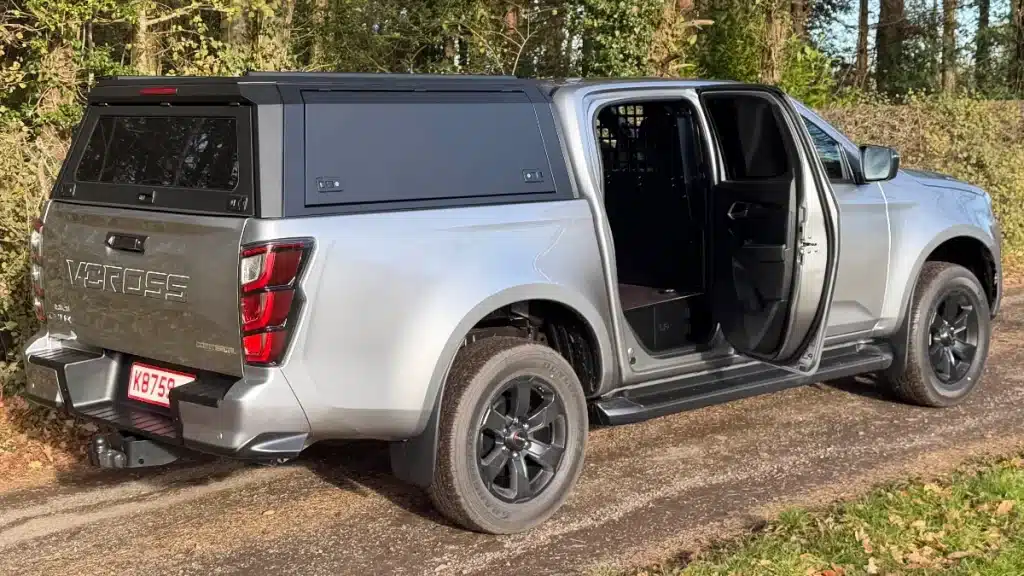
Isuzu has listened to what operators usually end up fitting themselves and for the D-Max Commerical bundled it into the spec.
That means it’s ready to work the moment you collect the keys.
Standard equipment for the D-Max Commercial includes:
It’s an honest spec list, the stuff you’d normally be haggling over at the parts counter or buying off eBay. But instead, it is already included, which should make life easier for fleet managers trying to budget whole-life costs or justify post-purchase upgrades.
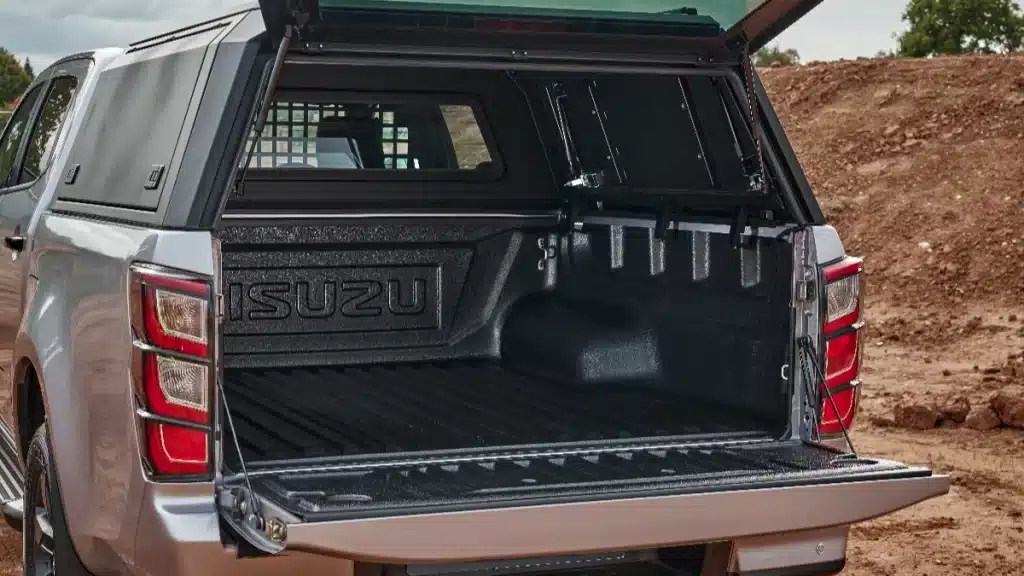
The Isuzu D-Max Commercial has the same engine as the rest of the D-Max family. That means a 1.9-litre four-cylinder unit, delivering 164hp and 360Nm of torque.
It's a solid lump, but it's definitley on the working end of the refinement spectrum, with a fairly loud chug and tickover and higher revs needed to extract the most out of this modestly sized engine. In it's favour is a decent 32.5mpg combined fuel consumption according to the WLTP test and because the D-Max is quite a light pick-up compared to many of its rivals, when unladen (at least) it's not a slouch either.
You'll be looking at 0-62mph in 13 seconds with the Auto transmission that is standard in the V-Cross Commercial.
Payload and towing has become a big issue for the pickup truck segment, not least because so many EVs are entering or about to enter the market.
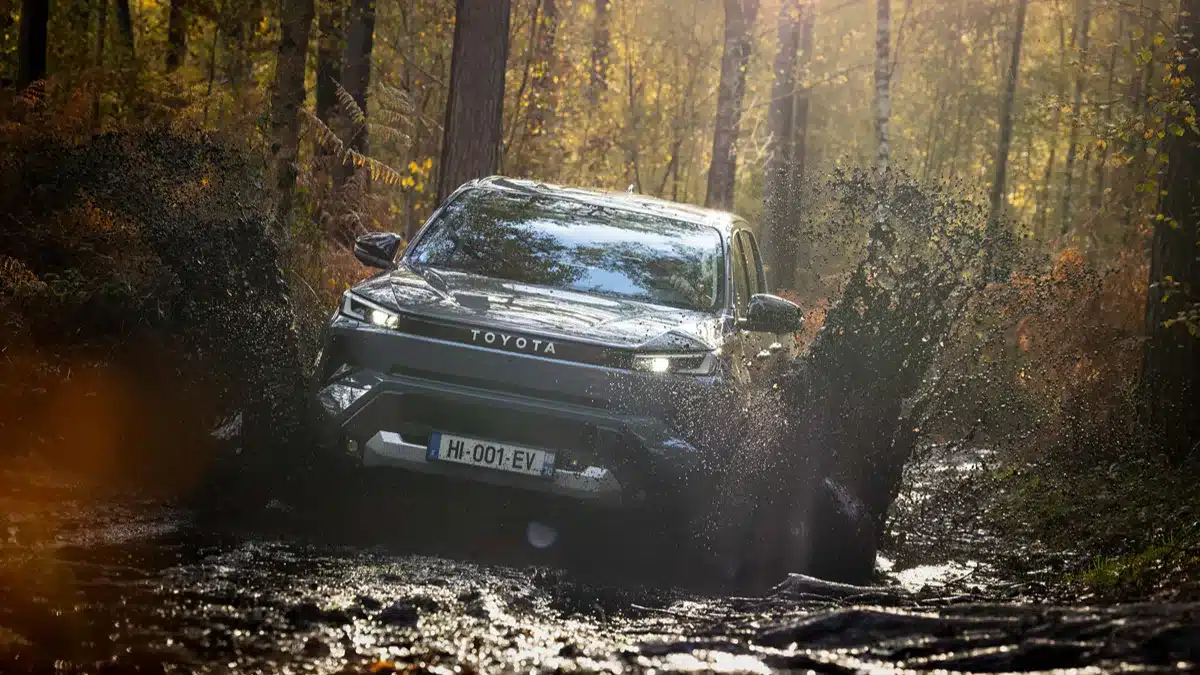
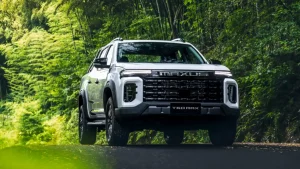
There’s the Toyota Hilux BEV and the Maxus eTerron 9, both of which fail to deliver on the one-tonne payload front which would qualify them as commercial vehicles. Add in the complication of them being regular double cab pick-ups and there’s less incentive to buy one over a diesel.
Where these EV pick-ups are being pitched at niche fleets with short daily routes and onsite charging (think utilities or farms towing for 40 miles then plugging in overnight) the D-Max Commercial is unapologetically old-school in what it’ll do. They means it’s a model suited for anyone who is genuinely looking for a truck to put to work. Provided you don’t actually need the rear seats, that is.
The D-Max Commercial has a payload over one tonne,meeting the magic threshold for VAT and making full use of that enclosed rear cabin plus the load bed.
A full 3.5 tonne towing capacity, which is the current class benchmark. It’s also got the tow bar is standard.
Then there’s the four-wheel drive system with shift-on-the-fly, rear diff-lock and Rough Terrain Mode. That makes it a properly workable 4x4.
In other words, where early EV pick-ups have compromised on payload and towing to make room for batteries, the D-Max V-Cross Commercial keeps the hard numbers that matter to most truck cust
Based on the well specced V-Cross trim, the Isuzu D-Max Commercial is not short of equipment but fundamentally the D-Max is there to work, so it’s a little less fancy than the interior of a Ford Ranger or VW Amarok.
That’s even more true of the Commercial variants because as standard it comes with leather seats that are then covered by a fabric seat cover.
Those seats are heated though, and have an 8-way adjustment with lumbar, so it’s possible to get really comfortable.
There’s dual zone climate control for you and your passenger and you’re not short of infotainment and display screens either. There’s a 9-inch touchscreen with wireless Apple CarPlay and Android Auto as standard, with a DAB radio and eight speakers. There’s also a 7-inch multi-driver’s display, USB-C ports for charging and plenty of cubbies as well as proper cupholders.
V-Cross trim also means you get keyless entry and push-button starter. Not bad for a pickup you’d expect to be a basic worker.
Because of the high trim level, it’s the kind of cab you can happily spend all day in, whether you’re a director doing site visits or a contractor running between jobs.
Then there’s the useful section where the rear seats would normally be.
If you think about the amount of space the rear seats or a pickup truck actually occupy, you can quickly get the idea that there’s quite a lot of decent storage space back there.
Because this is a permanent two-seater, the space behind the front seats is all about secure cargo rather than half-hearted occasional seating.
The big question is how useful is that storage area? Well, it's pretty good. There's about a metre's worth of space in the back, and most of the full height of the cabin from just above the level of the footwell.
A solid floor has been installed, and so as not to waste the space where your feet would go, there's a little hatch in the side of the solid platform floor to give you additional storage. Given the target audience of farmers, might be useful for a shotgun but the opening is quite narrow and the door opening angle means whatever you put in there will have to go in on the slant, which could make getting longer items in quite tricky.
We found the overall quality of the conversion to be really rather good, though. There bulkhead is solid, and although it does intrude a little bit into the rear cabin, making the door opening apeture quite narrow, it's a nicely done conversion and we'd feel more than comfortable stacking boxes directly behind our seats.
The tinted windows, done using a film, are completely opaque, and there's also little chance of an opportunistic theif being able to make off with your kit, simply by smashing a window.

The D-Max range has leaned heavily on safety in recent years and the Commercial inherits the full suite of ADAS equipment.
Now standard items include autonomous emergency braking, forward collision warning and turn assit. There's also lane keeping, and emergency lane keeping, as well as traffic jam assit.
Blind spot monitoring and rear cross traffic alert (with braking) stop you from accidentally hitting other drivers, while all-round visibility is helped with front and rear parking sensors, a reversing camera and rear radars.
For driver comfort there's an intelligent adapative cruise control system and an intelligent speed limiter.
On top of that there are front, side, curtain, driver’s knee and even a centre airbag between the front occupants.
For fleets writing risk assessments and chasing low insurance premiums, that’s a very appealing proposition.


The V-Cross Commercial is backed up with a five-year / 125,000-mile warranty and five years of UK & EU roadside assistance, plus a 12-year anti-corrosion warranty.
The engine itself is the same 1.9-litre engine you'll get in other models in the range, so there's nothing special about its fuel consumption.
We managed a rather uninspiring 28.2mpg during our test drive, but this involved a lot of trashing about unladen through country lanes. Could you do better, yes? Would it be worse? Almost certainly if laden or towing.
Price at launch is £41,995 for an automatic (that's the only option on the V-Cross trim), the full conversion and all the extra equipment, like the tow bar electrics. That's a pretty decent price, considering the amount of work that's gone into it, the equipment level and the fact that it is just over £1k more than a standard D-Max V-Cross.
Isuzu describes the D-Max V-Cross Commercial as “premium comfort + serious capability + commercial compliance”, and that’s pretty much the nail on the head. It's about as upmarket a pick-up as you need, but it can still get the job done, and do it without incurring an expensive BIK to the taxman.


It keeps the full working-truck numbers of a one-tonne payload and 3.5-tonne towing. There's plush spec that company car drivers actually want - albeit underneath rather unpleasant seat covers, and it has genuine commercial vehicle status. That means you can reclaim the VAT, it getss the low fixed BIK of a van, and it has the simple flat-rated road tax.
The big question is if you're ready and willing to sacrifice those rear seats. If the answer is yes, then the D-Max is the first and at the time of writing, only solution to a problem newly created. It's a great solution and ideal for all manner of industries, if you're willing to look beyond the need for those occasional rear seats that you probably hardly ever use.