There has been an huge jump in the number of small electric vans being brought to market in 2022 and with technology moving so quickly it’s hard to keep up.
Buyers are understandably wary of committing to new technologies and their capabilities can vary widely.
Quiet, comfortable and way bigger than the previous generation vans, the Kangoo E-Tech, eCitan and Townstar electric really are the best small electric vans of 2022.
Van Reviewer is here to make it easier for you, though, with a round-up of the best small electric vans in 2022. Despite out focus being on the best small electric vans of 2022, they do still come in a wide variety of shapes and sizes, there’s also cheap and cheerful to proper premium passenger car-based electric vans and hybrids too.
We rank them in order of what we like best, but to be honest they’re all really good – so check out our little verdict on each.
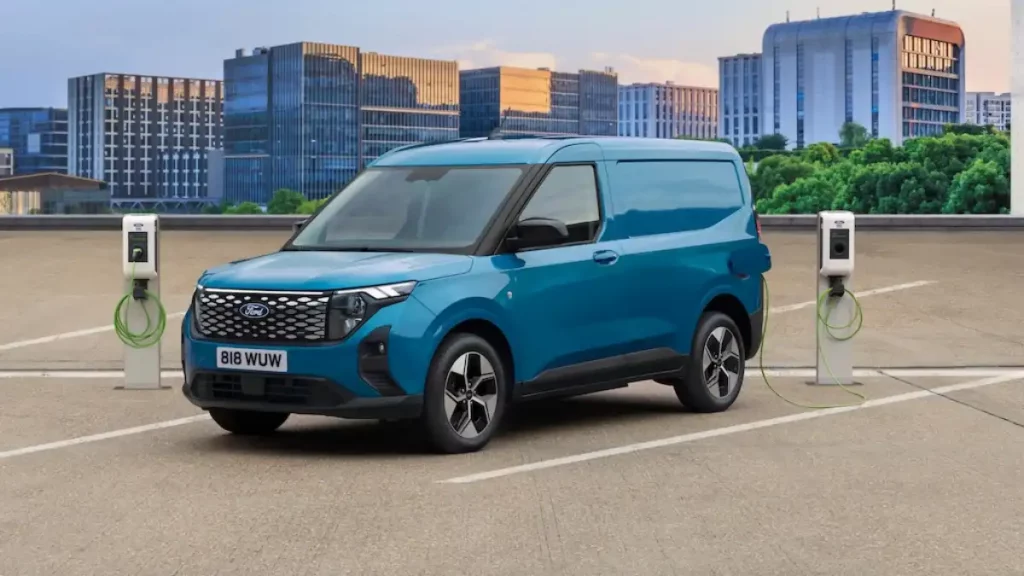
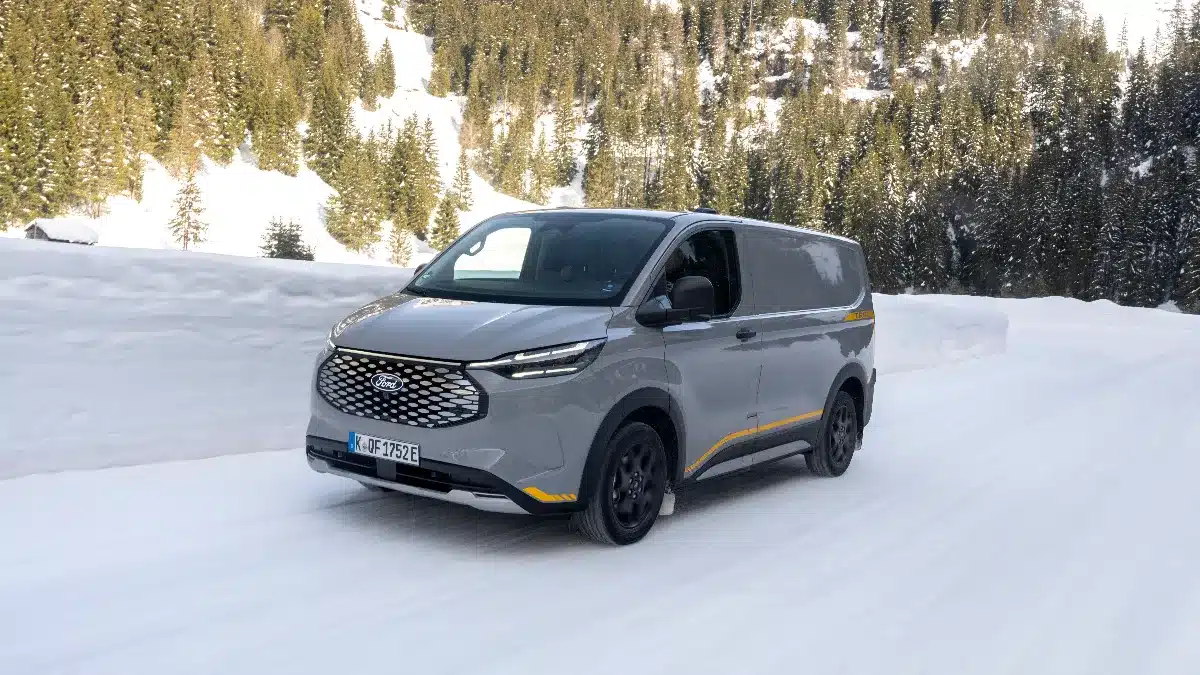
Ford has done it again, downsizing it's brilliant Ford E-Transit Custom into a much smaller electric van. The E-Transit Courier is so good it'll make you skip over the slightly larger Ford Transit Connect altogether (also because that's only available as a hybrid) and go straight for this great little electric Transit.
The E-Tranist Courier is our pick of the bunch in 2026 for the best small electric van as it sets a new benchmark, combining impressive load space with refined electric drive and excellent value.
There's smart packaging which makes for a genuine working-van, but the Ford E-Transit Courier dimensions make this Transit city friendly as well. The electric driveline gives you instant torque, and the chassis provides car-like handling and a comfortable cabin, making it easy to live with day-in, day-out.
Add in strong payload capability, modern tech and Ford’s growing electric van expertise, and it stands out as the most complete small electric van package on sale.
The E-Transit Courier shows just how well electric power suits a small van. It’s quiet, smooth and effortless to drive, yet still feels every bit as practical and hard-working as its diesel counterpart.
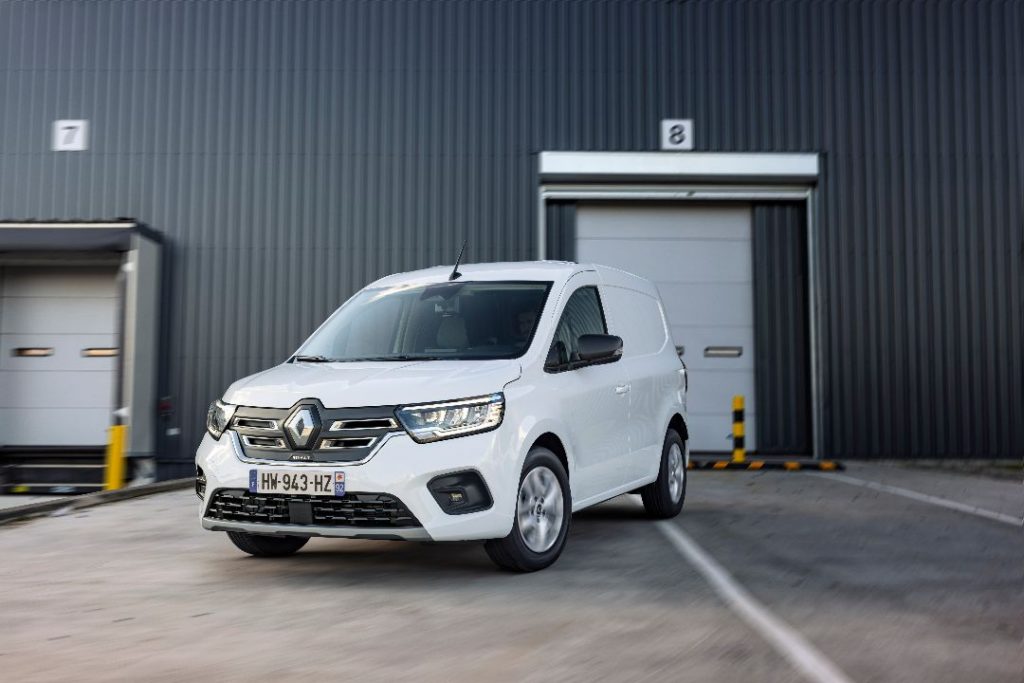
The Renault Kangoo is the oldest and most established name in the small electric van field but the latest version shares only its name with the trailblazer model launched in 2012.
The latest van returns with a new E-Tech name to reflect the rest of the electrified Renault models and is accompanied by two cousins with versions from Mercedes-Benz and Nissan. The three models offer a different take on the electric city van, with Mercedes opting for a more upmarket interior and more standard safety systems than the Renault, while Nissan plays off its warranty support and value.
All three vans, however, use the same 90kW motor paired to a 45kWh battery pack. Range for the vans is 186 miles, while charging can be carried out using an 80kW supply to add more than 100 miles in less than 30 minutes. Slower 22kW charging is also possible as well as a from domestic single-phase 7kW supply though a wallbox which is said to take six hours.
The van is available in two wheelbase lengths with the standard van having a 3.9m3 load volume and the long-wheelbase model up to 4.9m3 of capacity. Payload for regular vans will be up to 600kg but thanks to a higher gross vehicle weight the larger models can transport up to 800kg. They also have a 1,500kg towing capacity.
Prices start at around £30,000 for the Nissan version.
VERDICT: The diesel Renault Kangoo and Mercedes-Benz Citan are both excellent vans, and while the Nissan Townstar Electric is only available as a petrol model, the real strength of these models is the electric version.
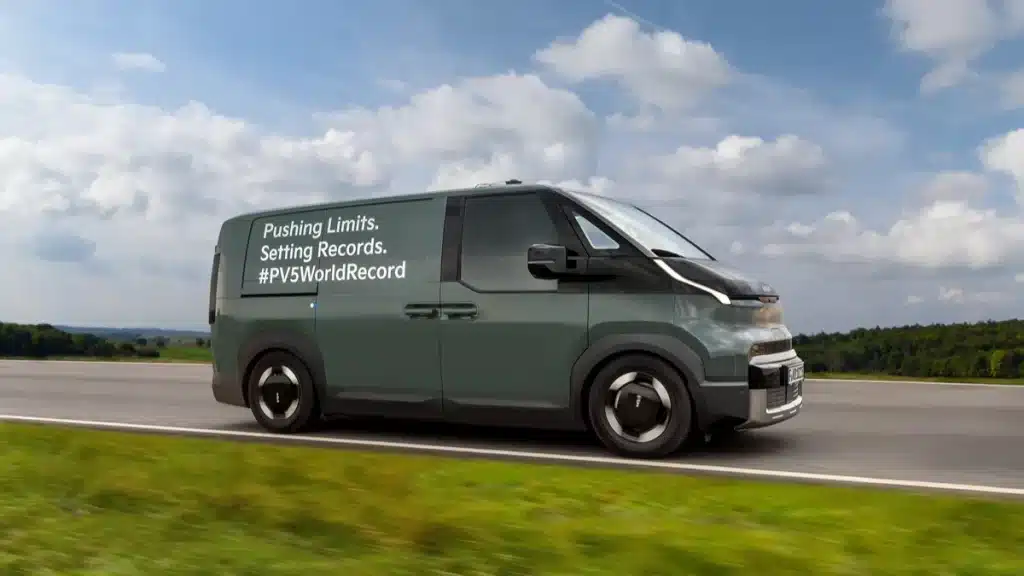
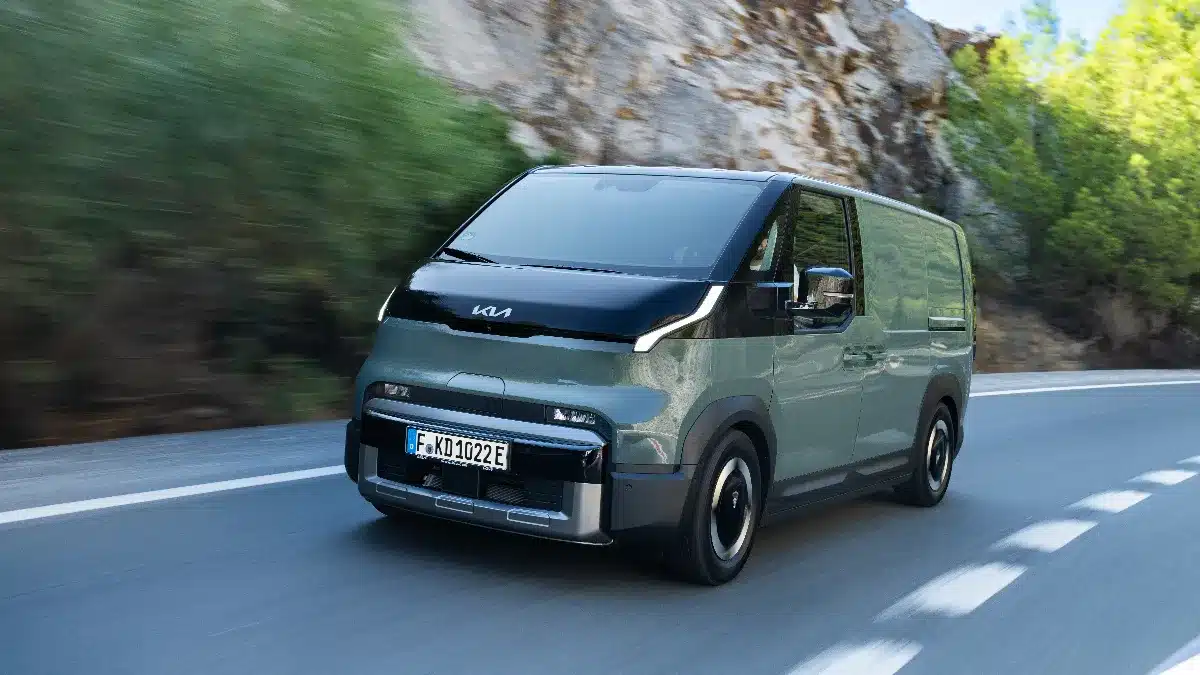
It's a bit of a controversial inclusion, because the PV5 Cargo sits in that awkward space between being a big litte van, or a small medium van. Whatever it is, it's on this list, so here's what you need to know.
The Kia PV5 stands because it's certainly the significant new van of the year thanks to its clean-sheet approach and Kia’s wider Platform Beyond Vehicle (PBV) strategy.
Not only is there the van version, but there's also the PV5 Passenger and the whole skateboard chassis has been engineered to support multiple body types and conversions.
It's got a software-led architecture which underpins its connectivity, and will allow it to get over-the-air updates and seamless integration with fleet systems. The electric drivetrain has also proven itself with a Guinness World Record, travelling nearly 700km.
You can get up to 680kg of payload, and the PV5 Cargo dimensions means that you're actually getting medium van load volumes but in the footprint of a small city van.
The Kia PV5 has been designed from the ground up around electrification and software, underlining the forward-thinking nature of the whole PBV concept.
Verdict: It might not be a known name in the LCV world, but Kia has certainly mastered electrification. The PV5 Cargo would be a great choice for anyone looking to dip a toe into electric van ownership. It's comfortable and capable. A perfect double act.
Prices start at £27,645 before any grants.
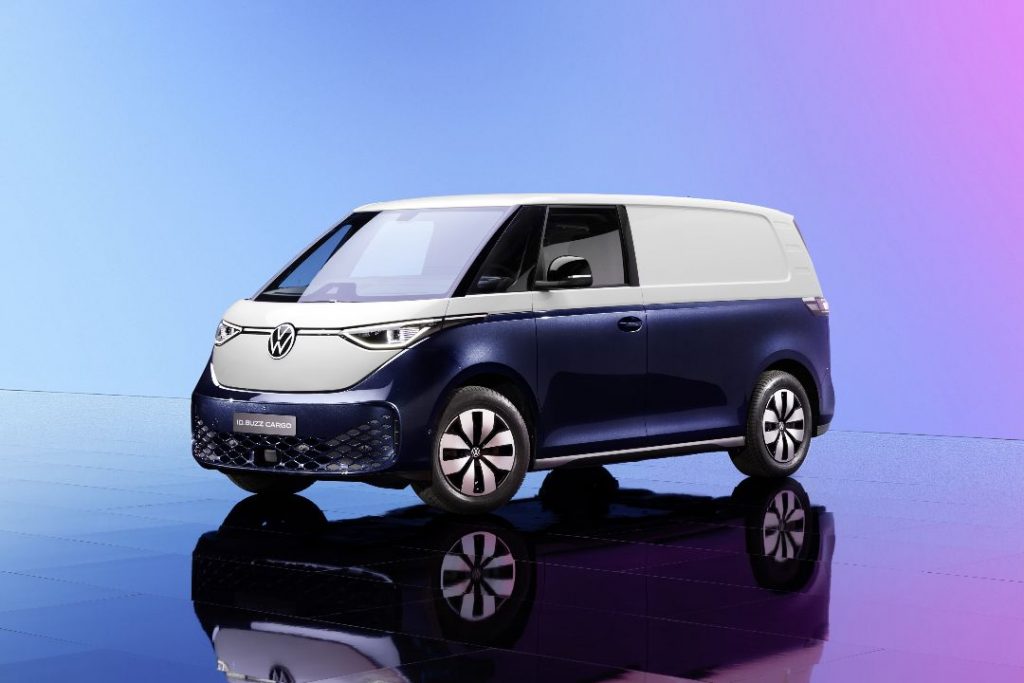
The Volkswagen ID Buzz Cargo is a brand-new electric van that takes its inspiration from the classic Volkswagen Type 2 campervan.
It sits between the Volkswagen Caddy and the Volkswagen Transporter T6.1 in the Volkswagen range in terms of its size and is built on Volkswagen’s shared MEB electric drivetrain platform. Despite being a van, with a load volume of up to 3.9m3 and 650kg, the ID Buzz Cargo actually borrows many of its features from Volkswagen’s passenger car models including the Volkswagen ID.3 and the Volkswagen ID.4 passenger cars.
A 150kW motor powers the van, producing 310Nm of torque in the process. There is currently just one battery option, a 82kWh unit providing a claimed range of up to 256 miles. Charging from 5% to 80% can be done in less than 30 minutes thanks to a maximum charge rate of up to 170kW on a DC charger.
For those needing more payload, a smaller battery pack size is likely to be added to the line-up reducing range but pushing capacity to around 750kg.
Two trim levels are available, Commerce and Commerce Plus, with entry-level models receiving a high level of equipment including LED headlight, a heated driver’s seat, front and rear parking sensors, 10” touchscreen and wireless App-Connect for Apple CarPlay and Android Auto. Commerce Plus models get Adaptive Cruise Control, keyless entry, Park Assist Plus with memory function which allows you to effectively record difficult parking manoeuvres to be automatically repeated. There are also safety features including driver assistance systems like Travel Assist, Lane Assist, Side Assist and Emergency Assist.
Prices start from £38,125 and includes three services and an MoT.
VERDICT: The Volkswagen ID Buzz Cargo’s biggest problem is its price but if you can get over that it is a brilliantly trendy, practical and accomplished van. It’s really a passenger car at heart, but unlike so many where the seats are removed and some blacked out windows added, the ID Buzz Cargo has been co-developed as one so it gets the best of both worlds. Loads of smart tech, super-fast charging, and reasonably good at both volume and payload. It's very nearly the best small electric van of 2022.
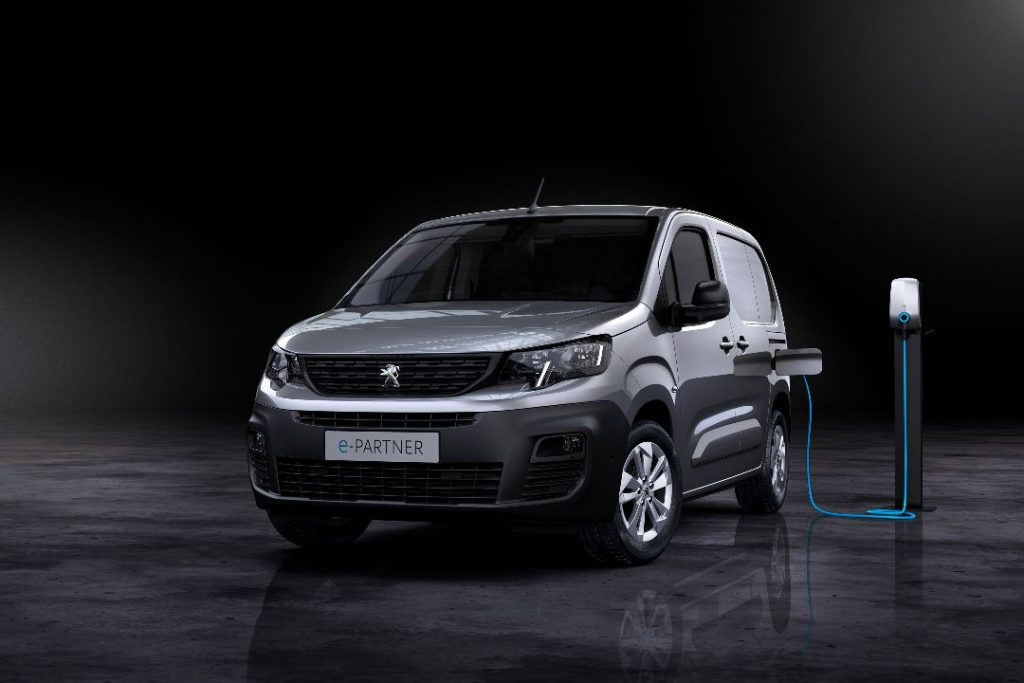
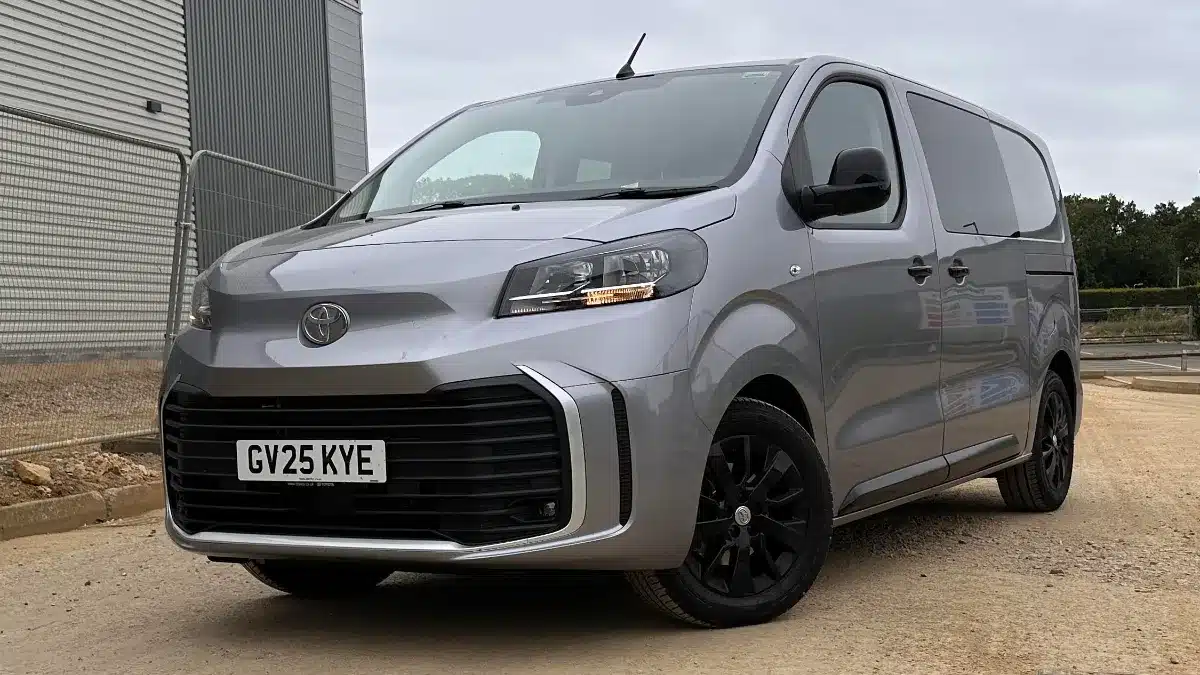
The city vans of Citroen, Peugeot, Toyota and Vauxhall have taken the successful underpinnings of the medium-sized electric van from Stellantis and applied it to the compact packaging of their small van range.
Built in France for Stellantis siblings Citroen, Peugeot and Vauxhall and also produced on behalf of Toyota, the van leads the small van sector with a 171 mile range from a 50kWh battery pack and is paired to a 100kW (136bhp) motor producing 260Nm of torque. Despite being small, the vans offer a load capacity of 4.4m3 thanks to a load-through bulkhead with folding passenger seat which extends the 3.3m3 and 3.9m3 capacities of the standard and long wheelbase vans.
The four vans can also have a very respectable payload of up to 800kg and have a towing capacity of 750kg. For added versatility, they can be specified with a E-Power take off system to power conversions such as fridge units. Charging can be carried out using 100kW charger, taking the battery from zero to 80% in 30 minutes.
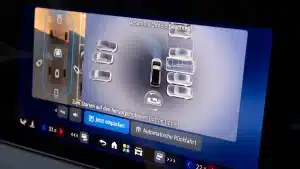
The van’s comfortable cabin is focused around the driver with an angled 8in infotainment and navigation touchscreen, and includes several premium features like wireless phone charging and a Surround Rear View system giving a 360-degree view around the van. In total there are 18 driver assistance systems designed to make the van safer for both drivers and other road users.
Prices start from around £27,000 depending on the brand.
VERDICT: These small vans have been on sale for more than a year, coming to market in the autumn of 2021 but they still manage to deliver what the electric audience needs. They’ve not been left behind by the changes in technology either, with powerful motors, decent battery range and the option of both standard and high specification models.
If you want a decent all-rounder these three make a good bet, and the Toyota even comes with a longer warranty.
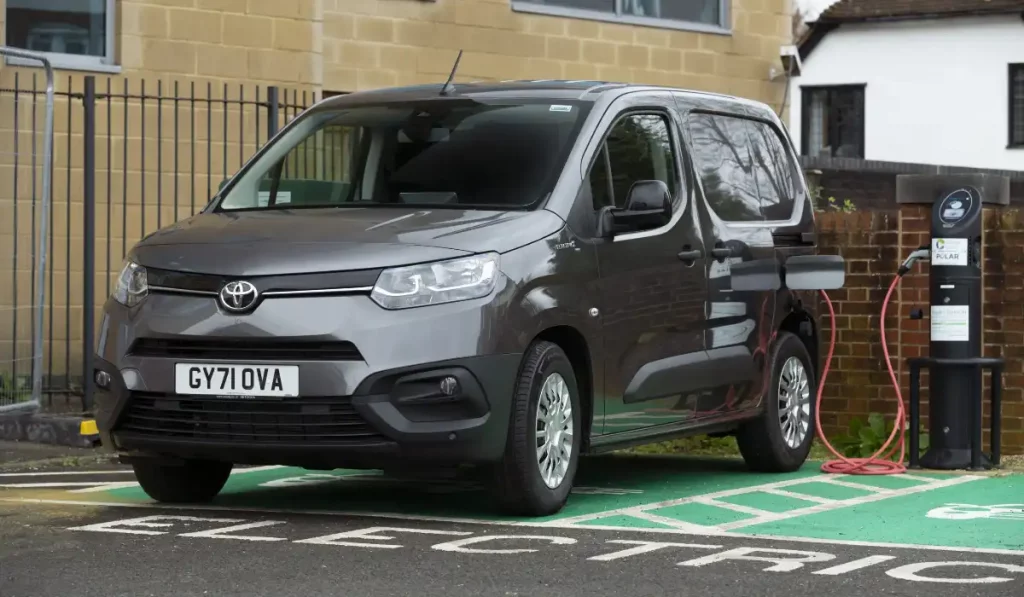
All of the above, as the Toyota Proace City Electric model off the Stellantis production line, but there's a key difference.
Apart from the Toyota badge, and access to the Toyota dealer network, you also get a five year warranty. That's quite a big bonus for the savvy buyer. Is it enough to justify the price - the list price is slightly higher?
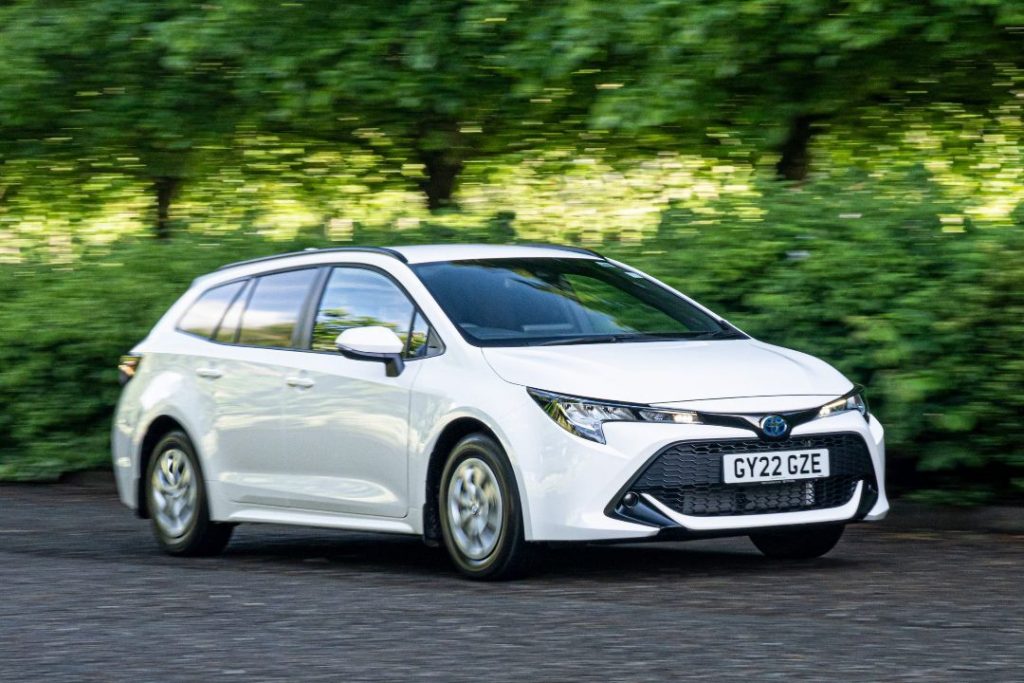
It’s been years since the Astravan disappeared from sale but the Toyota Corolla Commercial Hybrid van more than makes up for the shortfall.
Based on the Corolla Touring Sports estate passenger car, it is a full self-charging hybrid electric van. It looks, feels and drives like a car, but has a healthy 1.3m3 loadspace area in place of the rear seats.
Power comes from a 1.8-litre petrol engine and is paired to a 53kW electric motor, together the petrol hybrid Corolla Commercial produces up to 90kW (120bhp) and 142Nm of torque.
It’s the only engine choice and there’s also only one trim level but the interior is far from your typically commercial vehicle.
The Corolla Commercial gets a decent level of equipment including heated seats, dual-zone climate control and a reversing camera. There’s also LED headlights as standard. When it comes to safety, the Corolla Commercial Hybrid isn’t short on features. It gets adaptive cruise control, high beam assist headlights and lane keep assist as standard. Lane Trace Assist also helps to keep the van in the centre of the lane even while turning slight bends, and there’s Road Sign Assist to remind you of the speed limits with an audible or visual warning.
In the rear, the loadspace floor gets a rubber lining and there is a full-height steel bulkhead to protect the front seat occupants. There’s also an interior light and a 12v power outlet but the important figure is the 425kg payload and 750kg towing capacity.
Prices start from £22,149, excluding VAT.
VERDICT: A self-charging hybrid has managed to sneak into our best small electric vans of 2022 review but with good reason. That’s because the Toyota Corolla Commercial Hybrid is one hell of a package.
It’s a car to van conversion like any other with some questionable sticky window coverings but average fuel consumptions knocking on the door of 60mpg in the real world can’t be sniffed at.
It doesn’t suit everyone, but it brings back a niche segment and adds an electric spin to it. We’re grateful for the effort.

The smallest proper van in this list, but a surprising addition because it's actually really quite useable. You would think that the Dacia Spring Cargo size makes it pretty hopeless as a van, but with a total length of 3.7m, and width of 1.58m and a height of 1.51m, there's actually quite a lot of space in this little car-derived van.
The Spring Cargo payload of up to 370kg isn't too bad either, and you'll be genuinely shocked to read how light the thing is.
Even more shocking is the price. The Dacia Spring Cargo is priced from just £15k. Bargain.
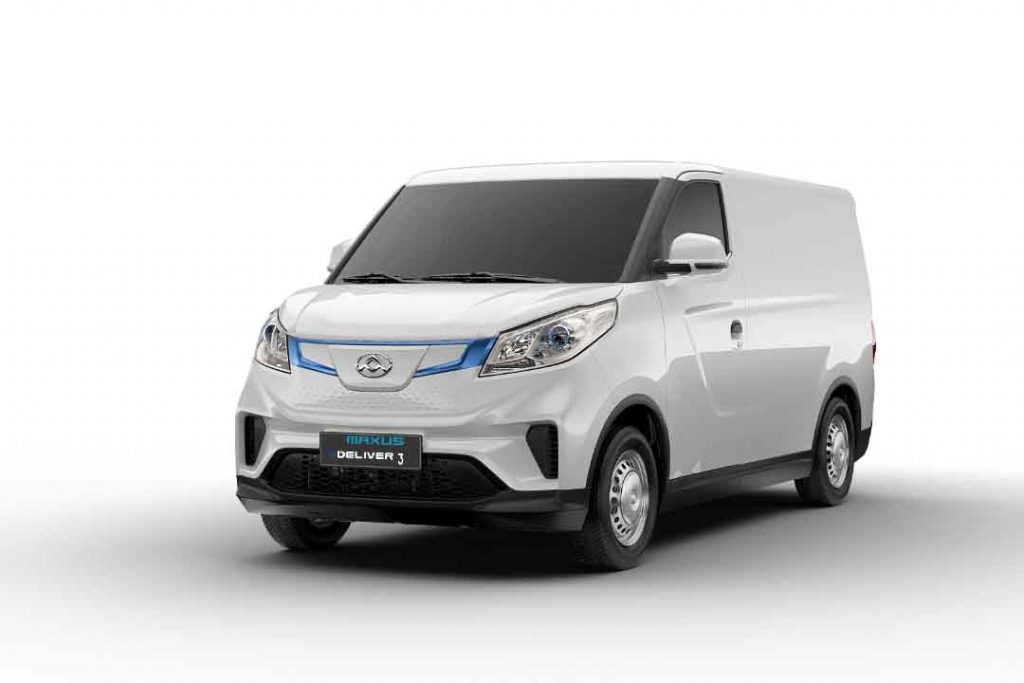
Arguably the first electric van to be launched that was conceived purely as an EV, the Maxus E Deliver 3 was nevertheless a big departure for Chinese-owned Maxus whose line-up had previously consisted of both diesel and electric models.
Designed from the ground-up as a pure electric van with a heavy focus on its aerodynamic performance, the e Deliver 3 has a claimed range of up to 213 miles for its WLTP city range and 151 miles for the combined WLTP standard. It has the option of two battery packs with either 35kWh or 50kWh cells and is paired to a 90KW motor producing 255Nm of torque.
It can carry up to 945kg of payload and despite only being available in a short wheelbase has a volume of 4.8m3. It is the smaller sibling to the large electric van Maxus E Deliver 9 and Maxus E Deliver 7.
Charging times using a DC rapid charger will see the battery level go from 5% to 80% in just 45 minutes, while a three-phase 11kW AC charge will take around five hours.
Standard features include air conditioning, built-in Sat Nav, smartphone mirroring with Apple CarPlay and Android Auto compatibility as well as USB and Bluetooth connectivity.
Operators can also have the E Deliver 3 as a chassis cab and can get real-time telematic data through a partnership with Geotab.
Its most appealing feature, however, is its price with models starting from just £27,000 with a government grant.
VERDICT: We’d love to put the E Deliver 3 much higher in our list of the best small electric vans you can buy in 2022 but it’s not quite the complete package. The battery range is impressive, and there’s adequate power from the motor, but its all the bits and piece in the cabin that let it down. An infotainment system that is frustrating (when it works) and a other little software gremlins too.
Launched in 2020 it fills a natural hole left by the Nissan eNV200 which is definitely a good thing, but it can’t match the finesse of the newer models.
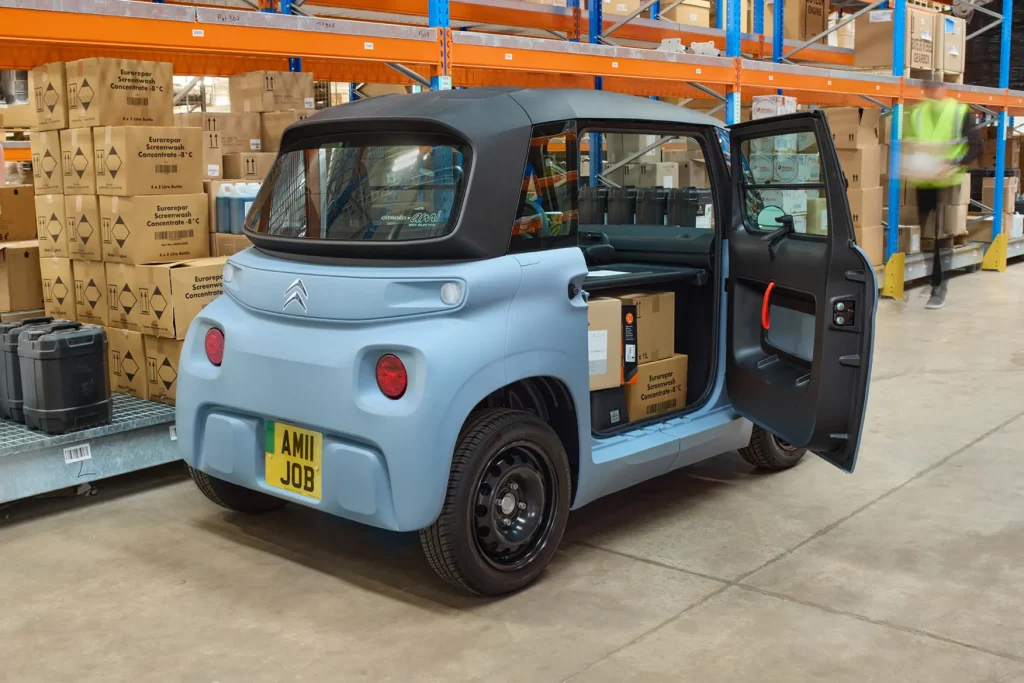
We're going to sneak the smallest van currently on sale into this line-up because well... why not. It's cute, and a good bit of fun, but it's pretty much hopeless as a van.
A mobile branding exercise on wheels is what we'd consider the Ami Cargo to be and that's alright with us, just don't expect to carry much payload or much volume either.
Prices start from £7,999 which for a full electric van isn't bad at all, except, like we said you can't do a great deal with it. Did we mention they're cute and fun?
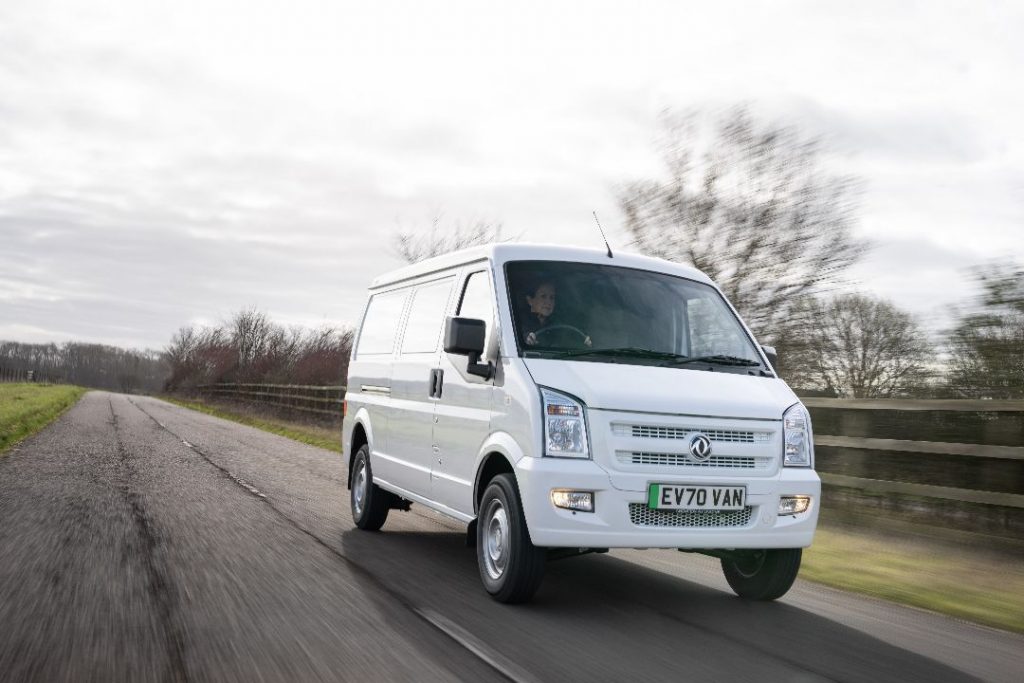
Chinese-made DFSK vans have made a comeback in the UK through importer Innovation Automotive with the quirky midi-van offering a cheap entry-level price to electric van ownership.
The DFSK EC35 looks like a typical Japanese-style microvan with high sides and a narrow width of just 1680mm. It’s unusual proportion don’t mean it is lacking in space with a maximum loadspace volume of 4.8m3 and an equally impressive payload capacity of 1,015kg thanks to its lightweight 1585kg kerbweight. It has a hinged rear tailgate and gets twin sliding doors as standard.
Power comes from a 60kW (80bhp) motor paired to a 39kWh lithium-ion battery with 200Nm of torque. While options are few and far between, one thing you can choose is the maximum speed limit of the van, with a 50mph limited model or a faster 62mph van. Depending on which version you choose will dictate how far you might be able to travel with a claimed range of 101 miles or 166 miles, according to the WLTP testing cycle, for the slow and fast versions respectively. The DFSK EC35 is able to be charged at a maximum rate of 40kW with the battery level going from zero to 80% in around 60 minutes. Topping up the battery to 100% on a 40kW charger will take 90 minutes, while charging from a 7kW wall box will take 6 hours.
Prices start from £20,999 excluding VAT.
VERDICT: Being entirely honest with you, the DFSK is only on the list out of courtesy. Like the DFSK Loadhopper that came before it, it’s not a particularly good van.
But, it will certainly do the job for the right sort of person. If you need to move things around at a walking pace, don’t want to go all that far or need to charge up that often it might just be the van for you.
If you spend more time out of the van than in it, then give it a chance. The price tag is too good not to consider it.
| Small Eelctric Van | Height (mm) | Width (mm) | Length (mm) | Battery range (miles) | Charging time (mins) | Estimated miles per charge minute |
|---|---|---|---|---|---|---|
| Ford E-Transit Courier | 1,852 | 1,813 | 4,343 | 181 | 23 | 6.3 |
| Peugeot e-Partner | 1,796 | 1,848 | 4,403 | 213 | 30 | 5.7 |
| Fiat e-Doblò | 1,796 | 1,700 | 4,401 | 213 | 30 | 5.7 |
| Vauxhall Combo Electric | 1,860 | 1,848 | 4,403 | 209 | 30 | 5.6 |
| Citroën e-Berlingo | 1,812 | 1,848 | 4,403 | 212 | 30 | 5.7 |
Published:
Last updated: