After a relatively quiet year for new vans, 2026 is already shaping up to be a bumper year for new light commercial vehicles.
With electric vans continuing to dominate the new van market, we’re expecting 2026 will see even more electric vans reviews hitting the site, but after the European Commission back tracked on sending the whole automotive industry completely zero emission we’re expecting a few more diesel models to sneak into product plans as well.
So, here’s a rundown of some of the new vans reviews you can expect to find on Van Reviewer this coming year.
We start off with a cracker. A sleeping giant is awaking in Stuttgart. Mercedes has been quiet for a while, we’ve barely heard a squeak out of them since the eSprinter was launched in early 2024, but 2026 is set to be a massive year with at least one new model, likely to be the replacement for the Vito and eVito.
Late last year the German manufacturer showed us The Boulder concept, which was a teaser for the direction bother a new Vito and new Sprinter will be heading, and based on the VAN.EA and VAN.CA platforms.

The first model will be a passenger van, or VLE, which will be the posh model used for camper vans like the Marco Polo, but not long after that we’ll see a van version.

Nothing is confirmed about names, but as The Boulder concept wore the Sprinter name, we’re expecting the Vito and eVito badges to continue.
The Vito dimensions will likely change and we’ll expect a lot more sizes of the eVito to be available, but fundamentally this will be Merc’s medium van. The big question is will the platform be flexible enough to go smaller and fill the gap left by the departing Citan?
Speaking of flexibility there’s a new name on the scene, Flexis.
The joint venture between Volvo Group and Renault Group is a curious one, not least because it also involves a giant French logistics partner, CMA CGM.
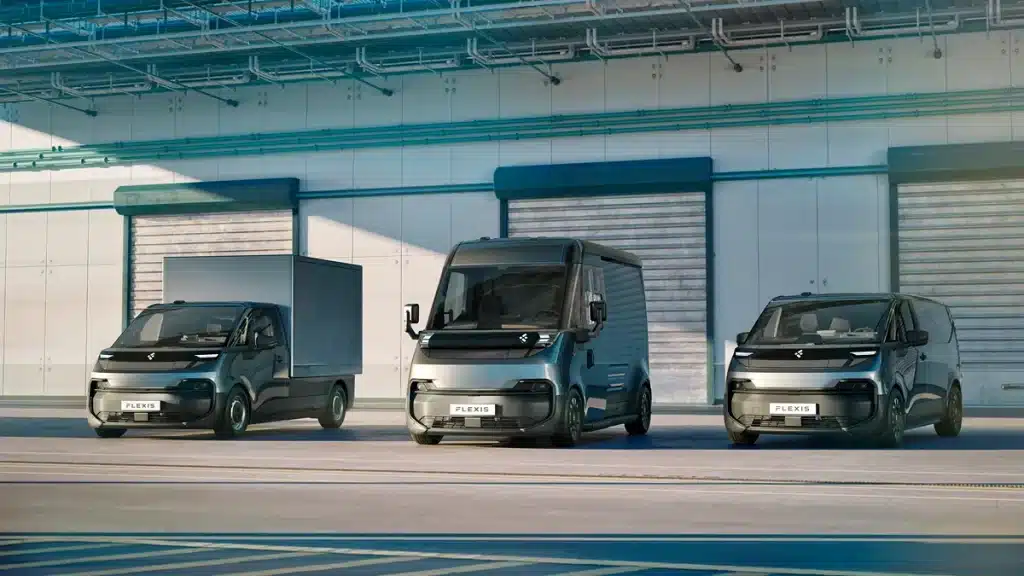
Speaking with Flexis CEO Philippe Divry at Solutrans in November, he told us how Flexis and its software defined van will look to tackle and reshape the fleet market, and has already signed letters of intent with several large fleets who will be looking to utilise this disruptive platform to keep pace with the rapidly evolving demands of B2B and B2C deliveries and logistics.
We can expect the Flexis products to appear on fleets as seed vehicles towards the end of the year.
This really is a product to keep an eye on, not least because it’s born from the same platform as the Flexis vans.
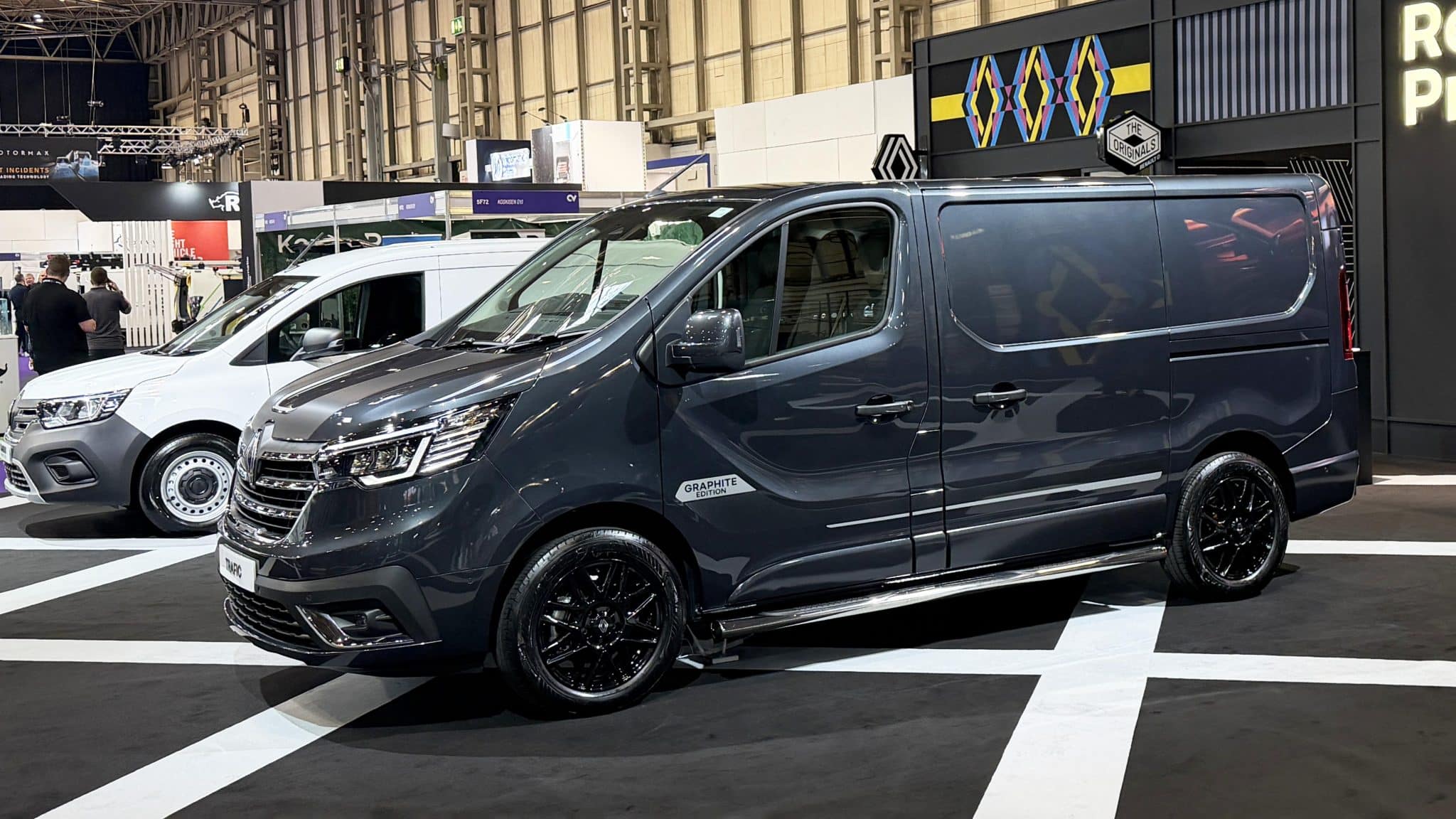
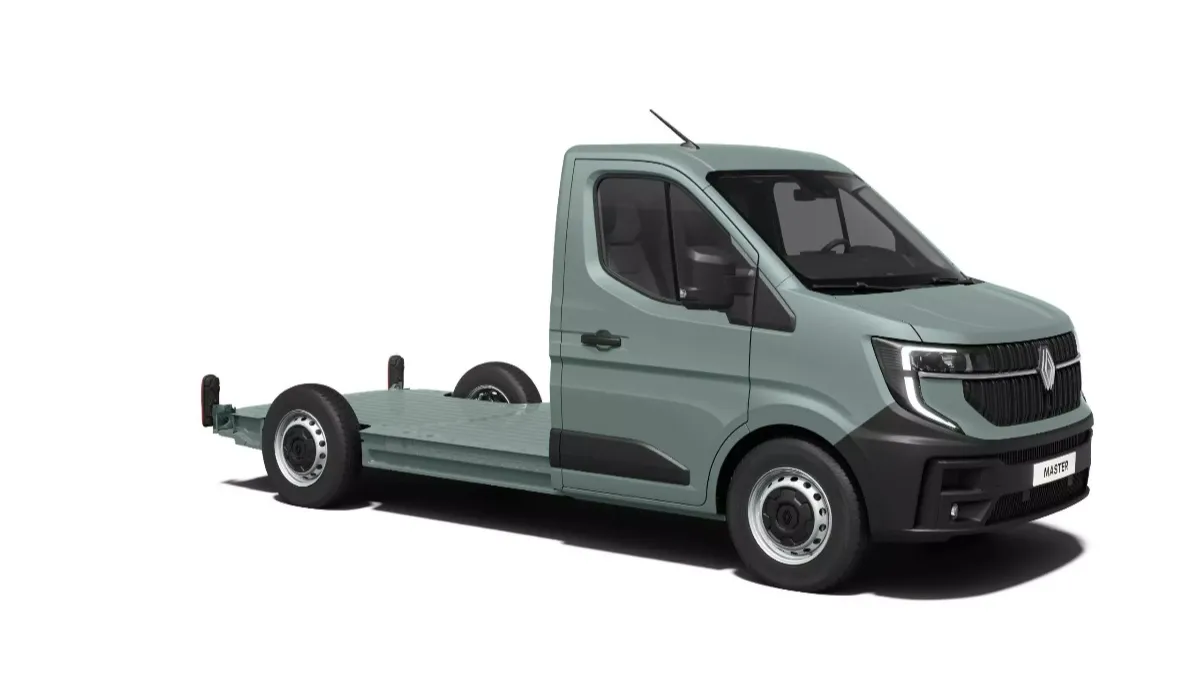
Like Mercedes’ one size fits all solution, the electric Trafic platform will see medium electric models and large electric vans, but there’ll also be a chassis cab which will give us solutions like box and fridge vans.
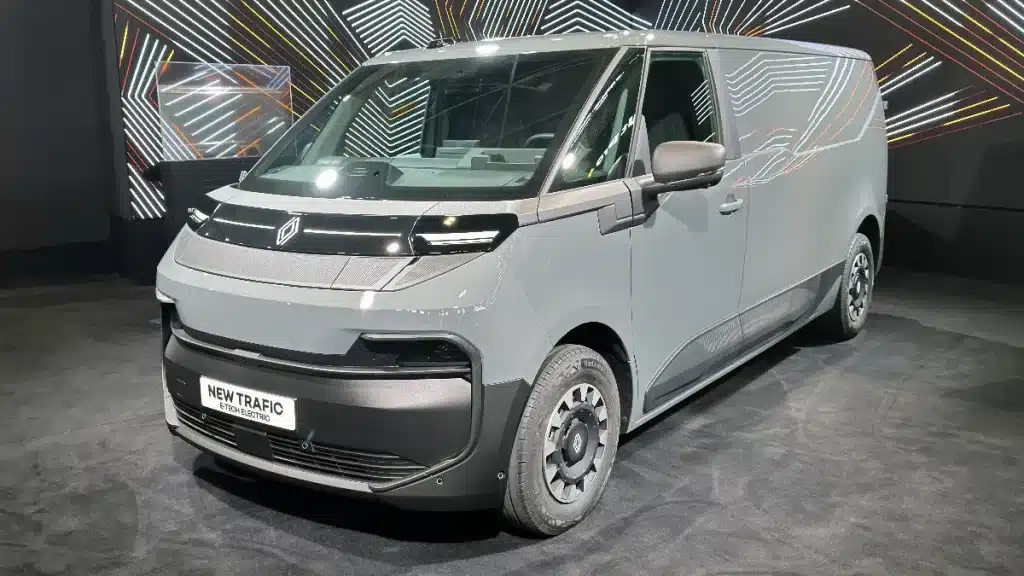
Renault was previously calling this the Renault Goelette, but after debuting the new Trafic E-Tech at Solutrans it looks like the chassis cab and other variants will all sit under the Trafic umbrella.
They’ll use an 800V architecture for faster charging and the Trafic dimensions will totally change from the current model with a load volume of between 5.1 and 5.8 cubic metres.
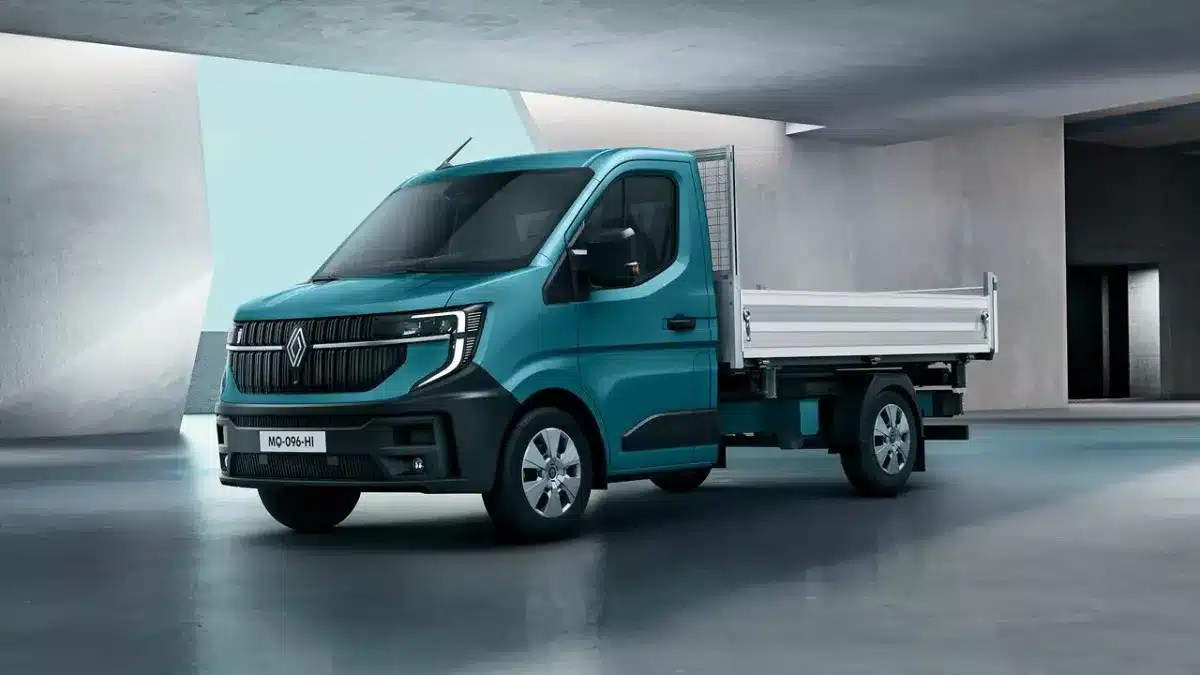
We’ll get to see more from these new Renault vans in the second half of the year. When a production version of the Renault Estafette, a Renault Master size delivery van, may also be revealed at the massive Hannover IAA trade show in September.
Is there anybody Stellantis won’t sell their vans to? Iveco has forged a reputation for toughness with its Daily van, but big and strong don’t automatically lend themselves to electric vans.
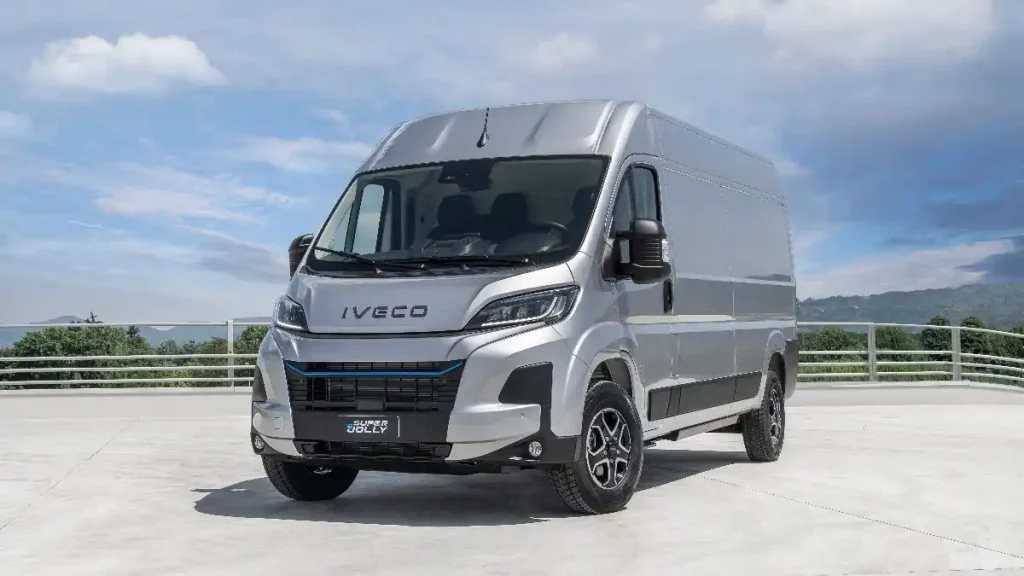
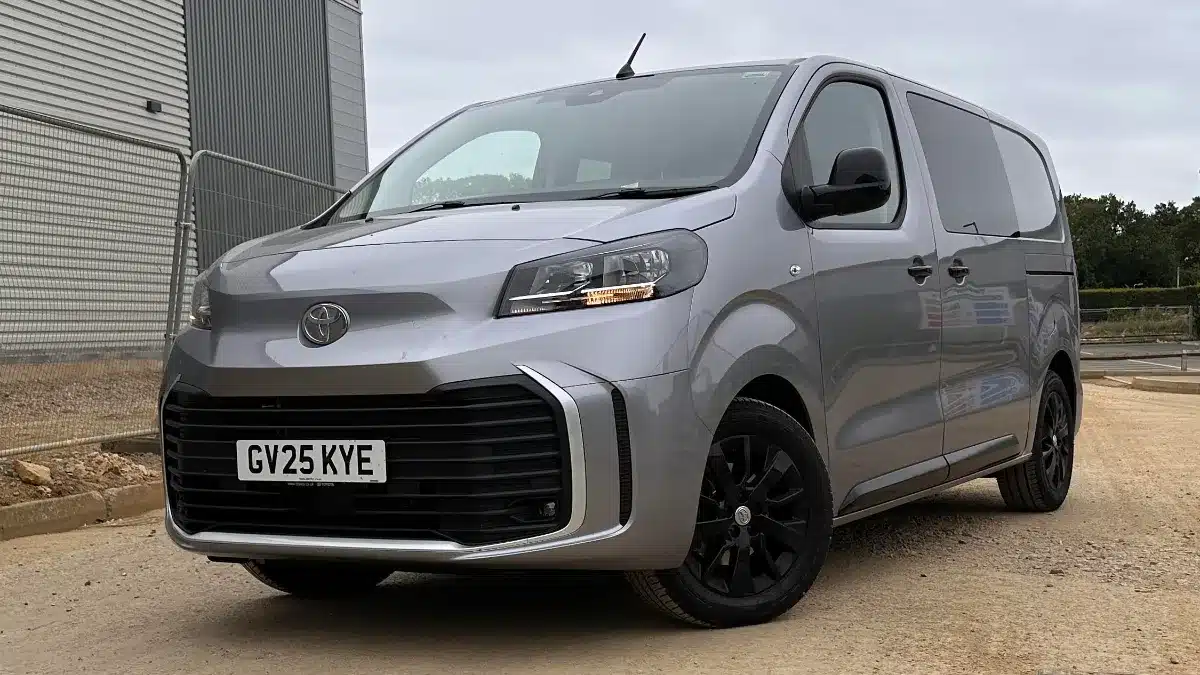
That’s why they’re using the medium electric van and large electric van platforms from Stellantis to create yet another clone of the Citroen Relay, Peugeot Boxer, Fiat Ducato and Vauxhall Movano. The eSuperJolly is already on sale but we’re expecting it to become mainstream in the first part of the year when it will join the Toyota Proace Max as another licensed copy being churned out of the Sevel plant.
The eSuperJolly dimensions will be the same and payload will be up to 1400kg and expect a range of around 250 miles.
Yet another electric van from the Stellantis platform, this time as a medium electric van called the Iveco eJolly.
It’s a rebadged version of the Citroen E-Dispatch, Fiat E-Scudo, Peugeot E-Expert and Vauxhall Vivaro Electric. Expect a range of up to 220 miles and a payload of nearly 1200kg.

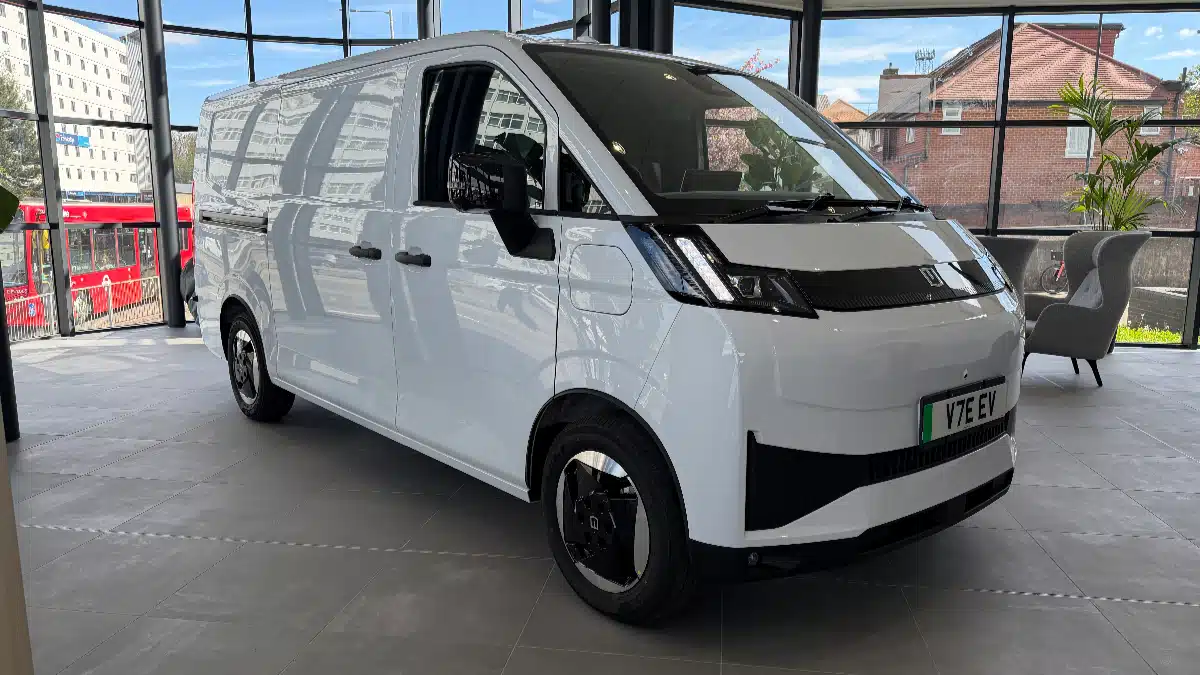
Farizon Auto has only been in the UK for a hot minute, but there’s already plans to bring in a second model. The V7E will be smaller than the Farizon SV, sitting in the range as a dedicated small electric van, rather than the medium to large models that the SV spans.

It will have a load volume of up to 7m3, and a battery range which pushes it close to 300 miles.
The SV line-up will then be updated with a new chassis cab model in 2027, which is another likely candidate for the September IAA trade show.
One has already been announced, the other is highly anticipated, but one thing is for certain the Kia van range will grow in 2026.
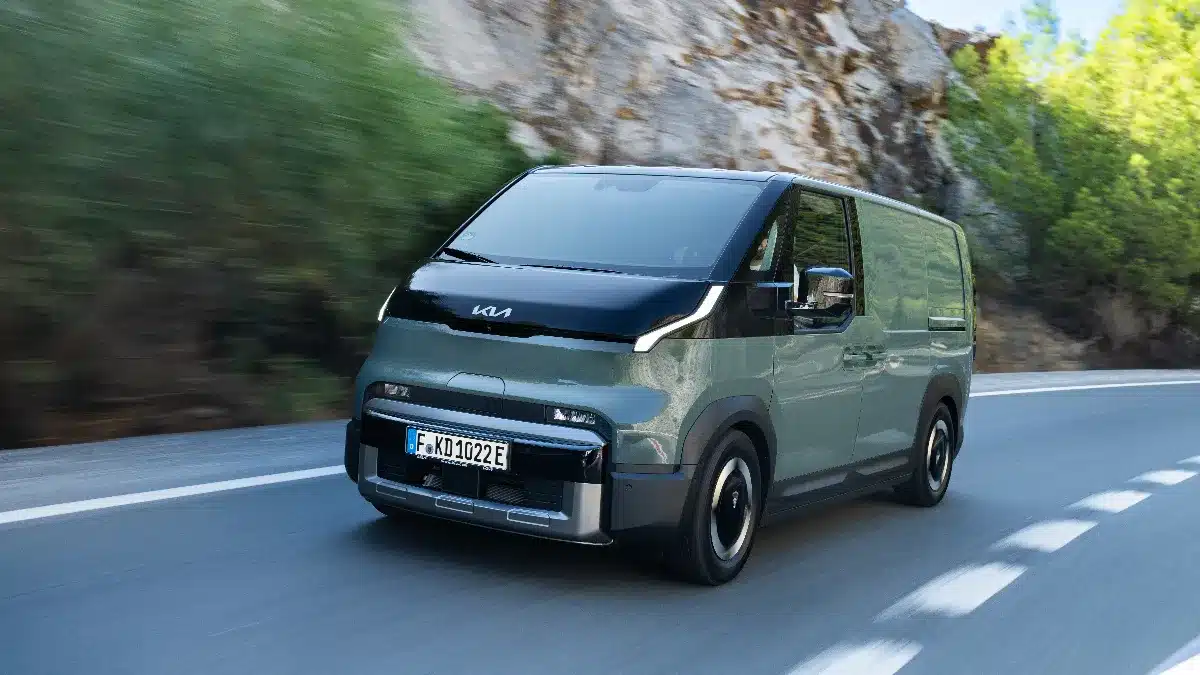
Following the launch of the PV5 Cargo and PV5 Passenger vans, the Chassis cab variant made its debut in November where talk quickly pivoted to the prospect of a PV5 Camper.
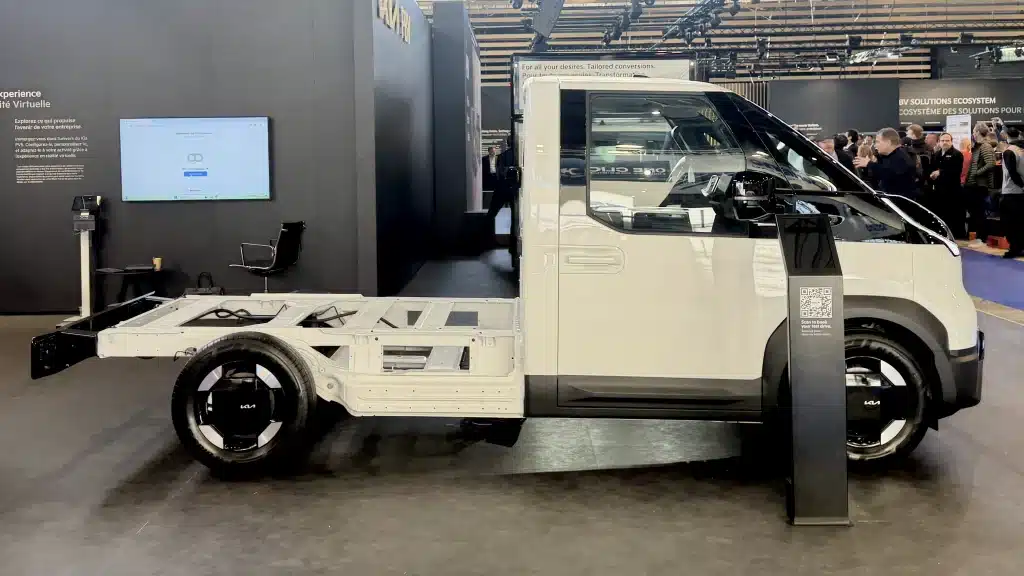
We’ll see increasing numbers of the Cargo and Passenger on the road in 2026 along with some Chassis vans, as well as some likely third party camper conversions. An in-house camper may have to wait until 2027 but then there’s something else expected then too.
It’s been mentioned a few times in the build up to the launch of the PV5, but Kia’s make-or-break moment will actually come when they launch the medium-sized PV7.
According to the timeline Kia has laid out for its PBV (Platform Beyond Vehicle) roll-out the PV7 will come in 2027, followed by a PV9 in 2029.
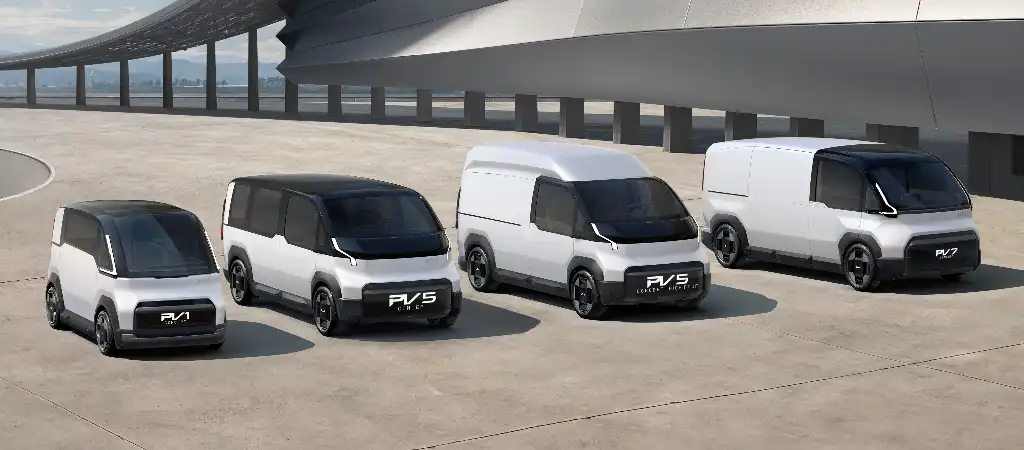
However, with the massive Hannover IAA show coming this year, there’s a high chance we might see a more finished version, or perhaps the real thing, in September.
The size of the Kia PV7 hasn’t been confirmed yet, but it’ll be larger than the PV5 van dimensions and more closely matching the size of a Ford Transit Custom, in other words it is a traditional medium van.
You can never discount an update of sorts to the Stellantis vans, in fact, most of the product range is due an update, so it would be difficult to say which one of the small, medium or large models would get the nod first.
We can also expect some updates to Maxus’ range with the eDeliver 3 the main product set to get a revamp.
What about Ford? Well, there’s been a lot of noise and speculation about Ford, after writing off $19.5bn in the US on their electric vehicle projects. Then there was the announcement of a collaboration with Renault, which would include electric vans. That’s unlikely to see any products coming in 2026, though.
At the very least, I think we can expect a UK tax compliant double-cab pick-up truck version of the Ranger without the rear seats, but we’ll get into all of that another day in our New Pick-Up Trucks for 2026 article.
Not an April Fool's Day update, if you want one of those you can read our Automotive April Fool's Day jokes page.
No, this is an end of Q1 update on what we now know about new vans coming this year.
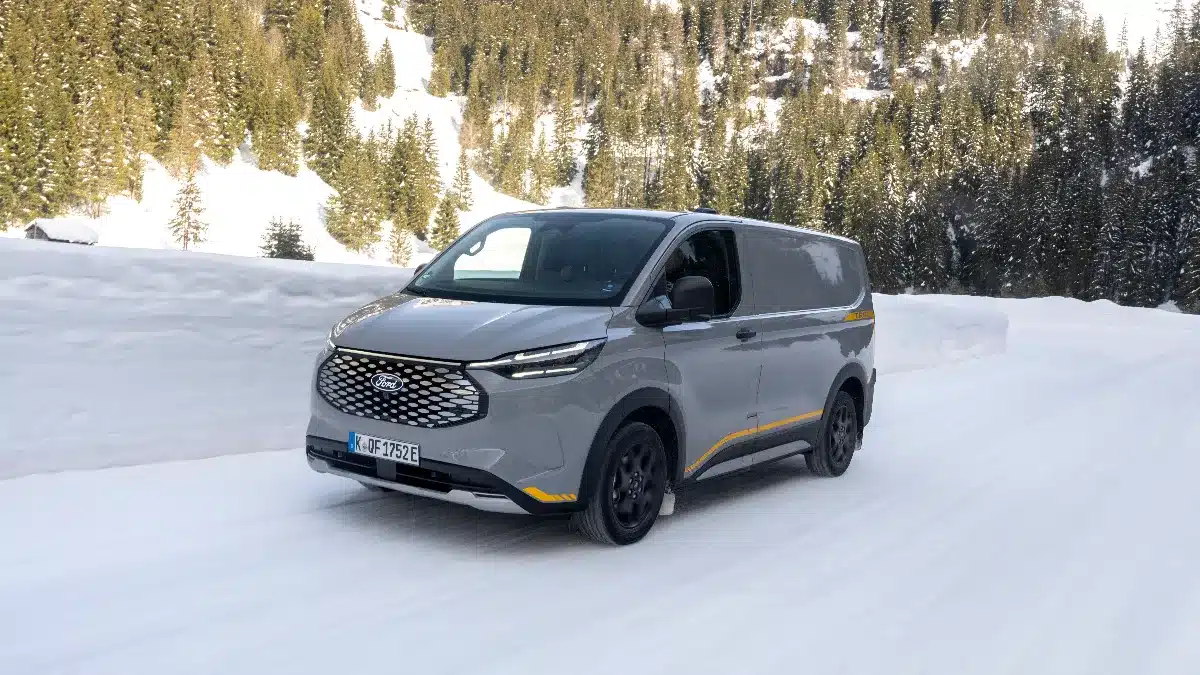
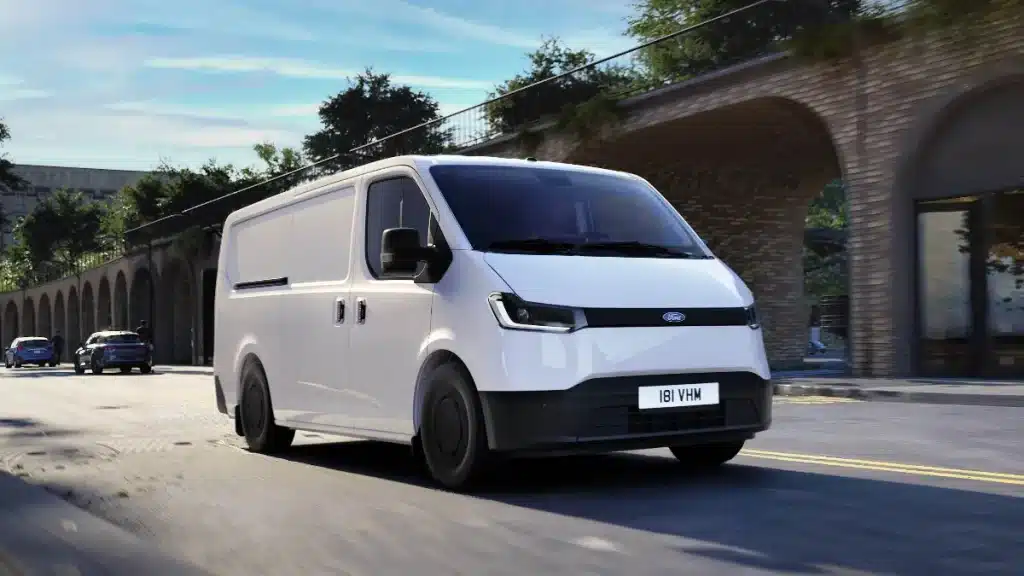
The big shock was the news of the Ford Transit City reveal which took everyone by surprise. The newest name in the Transit range will arrive towards the end of the year, and is an electric only model, made in China by its joint-venture partner JMC.
The Transit City dimensions closely match the Ford Transit Custom for size, making it a proper medium-sized van, but will have a load volume of up to 8.5m3. Transit City will get a range of 158 miles, and will likely come at a price of around £30,000.
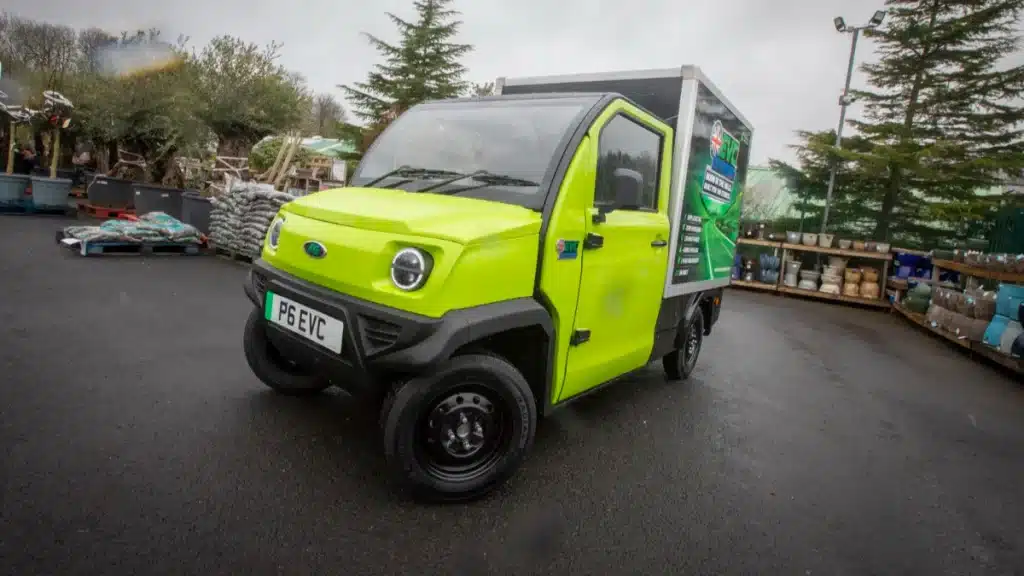
It's a compact urban quadricycle built in Britain, but the EVC CitySprint has some serious load carrying credentials with a payload of up to 600kg.
The CitySprint was launch came at the end of March by the Electric Vehicle Company, revealing that it will come in a range of bodies, including box van, tipper and pick-up and a standard panel van.
Find out more about the EVC CitySprint dimensions.
Measuring 3.7m long and 1.4m wide, it's well suited to city streets, and as an L7e quadricycle it's even fast enough to keep up with traffic, as they're limited to 56mph, rather than an L6 quadricycle's 28mph limit.
Prices for the EVC CitySprint start from just £15k and it's available to order now.
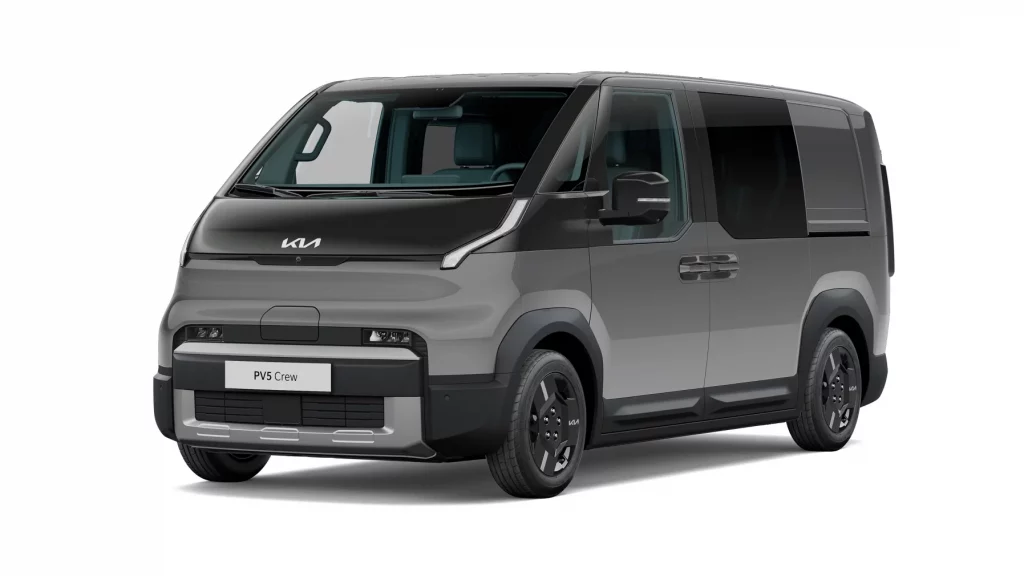
We saw it at the launch of the Kia PV5 at the CV Show in April last year, but the Kia PV5 Crew has officially been annouced as entering production.
It's got a clever lever system to quickly transform it from a five-seater into a Crew van capable of carrying larger loads.
European spec has been announced, and it will start being built at the Kia factory in South Korea at the end of the month. That'll probably mean we'll just about see it by the end of this year, when we can expect the three seat versions of the PV5 Cargo, as well as different seating options for the PV5 Passenger.
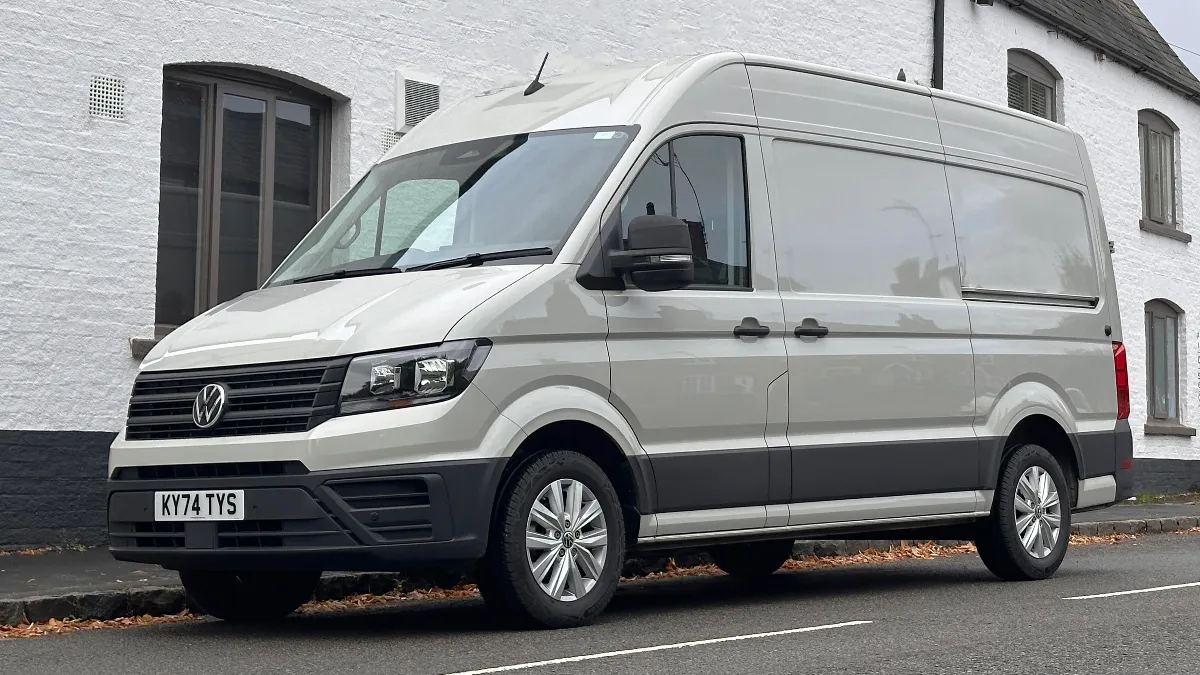
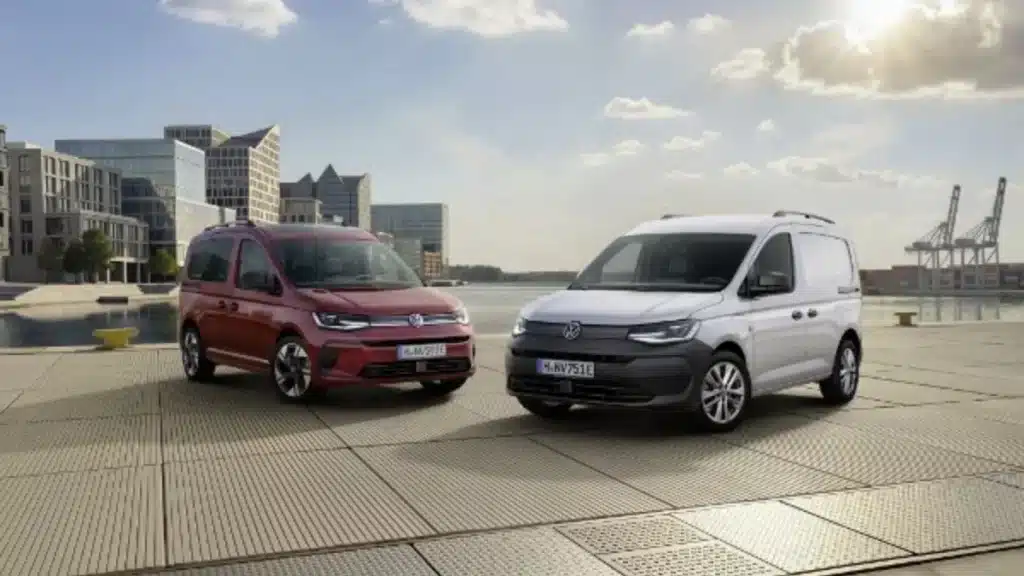
The new-look Caddy gets a restyled front end, fresh paint options and new alloy wheel designs, along with a substantial interior overhaul which Volkswagen has yet to reveal.
Also refreshed is the Multivan people mover, which gets the same front-end redesign.
Both models will go on sale mid-year with deliveries expected to follow shortly after.
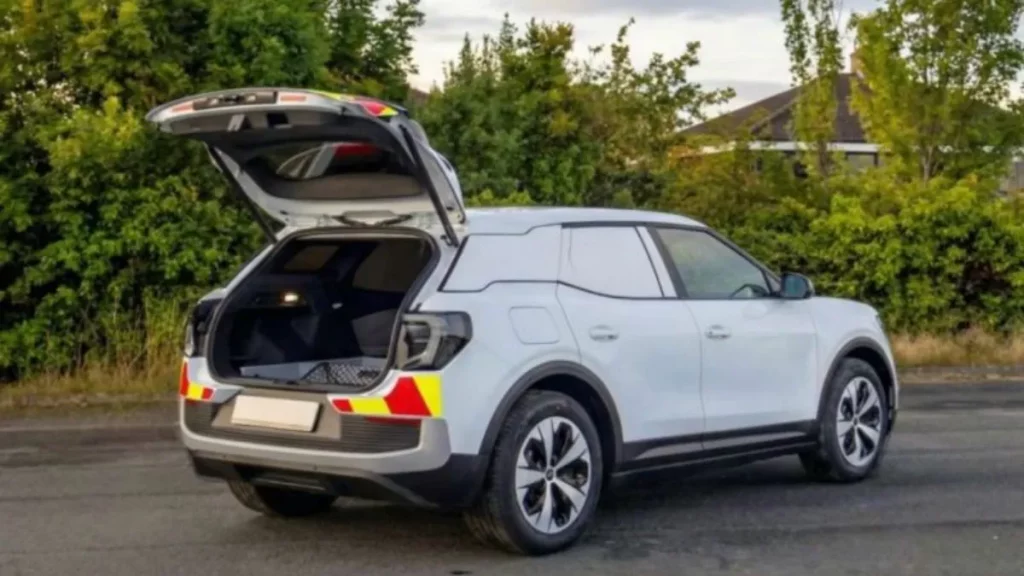
It's not just the Transit City that Ford shocked us with, the Ford Explorer Van surprise came screaming out of left field via a LinkedIn post, only to be officially revealed to the media during an event for the City van.
A conversion of the popular SUV, the Ford Explorer dimensions remain unchanged, but there's no rear seats, opaque windows and a bulkhead to ensure it complies with the N1 classification requirements to turn it into a van.
It's a fleet product at heart, as it was designed specifically for a customer, but it's made it onto the Ford van sales list, so in theory you could probably order one for yourself.
Another one for the fleets, and another one that caught us on the hop. Who'd have thought Volvo is to make a van.
Not just any old van, a van with up to 428hp and four-wheel-drive. The Volvo EX30 Cargo will probably be the fanciest car-derived van on the market, but it's not really destined for public sale.
Like the Skoda Enyaq Cargo fleet van, it's a B2B model for some big customers (who presumably have deep pockets for an posh electric van). We look forward to one-day being able to have a drive though, because it's a suprising little Easter Egg for the van world.
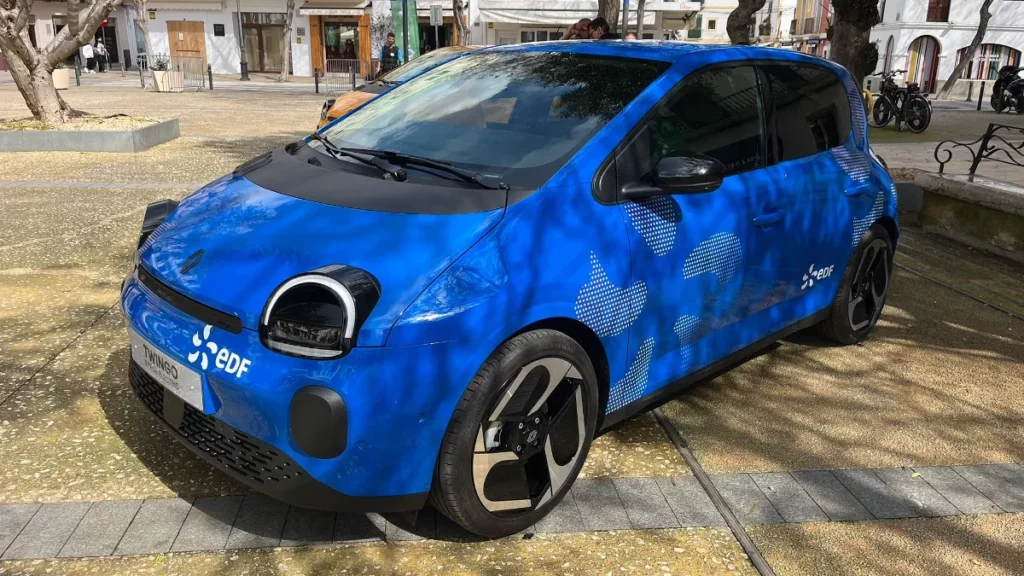
The Renault Twingo has only just come out, but it would seem that as soon as it started rolling off the production lines a clever little side project emerged to make a Twingo Cargo commercial van variant.
We saw the Twingo at a pop-up in Battersea and immediately said the Twingo E-Tech should be a van, but just a few weeks later we got wind of a Twingo Cargo at the launch event.
Whether or not the Twingo commercial van version will actually come to life remains to be seen, but as there's already a Renault 4 van on the way, why not go a little smaller. There's nothing like it in the segment, and with looks like this it's sure to be a hit.